Waterproof Backpacking Tents That Keep You Dry
For most backpackers, the Big Agnes Copper Spur HV UL2 offers the best balance of weight, space, and waterproofing. It handles downpours with a fully taped fly and a high hydrostatic head rating. Its main limitation is a higher price tag.
When you are miles from the trailhead and the sky opens up, your tent is the only thing between you and a miserable night. Waterproofing is not just a feature; it is a necessity. We compared seven of the best waterproof backpacking tents to help you choose one that will keep you dry.
Each tent here has been selected for its proven ability to shed water, resist wind-driven rain, and hold up in stormy conditions. We looked at materials, seam taping, floor construction, and vestibule design. We also considered weight and packed size, because a tent that keeps you dry but is too heavy to carry is not useful.
What we recommend
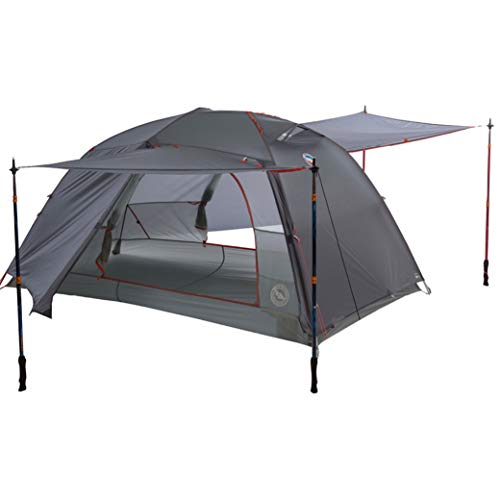
Big Agnes Copper Spur HV UL2
This tent is a favorite among thru-hikers for its low weight and generous interior. It uses a proprietary silicone-treated nylon with a 1,200mm waterproof rating on the fly and a 1,500mm bathtub floor. The fly has taped seams and a drip-resistant cord system.
Pros
- Very light for the space
- Excellent ventilation to reduce condensation
- Fast pitching with color-coded clips
Cons
- Expensive
- Thin floor can puncture without footprint

MSR Hubba Hubba NX 2
The Hubba Hubba NX 2 is known for its rugged build and reliable waterproofing. It features a 20D ripstop nylon fly with a 1,500mm rating and a 20D floor with a 3,000mm rating. The tent has a unique rainfly design that provides excellent coverage.
Pros
- Superior floor waterproofing
- Easy to pitch with two poles
- Two large vestibules for gear storage
Cons
- Heavier than some ultralight options
- Interior condensation can occur in humid conditions

NEMO Dragonfly 2P
The NEMO Dragonfly 2P offers a great compromise between weight and comfort. Its fly is made from 15D silicone-coated nylon with a 1,500mm rating, and the floor is 20D with a 2,000mm rating. The tent features a unique divvy cube for gear organization.
Pros
- Lightweight and freestanding
- Excellent headroom with near-vertical walls
- Packs small
Cons
- Single door limits access
- Fly can flap in strong winds
REI Co-op Quarter Dome SL 2
The Quarter Dome SL 2 from REI is a reliable tent that won’t break the bank. It uses a polyester fly with a 1,200mm rating and a nylon floor with a 1,500mm rating. The tent has a simple pole structure that makes pitching quick.
Pros
- Great price for the feature set
- Two doors and two vestibules
- Good ventilation
Cons
- Not as light as premium options
- Floor seam taping could be better

Marmot Tungsten UL 2P
The Marmot Tungsten UL 2P is a palace for two backpackers. It has a 68.9 square feet interior and a 1,500mm waterproof fly. The floor is a 2,000mm bathtub construction. It uses a DAC featherlite pole system for strength.
Pros
- Very roomy with two large doors
- High waterproof ratings
- Durable floor
Cons
- Heavier than many competitors
- Packed size is a bit large

MSR Carbon Reflex 2
The MSR Carbon Reflex 2 is one of the lightest freestanding tents on the market. It weighs just 2 lbs 5 oz. The fly is made of 10D nylon with a 1,200mm rating, and the floor is 20D nylon with a 2,500mm rating. It does not compromise on waterproofing for weight.
Pros
- Extremely light
- Compact packed size
- Good water resistance for weight
Cons
- Very thin materials require careful handling
- Small interior for two people
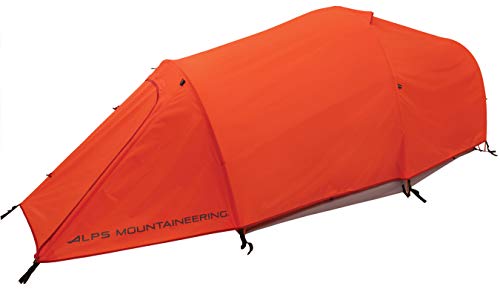
ALPS Mountaineering Tasmanian 2
The ALPS Mountaineering Tasmanian 2 is a durable tent that is more suited for short backpacking trips. It has a 75D polyester fly with a 1,500mm rating and a 150D polyester floor with a 2,000mm rating. It is heavy but offers excellent waterproofing.
Pros
- Very affordable
- Extremely durable materials
- High waterproof ratings
Cons
- Too heavy for serious backpacking
- Large packed size
What matters most
How they compare
| # | Model | Capacity | Best for | Score | Price |
|---|---|---|---|---|---|
| 1 | Big Agnes Copper Spur HV UL2 | 2 person | Ultralight backpackers who want premium space | 9.4 | Check price |
| 2 | MSR Hubba Hubba NX 2 | 2 person | All-season backpacking in wet climates | 9.2 | Check price |
| 3 | NEMO Dragonfly 2P | 2 person | Backpackers who want a lightweight freestanding tent | 9.0 | Check price |
| 4 | REI Co-op Quarter Dome SL 2 | 2 person | Budget-conscious backpackers who want quality | 8.8 | Check price |
| 5 | Marmot Tungsten UL 2P | 2 person | Campers who want a spacious interior | 8.6 | Check price |
| 6 | MSR Carbon Reflex 2 | 2 person | Weight-obsessed backpackers | 8.4 | Check price |
| 7 | ALPS Mountaineering Tasmanian 2 | 2 person | Car campers and occasional backpackers | 8.2 | Check price |
Questions worth asking
What is a good waterproof rating for a tent?
For the fly, a rating of 1,200mm is adequate for moderate rain, but 1,500mm or higher is better for heavy downpours. For the floor, look for at least 1,500mm, with 2,000mm or more for extra peace of mind.
Do I need to seam seal a new tent?
Many tents come with factory-taped seams, especially those with polyurethane coatings. However, some lightweight tents with silicone-coated flys require seam sealing. Check the manufacturer’s instructions. If you are not sure, it is wise to seam seal all critical seams yourself.
How do I maintain my tent’s waterproofing?
Keep the tent clean and dry before storing. Over time, the waterproof coating can degrade. You can reapply a waterproofing treatment to the fly and floor. Also, use a groundsheet to protect the floor from punctures.
Can I use a tent without a rainfly in the rain?
No, the rainfly is essential for waterproofing. The inner tent is typically made of breathable mesh or thin fabric that is not waterproof. Always pitch the fly when there is any chance of rain.
What is the difference between waterproof and water-resistant?
Waterproof means the fabric has a coating that prevents water from passing through under pressure, like a hydrostatic head rating. Water-resistant means the fabric will repel light moisture but will eventually soak through in heavy rain.
Are freestanding tents more waterproof than non-freestanding?
Freestanding tents are not inherently more waterproof. Waterproofing depends on materials and construction. Non-freestanding tents can be just as waterproof if they have a good fly and sealed seams, but they rely on stakes for support.
How important is ventilation for waterproofing?
Ventilation is crucial to reduce condensation inside the tent. Even if a tent keeps rain out, condensation can make the inside wet. Look for vents and mesh panels that can be opened to increase airflow.
Can I use a footprint with my tent?
Yes, a footprint protects the floor from abrasion and punctures, which can compromise waterproofing. Some tents include a footprint or have a matching one available for purchase.
What is the best tent for heavy rain?
Tents with a full-coverage rainfly and high waterproof ratings on both fly and floor are best for heavy rain. The MSR Hubba Hubba NX 2 and Big Agnes Copper Spur HV UL2 are excellent choices.
How do I choose the right size tent?
Consider the number of people and gear. A 2-person tent is ideal for solo backpackers who want extra space or for couples who want to sleep side by side. For more comfort, choose a tent with vestibules for gear.
The bottom line
For most backpackers, the Big Agnes Copper Spur HV UL2 is the best all-around choice. It offers a rare combination of low weight, high waterproofing, and livable space. If you are on a tight budget, the ALPS Mountaineering Tasmanian 2 is a solid pick, but its weight makes it better for short trips or car camping. For those who prioritize extreme weight savings, the MSR Carbon Reflex 2 is the way to go, but be prepared to handle it with care.
Derek Holt
Derek has a background coaching recreational and amateur athletes and has worked the sales floor at specialty fitness retailers. He focuses on equipment durability, ergonomics and realistic use cases rather than marketing claims.


