How Shell-Free Bird Seed Keeps Patios Free of Husks
Wagner’s Four Season No-Mess Wild Bird Food leads with shell-free hulled seed that stops sprouted husks from piling up under feeders. Kaytee Wild Bird Food No Waste Blend delivers similar mess-free feeding at a lower cost per pound. Audubon Park No Mess Blend suits owners feeding smaller flocks on a tighter budget.
Wagner’s Four Season No-Mess Wild Bird Food takes the top spot for backyard feeders tired of daily sweeping. Shell-free hulled seed works well in mixed songbird feeders, though it costs more per pound than blends with hulls intact.
Seed ratios, hull removal methods, and target species vary enough by brand that picking a no-mess blend gets confusing fast. We compared ingredient lists, bag sizes, and species-specific formulations from current Amazon listings to rank these seven options.
Before you buy
What Makes Bird Seed ‘No-Mess’ or Shell-Free So-called no-mess bird food refers to seed with the outer hull already stripped before bagging. Manufacturers remove sunflower and millet shells during processing, not after birds crack them. That step stops husks from piling up under feeders and staining patios or decks. Sprouted hulls also draw weeds and rodents, a problem shell-free blends mostly avoid.
How Much Cleanup Time Shell-Free Seed Actually Saves Standard black oil sunflower drops a shell every time a bird cracks one open, and those shells turn moldy on concrete or wood over weeks. Wagner’s Four Season and Kaytee No Waste Blend skip that step by removing hulls before packaging. Cleanup shrinks to occasional sweeping of whole dropped seeds rather than daily raking. Households running several feeders notice the difference fastest, since husk volume scales with bird traffic.
Picking Seed for Cardinals, Finches, and Mixed Flocks Cardinals and grosbeaks favor sunflower hearts and safflower, the base of Pennington Select. Finches need Nyjer thistle, which requires a dedicated mesh feeder like the one paired with Kaytee’s thistle blend. General mixed feeders do best with a hulled sunflower and millet combination, since that spread covers sparrows, chickadees, and doves at once.
When to Switch to Bulk Bags or Suet Cakes Households running multiple feeder stations often move to a 40 pound bag like Wagner’s Deluxe Blend to cut the per pound cost. Suet cakes solve a different problem, since they bind seed, nuts, and fat into a block so nothing scatters on the ground. Woodpeckers and nuthatches that ignore tube feeders frequently visit suet cages instead.
The top picks, ranked

Wagner’s Four Season No-Mess Wild Bird Food
This blend mixes hulled sunflower, white millet, and cracked corn with shells already removed. Owners report almost no husk buildup under feeder poles. Cardinals, finches, and chickadees visit it across most US regions.
Pros
- No hulls to sweep or rake up
- Works in tube, hopper, and platform feeders
- Attracts a wide range of common backyard birds
Cons
- Costs more per pound than seed with shells
- Spoils faster than shelled seed in humid climates if left wet
Kaytee Wild Bird Food No Waste Blend
Kaytee’s no waste formula combines shelled sunflower chips, millet, and peanut pieces. Black oil sunflower shells never make it into the bag. Resealable packaging guards the mix against moisture during storage.
Pros
- Resealable packaging keeps seed fresh
- Smaller pieces work in narrow feeder ports
- Priced lower than premium no-mess blends
Cons
- Offers less seed variety than four season mixes
- Peanut pieces may not suit households avoiding peanut products

Audubon Park No Mess Blend Wild Bird Food
Audubon Park pairs hulled sunflower with white proso millet in a large bag built for everyday backyard feeding. The formula skips filler seeds like milo that birds often kick out. Cardinals, sparrows, finches, and doves all feed from it.
Pros
- Large bag lowers cost per feeding season
- No milo or wheat filler seed to discard
- Widely available at big box and online retailers
Cons
- Offers fewer seed varieties than premium blends
- Bag lacks a resealable closure

Pennington Select No Mess Wild Bird Seed
Pennington Select combines sunflower hearts, chips, and safflower without shells. Safflower content appeals to cardinals while discouraging squirrels and grackles. Larger feeder ports on tube models fit this blend well.
Pros
- Safflower helps deter squirrels from feeders
- High sunflower heart content favors larger songbirds
- Works well in platform and hopper feeders
Cons
- Safflower taste appeals less to some species
- Costs more than blends using millet as filler

Kaytee Nyjer Thistle Seed Wild Bird Food
This single seed Nyjer formula targets finches, siskins, and redpolls. Small seed size requires a mesh or tube finch feeder with tiny ports. Kaytee sterilizes the seed to cut down on weed sprouting near feeders.
Pros
- Sterilization limits sprouted seedlings below feeders
- Strongly attracts goldfinches and pine siskins
- Fine texture suits dedicated thistle feeders
Cons
- Only attracts finch family species, not general songbirds
- Requires a specialized feeder with small ports

Wagner’s Deluxe Blend Wild Bird Food
Wagner’s Deluxe Blend ships in a 40 pound bag for households running multiple feeders. Black oil sunflower, white millet, and cracked corn make up the mix, with shells intact on the sunflower. Owners report it lasts weeks even under heavy bird traffic.
Pros
- Bulk size cuts cost for multi feeder households
- Attracts a broad mix of common backyard species
- Bag resists tearing during storage and transport
Cons
- Shell debris from sunflower still needs occasional sweeping
- Bulky bag needs a dry storage container
Wagner’s Greatest Variety Blend Suet Cakes
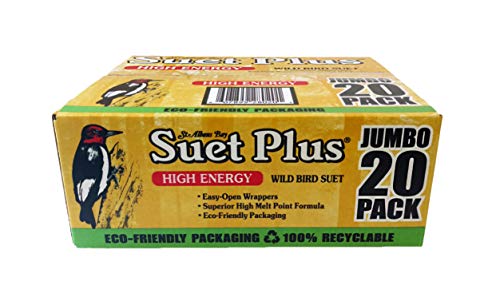
These suet cakes pack seeds, nuts, and fruit into a rendered fat block instead of loose seed. Birds peck straight from the cake, leaving no scattered hulls on the ground. Each pack holds multiple cakes sized for standard suet feeder cages.
Pros
- Eliminates ground scatter compared to loose seed
- Attracts insect eating species that ignore seed feeders
- Simple to swap into any standard suet cage
Cons
- Requires a separate suet feeder, not compatible with seed feeders
- Can soften or melt in hot summer weather
Compared at a glance
| # | Model | Bag size | Best for | Score | Price |
|---|---|---|---|---|---|
| 1 | Wagner’s Four Season No-Mess Wild Bird Food | 20 lb | Best overall | 9.4 | Check price |
| 2 | Kaytee Wild Bird Food No Waste Blend | 10 lb, 20 lb options | Best value | 9.1 | Check price |
| 3 | Audubon Park No Mess Blend Wild Bird Food | 27 lb | Best budget | 8.8 | Check price |
| 4 | Pennington Select No Mess Wild Bird Seed | 10 lb, 20 lb options | Best for cardinals and large birds | 8.5 | Check price |
| 5 | Kaytee Nyjer Thistle Seed Wild Bird Food | 5 lb, 8 lb options | Best for finches | 8.3 | Check price |
| 6 | Wagner’s Deluxe Blend Wild Bird Food | 40 lb | Best bulk bag for frequent feeders | 8.1 | Check price |
| 7 | Wagner’s Greatest Variety Blend Suet Cakes | 11.75 oz cakes, multi-pack | Best suet alternative | 8.0 | Check price |
Good to know
What is no-mess bird seed made of?
No-mess blends use hulled sunflower chips or hearts, white millet, and sometimes cracked corn with shells already removed. Manufacturers process the seed before bagging so no husk remains for birds to crack and drop.
Does shell-free bird seed really stop weeds and sprouts?
Hulled seed and sterilized Nyjer both reduce sprouting since the seed cannot germinate once processed. Whole seeds that fall uneaten can still sprout occasionally, but far less than seed with intact hulls.
Can I mix no-mess seed with regular birdseed?
Yes, mixing is common and does not harm birds. Combining a no-mess blend with a standard hulled mix can stretch a bag further, though it slightly increases the amount of hull debris under the feeder.
Which no-mess blend attracts the most cardinals?
Pennington Select No Mess Wild Bird Seed leans on sunflower hearts and safflower, both favorites for cardinals and grosbeaks. Wagner’s Four Season also draws cardinals thanks to its hulled sunflower content.
Is Nyjer thistle the same as no-mess seed?
Nyjer thistle counts as a no-mess option because it is small, sterilized, and produces minimal hull waste. It differs from general no-mess blends because it targets finches specifically rather than mixed backyard species.
How much no-mess bird seed should I buy for one feeder?
A single tube feeder used daily typically empties a 10 to 20 pound bag within four to six weeks, depending on bird traffic. Households running multiple feeders often move to a 40 pound bulk bag instead.
Are suet cakes messier than loose seed blends?
Suet cakes are generally cleaner since birds peck directly from a solid block rather than scattering loose seed. The main mess risk comes from melting in hot weather, which can drip below the feeder.
No-mess vs regular wild bird seed, which is worth the extra cost?
No-mess blends cost more per pound but save time on cleanup and reduce weed sprouts below feeders. Regular seed with shells works fine for owners who do not mind occasional raking and lower upfront cost.
What bird seed works best for a small patio feeder?
A shell-free blend like Kaytee No Waste Blend suits a small patio feeder since smaller pieces pass through narrow ports without clogging. Bulk 40 pound bags make more sense for yards running several feeder stations at once.
The bottom line
Wagner’s Four Season No-Mess Wild Bird Food earns the top spot for its shell-free hulled mix that suits nearly any backyard feeder setup. Owners feeding mostly finches should choose Kaytee Nyjer Thistle Seed instead, since general blends do not fit thistle feeders. Anyone running several feeder stations gets better value from the 40 pound Wagner’s Deluxe Blend, though budget-focused buyers with one feeder should start with Audubon Park instead.
Olivia Hartley
Olivia spent several years working at an animal shelter and a pet-supply retailer before joining the editorial team. She researches pet gear with an emphasis on safety, comfort and the fine print that owners often miss.