Top Variable Speed Belt Sanders for Every Workshop
The top pick is the Makita 9903, ideal for woodworkers who need a reliable 3×21 sander with variable speed and dust collection. Its main advantage is consistent power and smooth speed control. A limitation is its heavier weight, which can cause fatigue during extended use.
Variable speed belt sanders offer control that fixed speed models lack. They let you adjust the belt speed to match the material and task, reducing heat buildup and preventing gouging.
Whether you are a professional or a hobbyist, the right variable speed belt sander makes a difference. We compared specifications and user reviews to find the best options.
Before you buy
What we recommend

Makita 9903 3-1/4 HP Variable Speed Belt Sander
The Makita 9903 is a workhorse with a 3-1/4 HP motor. It offers variable speed from 690 to 1,440 FPM. Users appreciate its smooth tracking and effective dust collection.
Pros
- Powerful motor
- Excellent dust collection
- Variable speed allows versatility
Cons
- Heavier than some rivals
- Price is higher

DeWALT DWE6401 3 x 21 Variable Speed Belt Sander
The DWE6401 has a 10-amp motor and speed range of 750 to 1,200 FPM. Its rubberized grip and low vibration design reduce fatigue. Owners report easy belt changes.
Pros
- Comfortable grip
- Low vibration
- Tool-free belt change
Cons
- Dust bag is small
- No on-board storage

Bosch 1276DVS 120-Volt Variable Speed Belt Sander
The Bosch 1276DVS is compact and lightweight at 6.8 lbs. It has a 6.0-amp motor and variable speed from 500 to 1,150 FPM. Its unique front grip allows one-handed control.
Pros
- Very lightweight
- One-handed operation
- Good speed control
Cons
- Less powerful
- Dust collection is average

Porter-Cable 352VS Variable Speed Belt Sander
The Porter-Cable 352VS offers a 7.5-amp motor and variable speed from 700 to 1,200 FPM. It includes a dust bag and is built with a durable aluminum frame. It is a solid choice for occasional use.
Pros
- Affordable
- Durable construction
- Variable speed
Cons
- No dust collection port
- Heavier weight
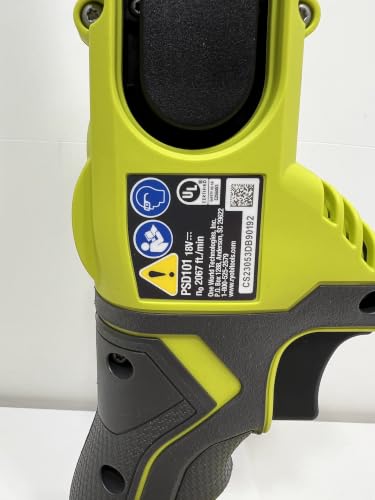
Ryobi EBS800V Variable Speed Belt Sander
The Ryobi EBS800V is lightweight at 5.5 lbs and has a 6-amp motor. It features variable speed from 500 to 1,000 FPM. It is easy to handle but less powerful for heavy jobs.
Pros
- Very light
- Compact size
- Simple to use
Cons
- Smaller belt size
- Limited power

Wen 6502 2.5-Amp Variable Speed Belt Sander
The Wen 6502 is a 1×18 inch belt sander with a 2.5-amp motor. Its speed ranges from 650 to 1,000 FPM. It is ideal for corners and small surfaces but not for large areas.
Pros
- Compact and lightweight
- Good for detail work
- Affordable
Cons
- Very narrow belt
- Low power

SKIL 7510-01 3 x 18 Variable Speed Belt Sander
The SKIL 7510-01 is a 3×18 belt sander with a 6-amp motor. It offers variable speed from 700 to 1,100 FPM. Its compact design makes it easy to carry and store.
Pros
- Compact and portable
- Variable speed
- Decent power
Cons
- No dust collection port
- Tracking can be finicky
The lineup, side by side
| # | Model | Motor Power | Best for | Score | Price |
|---|---|---|---|---|---|
| 1 | Makita 9903 3-1/4 HP Variable Speed Belt Sander | 3-1/4 HP | Heavy duty sanding with precise speed control | 9.4 | Check price |
| 2 | DeWALT DWE6401 3 x 21 Variable Speed Belt Sander | 10 Amp | Comfortable handling and low vibration | 9.2 | Check price |
| 3 | Bosch 1276DVS 120-Volt Variable Speed Belt Sander | 6.0 Amp | One-handed operation and precision | 9.0 | Check price |
| 4 | Porter-Cable 352VS Variable Speed Belt Sander | 7.5 Amp | Budget-conscious DIYers | 8.7 | Check price |
| 5 | Ryobi EBS800V Variable Speed Belt Sander | 6 Amp | Basic sanding tasks in a compact design | 8.4 | Check price |
| 6 | Wen 6502 2.5-Amp Variable Speed Belt Sander | 2.5 Amp | Small projects and tight spaces | 8.2 | Check price |
| 7 | SKIL 7510-01 3 x 18 Variable Speed Belt Sander | 6 Amp | Portability and ease of use | 8.0 | Check price |
Common questions
What is the advantage of a variable speed belt sander?
A variable speed belt sander lets you adjust the belt speed to match the material. This prevents overheating and allows for finer control. It is useful for different sanding tasks.
What belt size should I choose?
3×21 inch belts are more common and offer a good balance of speed and control. 3×18 inch belts are lighter and more maneuverable. 1×18 inch belts are for detail work. Choose based on the scale of your projects.
How do I change the belt on a belt sander?
Most belt sanders have a lever or knob to release tension. You slide the old belt off and slide a new one on. Then adjust the tracking knob to center the belt. Always unplug the sander before changing belts.
Can I use a belt sander for sanding wood only?
Belt sanders are versatile. They can work on wood, metal, plastic, and painted surfaces. Use the appropriate grit and speed for the material. For metal, use a slower speed to avoid heat buildup.
What safety gear should I wear when using a belt sander?
Always wear safety glasses to protect your eyes from dust and debris. Use a dust mask or respirator to avoid inhaling particles. Ear protection is also recommended because belt sanders can be loud.
How do I maintain a belt sander?
Keep the tool clean and free of dust. Check the belt for wear and replace it when dull. Lubricate moving parts as instructed in the manual. Store in a dry place to prevent rust.
What is the best grit for a belt sander?
Coarse grits like 40 or 60 are for aggressive material removal. Medium grits like 80 or 100 are for smoothing. Fine grits like 120 or 150 are for finishing. Always sand with the grain for best results.
Can I use a variable speed belt sander for polishing?
Yes, you can use a belt sander with a fine grit belt or a polishing attachment to polish metals. Set the speed low to avoid damaging the surface. The variable speed feature makes this possible.
Why does my belt sander leave marks?
Marks can occur if the sander is not held flat or if you press too hard. Also, the belt may be worn or misaligned. Sand with a light touch and let the tool do the work. Use a consistent direction.
What is the difference between a belt sander and an orbital sander?
A belt sander removes material fast with a continuous loop of sandpaper. An orbital sander uses a vibrating pad for a smoother finish. Belt sanders are for heavy stock removal, while orbital sanders are for finishing.
The verdict
For most users, the Makita 9903 is the best choice. It offers the power and speed control needed for serious sanding. If you need a lighter tool for occasional use, consider the Bosch 1276DVS. Always prioritize comfort and safety.
Jake Monroe
Jake worked as a residential contractor for over a decade before shifting to full-time writing. He evaluates power tools, hand tools and workshop gear through the lens of someone who has actually used them on job sites, not just read the box.