Top Gaming TVs for PS5 and Xbox in 2025
For PS5 and Xbox Series X, the LG C4 OLED is the top pick because it delivers perfect blacks, infinite contrast, and four HDMI 2.1 ports, making it ideal for gamers who want the best picture quality. Its main limitation is the risk of burn-in, though modern OLEDs mitigate it. If you prefer a brighter room, the Samsung QN90D is a strong alternative.
Next-gen consoles like PS5 and Xbox Series X can output 4K at 120Hz with HDR and VRR, but only if your TV supports those features. Finding a TV that truly unlocks that potential requires specific specs: HDMI 2.1 ports, low input lag, and a fast panel.
We compared seven of the most popular gaming TVs on Amazon, focusing on their gaming capabilities. From OLED to QLED, there is a perfect match for every budget and room lighting. Here are our top picks.
Before you buy
The best picks, ranked

LG C4 55-Inch OLED evo 4K TV
The LG C4 is a top-tier OLED that excels for gaming. It supports 4K at 120Hz, VRR, and ALLM on all four HDMI ports. Its self-lit pixels deliver perfect blacks and vibrant colors, making games look stunning. Owners report minimal input lag and a smooth gaming experience.
Pros
- Perfect black levels and infinite contrast
- Four HDMI 2.1 ports for multiple consoles
- Excellent input lag and response time
Cons
- Risk of burn-in with static elements
- Not as bright as high-end QLEDs in bright rooms

Samsung 55-Inch QN90D Neo QLED 4K TV
The Samsung QN90D is a Neo QLED with Mini LED backlighting, offering high brightness and excellent anti-glare. It supports 4K at 144Hz, VRR, and ALLM, making it perfect for both PS5 and Xbox. Its quantum dot technology produces vivid colors, and it has low input lag for competitive gaming.
Pros
- Very bright, great for well-lit rooms
- Excellent reflection handling
- 144Hz refresh rate for future-proofing
Cons
- No Dolby Vision support
- More expensive than some competitors

Sony 55-Inch BRAVIA XR A80L OLED 4K TV
Sony’s A80L OLED is a fantastic choice for PS5 owners, featuring exclusive features like Auto HDR Tone Mapping and a dedicated game menu. It delivers accurate colors and deep blacks, and its XR processor enhances detail. It supports 4K 120Hz, VRR, and ALLM, though it lacks 144Hz support.
Pros
- Perfect PS5 integration with exclusive features
- Superb picture quality for HDR games
- Excellent motion handling
Cons
- Only two HDMI 2.1 ports
- Not as bright as QLED models

TCL 55-Inch QM8 QLED Mini LED 4K TV
The TCL QM8 is a budget-friendly Mini LED TV that offers impressive brightness and contrast for the price. It supports 4K at 120Hz, VRR, ALLM, and includes two HDMI 2.1 ports. It is a great choice for gamers wanting a big picture without a huge investment.
Pros
- Excellent brightness and contrast for the price
- Supports all key gaming features
- Great value for money
Cons
- Upscaling of lower resolution content is average
- Viewing angles are not as wide as OLED

Hisense 55-Inch U8 Series Mini LED 4K TV
The Hisense U8 is another Mini LED TV that punches above its weight, offering high brightness and a 144Hz refresh rate. It has two HDMI 2.1 ports, supports VRR and ALLM, and features a good gaming mode with low input lag. It is a strong alternative to TCL.
Pros
- Very bright HDR performance
- High refresh rate for gaming
- Competitive price
Cons
- Operating system can be sluggish at times
- Color accuracy out of the box needs adjustment
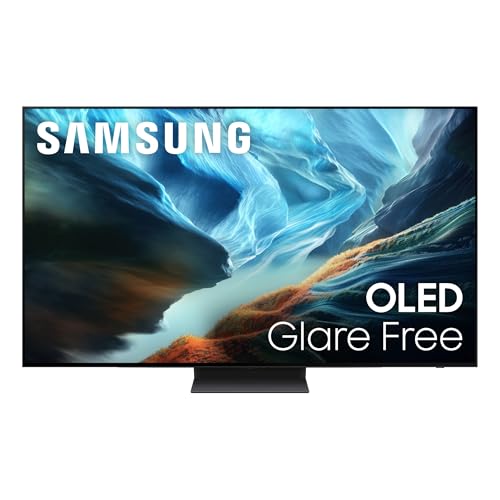
Samsung 55-Inch S90C OLED 4K TV
The Samsung S90C is a QD-OLED TV that delivers brighter and more colorful images than traditional OLEDs. It supports 4K at 144Hz, VRR, and ALLM, with four HDMI 2.1 ports. Gamers enjoy its fast response time and low input lag, though it lacks Dolby Vision.
Pros
- Brilliant colors and brightness
- Four HDMI 2.1 ports
- Great for gaming and watching sports
Cons
- No Dolby Vision support
- Potential for burn-in like all OLEDs
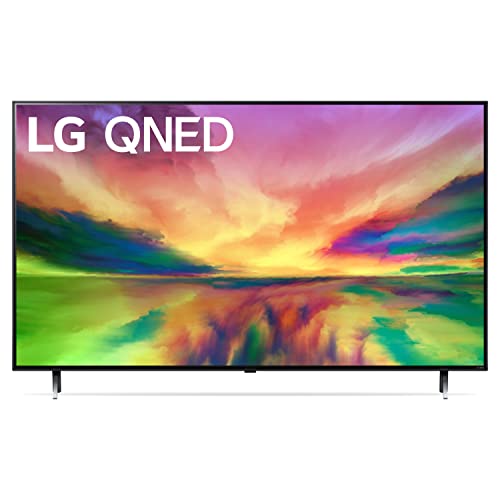
LG 55-Inch QNED80 4K TV
The LG QNED80 is an entry-level QNED TV that still offers solid gaming features: 4K at 120Hz, VRR, and ALLM. It has one HDMI 2.1 port, which is enough for a single console. It is a good choice for budget-conscious gamers who want a reliable TV without breaking the bank.
Pros
- Affordable price
- Supports 120Hz and VRR
- Good overall performance
Cons
- Only one HDMI 2.1 port
- Limited brightness and contrast compared to higher-end models
Compared at a glance
| # | Model | Display Type | Best for | Score | Price |
|---|---|---|---|---|---|
| 1 | LG C4 55-Inch OLED evo 4K TV | OLED evo | Best overall OLED for gaming | 9.4 | Check price |
| 2 | Samsung 55-Inch QN90D Neo QLED 4K TV | Neo QLED | Best for bright rooms | 9.2 | Check price |
| 3 | Sony 55-Inch BRAVIA XR A80L OLED 4K TV | OLED | Best for PS5 features | 9.1 | Check price |
| 4 | TCL 55-Inch QM8 QLED Mini LED 4K TV | QLED Mini LED | Best value Mini LED | 8.9 | Check price |
| 5 | Hisense 55-Inch U8 Series Mini LED 4K TV | Mini LED | Best under current price | 8.7 | Check price |
| 6 | Samsung 55-Inch S90C OLED 4K TV | QD-OLED | Best for color volume | 8.6 | Check price |
| 7 | LG 55-Inch QNED80 4K TV | QNED | Best entry-level gaming TV | 8.0 | Check price |
Frequently asked questions
What is HDMI 2.1 and why is it important for gaming?
HDMI 2.1 is the latest HDMI standard that supports higher bandwidth, enabling features like 4K at 120Hz, Variable Refresh Rate (VRR), Auto Low Latency Mode (ALLM), and enhanced Audio Return Channel (eARC). These features are crucial for next-gen consoles to deliver smooth, responsive gaming with high frame rates.
Is OLED or QLED better for gaming?
Both have pros and cons. OLED offers perfect blacks, infinite contrast, and fast response times, ideal for dark rooms and HDR gaming. QLED, especially Mini LED, gets brighter and has no burn-in risk, making it better for bright rooms. Your choice depends on room lighting and personal preference.
Do I need a 120Hz TV for PS5 or Xbox?
Yes, if you want to take advantage of games that support 120 frames per second. Many competitive shooters like Call of Duty and Fortnite offer 120fps modes. A 120Hz TV will display these games more smoothly. However, not all games run at 120fps, so it is not a strict requirement for every gamer.
What is VRR and how does it affect gaming?
VRR (Variable Refresh Rate) dynamically adjusts the TV’s refresh rate to match the console’s output, eliminating screen tearing and stuttering. It provides a smoother gaming experience, especially in games with fluctuating frame rates. Look for HDMI VRR, FreeSync, or G-Sync support.
How many HDMI 2.1 ports do I need?
If you own both a PS5 and an Xbox Series X, you will need at least two HDMI 2.1 ports to connect both simultaneously. Some TVs, like the LG C4, have four, allowing you to also connect a soundbar or streaming device. Consider your setup before purchasing.
What is the ideal input lag for gaming TVs?
For competitive gaming, look for input lag below 20 milliseconds. Most modern TVs in gaming mode achieve this. Lower input lag means less delay between your controller action and the on-screen response, which is critical for fast-paced games.
Can I use a gaming monitor instead of a TV?
Yes, gaming monitors often have even lower input lag and higher refresh rates, but they are typically smaller and less suitable for large screen viewing. TVs offer bigger screens and better HDR, making them a popular choice for console gamers who play from a couch.
What is ALLM and why is it important?
ALLM (Auto Low Latency Mode) automatically switches the TV to its lowest latency game mode when you start playing a game, reducing input lag without manual adjustments. It ensures a responsive experience without sacrificing picture quality.
Do these TVs support Dolby Vision gaming?
Some do, like the LG C4 and Sony A80L. Dolby Vision gaming provides enhanced HDR with dynamic metadata. However, PS5 does not support Dolby Vision gaming; it uses HDR10. Xbox Series X does support Dolby Vision gaming, so it is a consideration if you primarily play on Xbox.
What is the best TV for a bright room?
For bright rooms, a high-brightness QLED or Mini LED TV like the Samsung QN90D is recommended. They have excellent anti-glare and can maintain picture quality in ambient light. OLEDs may struggle in very bright environments due to lower peak brightness.
Final word
The LG C4 OLED is the best gaming TV for PS5 and Xbox due to its outstanding picture quality, low input lag, and four HDMI 2.1 ports. If you have a bright room or are concerned about burn-in, choose the Samsung QN90D. For budget buyers, the Hisense U8 offers exceptional value without compromising on gaming features.
Marcus Chen
Marcus covered consumer electronics for enthusiast tech publications for six years before joining ChoiceCrest. He specializes in translating manufacturer spec sheets into plain-language buying advice, with a focus on audio, computing accessories and smart-home gear.


