Tripods Built to Keep Shots Steady From Studio to Trail
The Manfrotto Befree Advance is the best overall tripod, balancing a low folded size with enough stability for mirrorless and small DSLR cameras. The Peak Design Travel Tripod suits packing light, and the Joby GorillaPod 5K covers uneven terrain where standard legs cannot plant evenly.
The Manfrotto Befree Advance is the best overall tripod, because its twist-lock carbon legs fold down small while still holding a mirrorless camera steady in moderate wind. It weighs more than ultralight travel tripods, so anyone hiking long distances can save weight with a lighter carbon option instead.
We compared load capacity, folded length and packed weight, leg lock mechanism, head type, and maximum working height using manufacturer specifications and feedback from photographers who travel and shoot outdoors regularly.
The best picks, ranked

Manfrotto Befree Advance
Twist-lock carbon fiber legs fold down to a compact 16 inches while still supporting a mirrorless camera with a moderate zoom lens. A built-in lever head switches between stills and video framing without swapping heads.
Pros
- Compact folded length fits easily in a carry-on bag
- Integrated head switches smoothly between stills and video
- Stable enough for mirrorless setups in light to moderate wind
Cons
- Costs more than aluminum tripods with similar load ratings
- Max height sits lower than full-size studio tripods
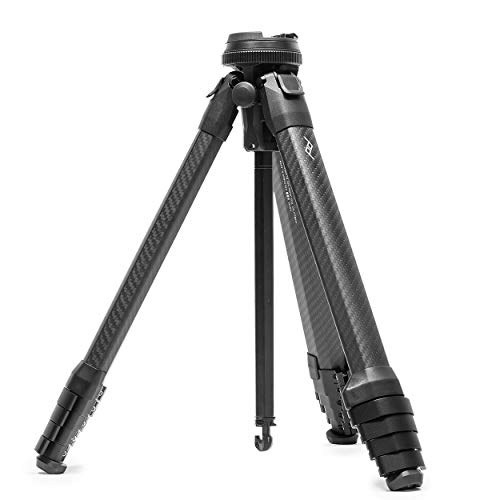
Peak Design Travel Tripod (Carbon Fiber)
Legs fold around the center column rather than beside it, shrinking the packed diameter down to roughly the size of a water bottle. A built-in Arca-compatible plate skips the need for a separate quick-release adapter.
Pros
- Smallest packed diameter among travel tripods in this group
- Built-in Arca plate removes an extra accessory to carry
- Load rating handles larger mirrorless and small DSLR bodies
Cons
- Premium price sits above most competitors here
- Unique leg-fold design takes practice to set up quickly

Benro Rhino Carbon Fiber Tripod
Thicker leg sections than typical travel tripods keep the Rhino steady at its full extended height, which matters for long telephoto lenses or video work on uneven ground. A detachable monopod leg adds flexibility for quick handheld-style shots.
Pros
- Higher load rating supports longer telephoto lenses confidently
- Detachable leg doubles as a quick monopod
- Stays steadier at full height than slimmer travel tripods
Cons
- Heavier and bulkier than true travel-focused tripods
- Folded length is longer, fitting fewer bags

Vanguard VEO 3+ 265CB
Carbon fiber legs bring the weight savings of pricier tripods without matching their cost, making this a reasonable middle ground for hobbyists upgrading from aluminum. A multi-angle center column tilts for angled shots without repositioning the legs.
Pros
- Carbon fiber weight savings at a lower price than premium brands
- Multi-angle column adds framing flexibility
- Solid build quality for the price tier
Cons
- Load rating trails heavier-duty tripods here
- Leg locks feel less refined than Manfrotto or Peak Design

Amazon Basics 60-Inch Tripod
Aluminum legs and flip locks keep the cost well below carbon fiber tripods, suiting anyone trying out tripod shooting for the first time. A bundled carrying bag and reasonable 60 inch max height cover casual photo and video needs.
Pros
- Lowest cost entry point into this comparison
- Flip locks are quick to open and close
- Reasonable max height for casual stills and video
Cons
- Low load rating limits it to lighter cameras and phones
- Less stable than carbon options in windy conditions
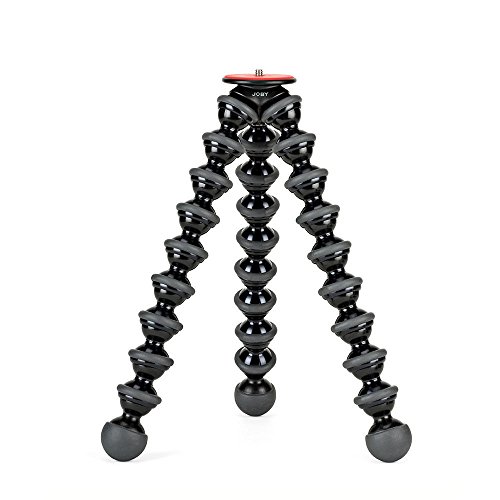
Joby GorillaPod 5K
Flexible, bendable legs wrap around railings, branches or rocks where a standard tripod cannot plant three feet evenly. A locking ball head holds position firmly even with a mirrorless camera and lens attached.
Pros
- Wraps around railings and branches where legs cannot plant flat
- Locking ball head holds angle securely under load
- Compact and light enough to carry daily
Cons
- Less stable than rigid legs on fully flat, open ground
- Max load lower than dedicated travel or studio tripods
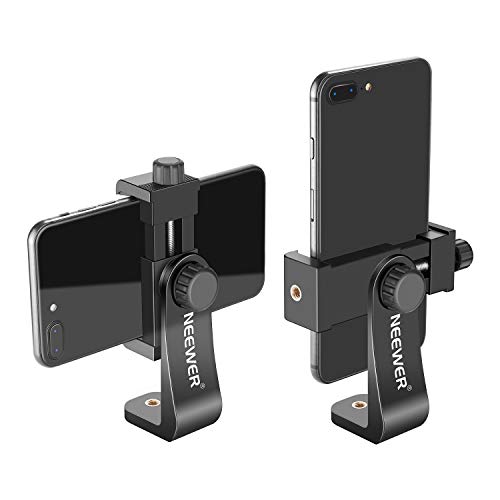
Neewer Tripod with Phone Holder
A spring-loaded phone clamp mounts directly to the center column, aimed squarely at creators filming vertical video for social platforms. A wireless remote shutter pairs with most smartphones for hands-free photo and video capture.
Pros
- Phone clamp and remote included at no extra cost
- Tall max height suits standing vertical video setups
- Lightweight aluminum build is easy to carry daily
Cons
- Not rated for heavier mirrorless or DSLR camera bodies
- Leg locks feel less durable than carbon fiber competitors
Before you buy
What to Look for Before Buying a Tripod Load capacity, folded size and leg lock type matter more than max height for most buyers, since an overloaded tripod sways regardless of how tall it extends. Twist locks like Manfrotto’s resist dust better than flip locks, while flip locks open faster for quick setup. Matching the tripod’s rated load to the actual camera and lens combination, with some margin, prevents the wobble that ruins long exposures.
Best for Travel and Packing Light Folded length and diameter decide whether a tripod fits in a carry-on bag or ends up checked with luggage, which is where the Peak Design Travel Tripod and Manfrotto Befree Advance stand out. Carbon fiber shaves meaningful weight over aluminum at a similar load rating, worth the added cost for anyone carrying gear on foot for hours. Day trips with a short walk to the car see less benefit from paying extra for the lightest option.
Best for Uneven Ground and Unusual Angles Standard three-leg tripods need reasonably flat ground to plant evenly, which fails on rocky trails, stairs or cluttered indoor sets. The Joby GorillaPod 5K’s flexible legs wrap around railings, branches or uneven surfaces instead of requiring flat ground. Studio and event photographers rarely need this flexibility, since their shooting surfaces stay predictable and level.
Best for Smartphone and Social Video Creators A tripod built around a phone clamp, like the Neewer with its spring-loaded mount and Bluetooth remote, serves vertical video creators better than a camera tripod with a phone adapter bolted on as an afterthought. Taller max heights help standing talking-head videos frame correctly without crouching. Creators mixing a phone and a mirrorless camera benefit more from a tripod rated for heavier loads, even if it costs more.
The lineup, side by side
| # | Model | Max Load | Best for | Score | Price |
|---|---|---|---|---|---|
| 1 | Manfrotto Befree Advance | 17.6 lbs | Best Overall | 9.2 | Check price |
| 2 | Peak Design Travel Tripod (Carbon Fiber) | 20 lbs | Best for Packing Light | 9.0 | Check price |
| 3 | Benro Rhino Carbon Fiber Tripod | 26.5 lbs | Best for Stability at Full Height | 8.8 | Check price |
| 4 | Vanguard VEO 3+ 265CB | 15.4 lbs | Best Value Carbon Fiber | 8.5 | Check price |
| 5 | Amazon Basics 60-Inch Tripod | 6.6 lbs | Best Budget Pick | 7.8 | Check price |
| 6 | Joby GorillaPod 5K | 11 lbs | Best for Uneven Terrain | 8.2 | Check price |
| 7 | Neewer Tripod with Phone Holder | 8.8 lbs | Best for Smartphone Content Creators | 7.9 | Check price |
Good to know
How much weight can a travel tripod safely hold?
Most travel tripods in this comparison handle 15 to 20 pounds, enough for a mirrorless camera and moderate lens, though heavier telephoto setups need a sturdier tripod like the Benro Rhino.
Is carbon fiber worth the extra cost over aluminum?
Mainly for weight savings when carrying gear long distances. For short trips or studio use, aluminum tripods like the Amazon Basics option perform similarly at a lower price.
Can a phone tripod also hold a camera?
Some can, but load ratings on phone-focused tripods like the Neewer are lower, so a heavier mirrorless or DSLR body needs a tripod rated for that extra weight.
What is the benefit of a tripod with flexible legs?
Flexible legs, like on the Joby GorillaPod 5K, wrap around railings, branches or uneven rocks where a standard three-leg tripod cannot find flat ground to plant on.
Do twist locks or flip locks work better on tripod legs?
Twist locks resist dust and grit better over time, while flip locks open and close faster. Both work reliably when kept clean and not overtightened.
How tall should a tripod be for standing video?
A tripod that extends to at least eye level, typically around 60 to 67 inches, avoids the need to crouch or hunch while framing a standing shot.
Does a heavier tripod always mean more stability?
Usually yes in wind or on uneven ground, but leg design and load rating matter just as much as raw weight, which is why thicker-legged tripods like the Benro Rhino stay steady despite being carbon fiber.
Can one tripod work for both travel and studio use?
A mid-range carbon tripod like the Vanguard VEO 3+ 265CB covers both reasonably well, though dedicated studio tripods still offer more height and stability for fixed setups.
Our take
The Manfrotto Befree Advance is the strongest all-around choice, combining a compact fold with enough stability for most mirrorless setups. Anyone counting every ounce on long hikes should pick the Peak Design Travel Tripod instead, for its smaller packed diameter. Shooters on rocky trails or uneven terrain get more practical use from the Joby GorillaPod 5K’s flexible legs.
Marcus Chen
Marcus covered consumer electronics for enthusiast tech publications for six years before joining ChoiceCrest. He specializes in translating manufacturer spec sheets into plain-language buying advice, with a focus on audio, computing accessories and smart-home gear.


