Compact, Mirrorless or Action: Choosing a Travel Camera
Sony ZV-1 II suits most travelers as a pocket camera with dependable video autofocus and a wide zoom. Fujifilm X100VI fits photographers who want a larger APS-C sensor without carrying extra lenses. GoPro Hero13 Black covers swimmers and hikers who need a genuinely waterproof body.
Sony ZV-1 II earns the top spot for most trips, pairing a pocket sized body with an 18 to 50mm equivalent zoom and dependable autofocus. Its 1 inch sensor trails APS-C rivals once light drops indoors. Photographers who want more detail and can carry a slightly larger body should look at Fujifilm X100VI instead.
Travel cameras force tradeoffs between sensor size, zoom reach and pocketability that a phone rarely forces on anyone. We compared official spec sheets, weight listings and patterns in owner reviews across compact, mirrorless and action categories to match those tradeoffs to specific trip types.
Before you buy
What to look for in a travel camera Weight and sensor size drive the biggest tradeoffs on any trip. A 1 inch sensor compact fits a jacket pocket but loses detail in dim rooms compared to APS-C bodies. Zoom range matters more for wildlife or architecture, and a fixed 23mm lens like the X100VI covers street scenes but not distant subjects. Waterproofing only matters when a trip includes snorkeling, rafting or heavy rain.
Pocket zoom vs mirrorless A pocket zoom like the Sony ZV-1 II or Canon G7 X Mark III covers most trips with one lens and minimal weight. Mirrorless bodies such as the Nikon Z50II add an interchangeable mount, useful for photographers who already own Z-mount glass or want a wide prime plus telephoto zoom. Extra lenses add bag space, which matters most for carry on only travelers.
Best camera for specific trip types Snorkeling, kayaking or ski trips favor the GoPro Hero13 Black for its waterproof body with no separate housing. City walking tours and food vlogging favor the DJI Osmo Pocket 3 for its built in gimbal and vertical screen. Safari or birdwatching trips benefit from the Panasonic ZS200D 15x zoom, since wildlife rarely stays close.
Shooting indoors and after dark Museums, night markets and dim restaurants push 1 inch sensors toward visible noise above ISO 3200. APS-C sensors in the Fujifilm X100VI and Nikon Z50II gather more light per pixel, producing cleaner shots at dusk. Travelers who mostly shoot outdoors in daylight will notice this gap far less.
Our top picks

Sony ZV-1 II
An 18 to 50mm equivalent zoom stretches wider than most pocket rivals on the Sony ZV-1 II. Face tracking autofocus holds steady through walking vlogs and street shots. A flip out screen helps solo travelers frame themselves in front of landmarks.
Pros
- Wide to tele zoom covers most travel scenes
- Flip screen simplifies vlogging alone
- Reliable subject tracking autofocus
Cons
- No viewfinder for bright sunlight framing
- 1 inch sensor struggles past ISO 3200

Fujifilm X100VI
A 40.2MP APS-C sensor pulls noticeably more detail than 1 inch competitors here. In body stabilization steadies handheld shots up to 6 stops. Its fixed 23mm f/2 lens suits street and landscape work but limits reach for distant subjects.
Pros
- Largest sensor in this class for sharper low light shots
- Hybrid viewfinder works in bright sun
- Film simulation modes cut editing time
Cons
- Fixed lens means no optical zoom
- Heavier than pocket zoom compacts
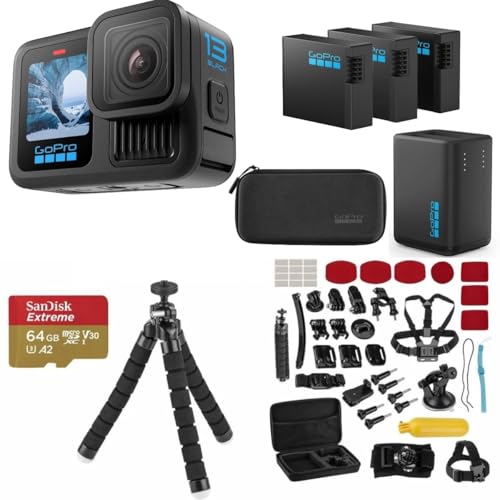
GoPro Hero13 Black
Ten meters of waterproofing come standard on GoPro Hero13 Black, no housing required for snorkeling or kayaking. HyperSmooth stabilization keeps handheld footage steady while biking or walking. A magnetic mount system swaps lenses and accessories in seconds.
Pros
- Survives water, dust and drops without a case
- Ultra wide field of view suits action clips
- Compact enough to mount on a backpack strap
Cons
- No viewfinder or zoom lens for still photography
- Battery life drops fast when recording 5.3K

Nikon Z50II
Interchangeable Z-mount lenses let travelers pack a compact prime for streets and a zoom for landscapes on the Nikon Z50II. A 20.9MP APS-C sensor handles dim museum interiors better than 1 inch compacts manage. Its vari-angle screen aids overhead and low angle framing.
Pros
- Swappable lenses adapt to different trip types
- APS-C sensor improves indoor and evening shots
- Vari-angle screen helps with tricky angles
Cons
- Extra lenses add weight and bag space
- Bulkier than fixed lens compacts for daily carry

Canon PowerShot G7 X Mark III
A 24 to 100mm equivalent zoom on the Canon G7 X Mark III covers portraits through distant architecture without a lens change. Its built in ND filter helps shoot video in bright outdoor light. A tilting touchscreen simplifies menu navigation for casual users.
Pros
- Longer zoom range than most pocket compacts
- Built in ND filter aids bright light video
- Lower cost than mirrorless alternatives with a similar sensor
Cons
- Touchscreen menus feel dated next to newer models
- No viewfinder, hard to frame in direct sun
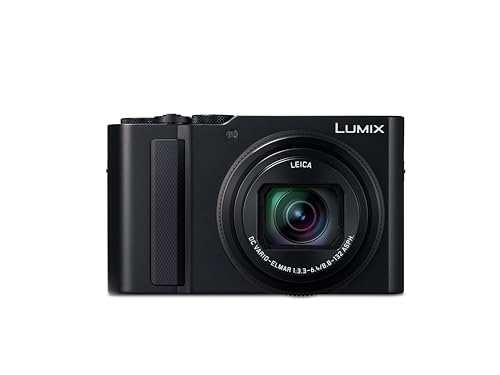
Panasonic Lumix ZS200D
Fifteen times optical zoom reaches 24 to 360mm equivalent on the Panasonic ZS200D, useful for distant wildlife or architecture. Its 1 inch sensor trades some low light performance for that reach. A pop up electronic viewfinder aids composition outdoors.
Pros
- Longest zoom range of any compact on this list
- Built in viewfinder helps in bright light
- Touchscreen and manual dials suit varied skill levels
Cons
- Narrower aperture at full zoom limits low light
- Grip is thin for extended handheld shooting
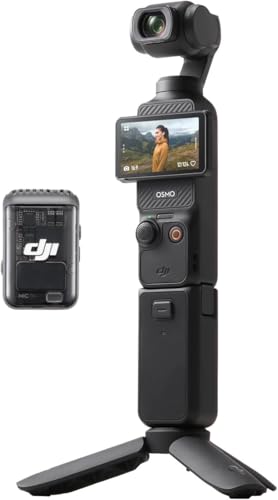
DJI Osmo Pocket 3
A built in 3-axis gimbal keeps footage smooth while walking through markets or airports on the DJI Osmo Pocket 3. Its 1 inch sensor and rotating touchscreen suit vertical video for social platforms. Weighing under 200 grams, it fits in a jacket pocket.
Pros
- Mechanical gimbal smooths handheld walking footage
- Rotates for native vertical video
- Lightest option on this list
Cons
- Fixed wide lens, no optical zoom
- Small handle limits use with gloves
Compared at a glance
| # | Model | Sensor | Best for | Score | Price |
|---|---|---|---|---|---|
| 1 | Sony ZV-1 II | 1.0-inch Exmor RS, 20.1MP | Best overall | 9.4 | Check price |
| 2 | Fujifilm X100VI | APS-C X-Trans CMOS 5 HR, 40.2MP | Best for image quality | 9.2 | Check price |
| 3 | GoPro Hero13 Black | 10 m without housing | Best for water and adventure | 9.0 | Check price |
| 4 | Nikon Z50II | APS-C CMOS, 20.9MP | Best for interchangeable lenses | 8.9 | Check price |
| 5 | Canon PowerShot G7 X Mark III | 1.0-inch CMOS, 20.1MP | Best value | 8.7 | Check price |
| 6 | Panasonic Lumix ZS200D | 1.0-inch MOS, 20.1MP | Best for zoom reach | 8.5 | Check price |
| 7 | DJI Osmo Pocket 3 | 1.0-inch CMOS | Best for minimal packing | 8.3 | Check price |
Good to know
What is the best travel camera for beginners?
Sony ZV-1 II suits beginners well, since its autofocus tracks faces automatically and its zoom range covers most scenes without lens changes.
Is a mirrorless camera better than a compact for travel?
Mirrorless cameras like the Nikon Z50II offer larger sensors and swappable lenses, while compacts like the Canon G7 X Mark III stay lighter and simpler for travelers who want one camera that just works.
Can a GoPro work as my only travel camera?
GoPro Hero13 Black handles action and water scenes well but lacks a zoom lens and optical viewfinder, so it struggles for portraits or distant subjects compared to a compact or mirrorless body.
What is the best waterproof travel camera?
GoPro Hero13 Black is rated to 10 meters without a housing, making it the most water ready option among cameras compared here.
Do I need a viewfinder for travel photography?
A viewfinder helps in bright sunlight where screens wash out, which is why the Fujifilm X100VI and Panasonic ZS200D include one, unlike the Sony ZV-1 II or DJI Osmo Pocket 3.
Which travel camera has the best zoom range?
Panasonic Lumix ZS200D offers the longest reach at 15x optical zoom, equivalent to 24 to 360mm, ahead of every other camera in this comparison.
Is a 1 inch sensor good enough for travel photography?
A 1 inch sensor, found in the Sony ZV-1 II and Canon G7 X Mark III, handles daylight and outdoor scenes well but shows more noise indoors than the APS-C sensors in the X100VI or Z50II.
What is the lightest travel camera worth buying?
DJI Osmo Pocket 3 weighs 179 grams, the lightest camera on this list, thanks to a built in gimbal replacing a traditional body.
Mirrorless vs compact camera: which packs better for carry on travel?
A compact like the Sony ZV-1 II or Canon G7 X Mark III slips into one bag pocket with no extra lenses. A mirrorless kit like the Nikon Z50II needs a dedicated case once a second lens joins the body.
Our take
Sony ZV-1 II earns the top spot for travelers who want one camera that handles most situations, thanks to its wide zoom and dependable autofocus. Photographers who prioritize image quality over zoom range should choose Fujifilm X100VI instead and accept its fixed lens as a tradeoff. Anyone planning water based activities should add GoPro Hero13 Black as a second camera rather than relying on it alone.
Sierra Daniels
Sierra's background is in landscape design and nursery retail. She focuses on lawn and garden equipment, outdoor furniture and gear durability, weighing published specs against how materials actually hold up outside.


