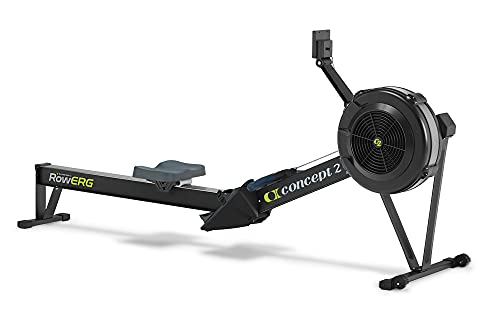
How To Build Surf Balance And Paddle Strength At Home
The Indo Board Original Balance Trainer suits surfers who want realistic, multi-directional wobble that mirrors a moving deck. Beginners get a gentler curve with the Vew-Do Zone Balance Board. Riders who want adjustable difficulty should consider the RipSurfer X Balance Trainer’s pump-adjustable air bladder base.
Flat ground can’t recreate a wave, but the right tool recreates the wobble. The Indo Board Original Balance Trainer comes closest, since its cylindrical roller tips the deck in any direction the way a surfboard shifts underfoot. That much freedom overwhelms complete beginners at first. The Vew-Do Zone Balance Board solves that with a shorter rocker throw, working better as a starting point. Budget shoppers still get real training value from the Yes4All Wooden Wobble Balance Board.
Every indoor surf trainer claims surf-specific balance, yet the instability mechanism behind that claim varies widely. Rocker boards, roller boards, wobble cushions, and air-bladder bases each teach a different skill. We compared deck dimensions, stated weight limits, adjustability, and owner feedback on stability and setup space. That approach separated genuine wave-balance carryover from generic fitness wobble gear.
Our top picks

Indo Board Original Balance Trainer
A 6.5 inch cylindrical roller under the deck lets it tip and rotate the way a surfboard shifts on an unbroken wave face. The included IndoFLO cushion swaps in for a gentler, lower-impact session. Surf coaches use this exact setup for pop-up and stance drills between water sessions.
Pros
- Roller allows tilt and rotation in any direction
- Cushion accessory lowers difficulty for warm-up sessions
- Textured deck grips bare or socked feet
Cons
- Roller mode needs a spotter or wall nearby at first
- Takes more floor space than a rocker board

Vew-Do Zone Balance Board
A shorter rocker throw keeps this deck closer to level than aggressive surf-specific boards, so new users log more time upright. Wide grip tape on top steadies bare feet during slow, controlled tips. Vew-Do positions this as the entry point ahead of its Pro and Freeride lines.
Pros
- Shorter rocker throw suits first-time riders
- Grip tape keeps footing secure while learning
- Compact enough for an apartment corner
Cons
- Limited challenge once basic balance improves
- No roller mode for advanced multi-directional work

RipSurfer X Balance Trainer
An adjustable air bladder sits under the deck, so pumping it up raises difficulty and releasing air calms the wobble back down. That range lets one board cover a full season of progress instead of getting outgrown. Multi-directional tilt trains the small stabilizing corrections a wave actually demands.
Pros
- Air pressure adjusts difficulty as skill grows
- Multi-directional wobble mimics unpredictable wave movement
- One board covers beginner through advanced training
Cons
- Requires a pump and occasional air top-ups
- Steeper learning curve than a fixed rocker board

Revolution Balance Boards Original Balance Board
Concave rails borrowed from real surfboard bottoms shape this deck, so the carving motion feels closer to an actual bottom turn. A fixed wooden roller underneath rewards smooth weight transfer over sharp jerks. Owners often pair it with a mounted mirror to check stance and shoulder rotation.
Pros
- Concave deck shape rewards proper surf stance
- Smooth roller teaches controlled weight transfer
- Wood construction holds up to daily use
Cons
- Fixed roller offers less adjustability than air-based boards
- Higher skill floor than beginner rocker boards

BOSU Balance Trainer
Flip the inflatable dome down and the flat platform side turns squats, lunges, and planks into a stability challenge that carries over to paddle and pop-up strength. Dome side up, it works more like a wobble cushion for ankle and knee stabilizer work. A hand pump ships with it for adjusting dome firmness.
Pros
- Two-sided design covers balance and strength training
- Widely available replacement parts and accessories
- Doubles as general home gym equipment
Cons
- Bulkier to store than a flat balance board
- Less specific to surf stance than dedicated surf trainers

TRX PRO4 Suspension Trainer System
Adjustable straps and foam handles load rowing and pulling motions that mirror a paddle stroke, building the shoulder and lat endurance surfing demands. A door anchor and extension strap cover home setups without a rack. Everything packs into the included bag for a shelf or gym bag.
Pros
- Trains paddle-specific pulling and rowing strength
- Anchors to a door without dedicated hardware
- Compact enough to travel in the included bag
Cons
- Does not train balance or wave stance directly
- Bodyweight resistance only, with no added-weight option
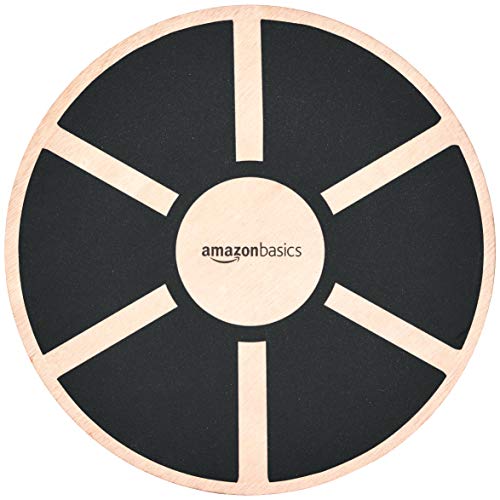
Yes4All Wooden Wobble Balance Board
A round wooden deck sits on a rubber base ring, giving a simple tilt-and-rotate wobble for short daily sessions. It stores flat under a bed or in a closet between uses. Its low cost makes it an easy first board before committing to a dedicated surf trainer.
Pros
- Low cost entry point into balance training
- Compact round shape stores almost anywhere
- Rubber base protects floors from scuffing
Cons
- Smaller deck limits foot positioning options
- Wobble feels less surf-specific than rocker or roller boards
How to pick the right one
What to look for in an indoor surf trainer Three things separate a real surf trainer from generic gym gear: instability type, deck size, and floor footprint. Rocker boards tip front to back or side to side along a fixed arc. Roller boards and air-bladder bases add rotation, closer to how a surfboard reacts underfoot. Check the stated weight capacity too, since a board rated for a lighter rider flexes and wears faster under a heavier one. Floor footprint matters more than it sounds, since a roller board needs open space on both sides for a fall.
Rocker boards vs roller boards vs air-bladder trainers Rocker boards, like the Vew-Do Zone, move along one fixed curve, which limits movement but keeps early sessions predictable. Roller boards, like the Indo Board Original, let the deck spin and tip in any direction the roller allows. Air-bladder boards, such as the RipSurfer X, change resistance by adjusting internal air pressure. None of the three fully replicates open water, but roller and air-bladder designs come closest to unpredictable wave movement.
Best trainer for beginners vs advanced maneuvers New surfers benefit more from a shorter learning curve than from maximum challenge. A low-rocker board, or a flat wobble board like the Yes4All, beats a roller board at the start. Once basic balance holds for a few minutes without stepping off, an air-bladder or roller board adds the multi-directional demand a beginner board can’t match. Surfers working on carving and bottom turns get more specific value from a concave-deck board like the Revolution Balance Boards model, since its rail shape rewards the same weight shift a real turn needs.
Training paddle strength off the water Balance is only half of surf fitness, since weak paddling arms tire before a set even arrives. Suspension trainers like the TRX PRO4 load the pulling and rowing motion a paddle stroke uses, building shoulder and lat endurance without a pool. A stability trainer such as the BOSU adds core and hip work that supports both paddling posture and pop-up speed. Rotate balance sessions with a paddle-strength day rather than stacking both together, since both tax grip and shoulder stability.
How they compare
| # | Model | Deck size | Best for | Score | Price |
|---|---|---|---|---|---|
| 1 | Indo Board Original Balance Trainer | 30 x 18 inches | Best overall | 9.4 | Check price |
| 2 | Vew-Do Zone Balance Board | Low-profile symmetrical rocker | Best for beginners | 8.8 | Check price |
| 3 | RipSurfer X Balance Trainer | Adjustable air bladder base | Best for advanced balance training | 9.0 | Check price |
| 4 | Revolution Balance Boards Original Balance Board | Concave rails modeled on surfboard bottoms | Best for wave-carving practice | 8.9 | Check price |
| 5 | BOSU Balance Trainer | Inflatable dome with flat platform on reverse side | Best for full-body cross-training | 8.6 | Check price |
| 6 | TRX PRO4 Suspension Trainer System | Door anchor and extension strap included | Best for paddle strength | 8.5 | Check price |
| 7 | Yes4All Wooden Wobble Balance Board | Round wobble board | Best budget | 8.0 | Check price |
Frequently asked questions
Can you practice surfing balance indoors?
Yes, though no indoor tool replicates open water exactly. Balance boards and roller trainers build the ankle, knee, and hip stabilization a wave demands. Owners report the carryover shows up fastest in pop-up speed and stance control, not wave reading.
What is the best balance board for surfing?
A roller-based board like the Indo Board Original comes closest to surfboard-style instability, since its cylindrical roller allows tilt and rotation in any direction. Riders who find that too aggressive often start on a fixed-rocker board instead.
Is an Indo Board good for surf training?
Surf coaches commonly use Indo Board style trainers for stance and pop-up drills between water sessions. The roller and cushion combination lets a rider dial difficulty up or down within one setup.
How do balance boards improve surfing?
They train the small, constant muscle corrections that keep a rider centered over a moving board. That stabilizer strength transfers to standing through chop and adjusting stance mid-wave. Wave reading and paddling technique still need separate practice.
Do surf balance trainers help with paddle strength?
Not directly. Balance boards train legs, ankles, and core, while paddling strength comes from the shoulders, lats, and upper back. A suspension trainer or resistance band routine covers that gap better than any balance board alone.
What is the difference between a wobble board and a surf balance board?
A basic wobble board like the Yes4All tips on a single rubber ring and mainly builds ankle stability. A dedicated surf balance board adds a roller, adjustable air bladder, or shaped deck rails to mimic the multi-directional demand of an actual wave face.
How long should you practice on a balance board for surfing?
Short, frequent sessions beat one long workout. Ten to fifteen minutes most days keeps stabilizer muscles engaged without the leg fatigue sloppy form under exhaustion can cause. Many owners split time between a balance day and a paddle-strength day.
Can beginners use surf balance trainers safely?
Yes, starting with a lower-rocker or flat wobble board and a clear fall zone on both sides helps. Placing the board near a wall or sturdy chair for an occasional hand-touch reduces early falls while stance and confidence build.
Which surf trainer works best for small apartments?
The Vew-Do Zone Balance Board and the Yes4All Wooden Wobble Balance Board both fit compact spaces, since neither needs a wide fall zone. Roller boards like the Indo Board need more open floor on both sides.
Final word
The Indo Board Original Balance Trainer takes the top spot for roller-based instability that tracks closest to real wave movement, backed by an included cushion for lower-impact days. Riders just starting out should skip straight to the Vew-Do Zone Balance Board instead, since its shorter rocker throw builds confidence before tackling a roller. Anyone training specifically for paddling power should add the TRX PRO4 Suspension Trainer alongside whichever balance board they pick.
Derek Holt
Derek has a background coaching recreational and amateur athletes and has worked the sales floor at specialty fitness retailers. He focuses on equipment durability, ergonomics and realistic use cases rather than marketing claims.