What New Surfers Should Buy Before Their First Session
The FCS Essential leash keeps a beginner board attached through wipeouts. Sticky Bumps Basecoat wax adds deck grip without a wetsuit-sized budget. A Dark Lightning rash guard stops rub from lying on the board. Start with these three before pricier gear.
The FCS Essential leash tops this list for new surfers buying their first accessories. Its padded ankle cuff and swiveling rail saver protect the board’s tail from leash dings. Most beginners should pair a board with this leash before anything else.
Beginner surf gear splits into three jobs: protecting the board, protecting the skin, and improving grip on the deck. New surfers often spend on the wrong category first, like a wetsuit before checking whether local water temperature even requires one. We compared specs, owner reviews, and typical beginner mistakes to rank these seven picks.
The shortlist, ranked

FCS Essential Comp 6′ Leash
This 6-foot leash matches common beginner shortboard and funboard lengths. It keeps the board close after a wipeout instead of drifting toward other surfers. A padded ankle cuff and swiveling rail saver cut down on tangling during repeated falls.
Pros
- Keeps the board from drifting after wipeouts
- Swivel design resists leash tangling
- Padded cuff stays comfortable for long sessions
Cons
- 6-foot length runs short for longboards
- Rail saver needs occasional replacement

Sticky Bumps Basecoat Original Surf Wax
Basecoat wax builds the foundation bumps on a deck before a topcoat adds surface grip. Beginners often skip this step, then wonder why the board feels slippery. One bar covers multiple wax jobs, which keeps costs low for frequent sessions.
Pros
- Builds the grip foundation topcoat needs
- One bar lasts many applications
- Works under any topcoat wax formula
Cons
- Still needs a topcoat for full grip
- Melts faster if stored in direct sun
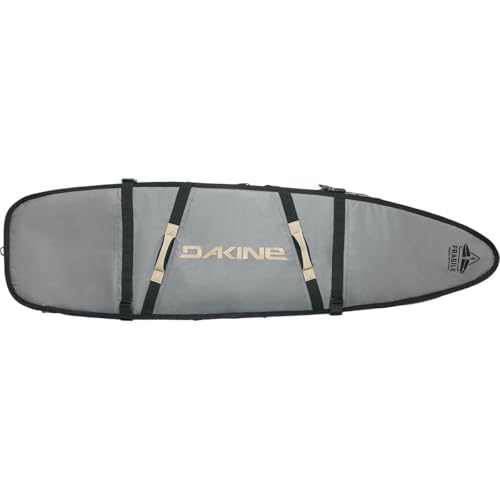
Dakine Traveler Surfboard Bag
A padded day bag protects a beginner board from dings during car transport and storage. Beginner boards see frequent drops and bumps between sessions. An adjustable shoulder strap makes carrying the board and other gear to the beach easier in one trip.
Pros
- Padding cuts down on transport dings
- Shoulder strap frees a hand for other gear
- Fits standard beginner board lengths
Cons
- Adds bulk when loading a small car
- Not built for airline travel impacts

Dark Lightning Long Sleeve Rash Guard
This long-sleeve rash guard rates UPF 50+, cutting sun exposure during hours-long beginner sessions where sunscreen washes off. Its tight, stretchy fit also prevents the chest and stomach rub that comes from paddling on a waxed board all day.
Pros
- UPF 50+ cuts sunburn risk during long sessions
- Stops chest rash from board contact
- Stretch fit does not restrict paddling
Cons
- Runs warmer than short sleeves in hot climates
- Sizing runs snug, check charts before buying

O’Neill Reactor II 3/2mm Wetsuit
At 3/2mm thickness, this wetsuit suits temperate water where a rash guard alone falls short but a thicker winter suit is overkill. Flatlock stitching keeps seams comfortable against skin during the paddling-heavy learning phase.
Pros
- Suits a wide range of temperate water temps
- Flatlock seams cut down skin irritation
- Offers easier entry than chest-zip designs
Cons
- Runs too thin for cold winter water
- Back zip entry is less flexible than chest zip

FCS Wax Comb and Surfboard Tool
A wax comb re-textures a worn deck between full wax jobs, extending grip life without buying new wax every session. The same tool typically includes a fin key, covering another small but frequently needed task.
Pros
- Extends existing wax grip between reapplications
- Combined fin key skips buying a separate tool
- Small enough to keep in a board bag pocket
Cons
- Does not replace wax once it wears out completely
- Small size makes it easy to lose

Ho Stevie Surf Poncho Changing Towel
A poncho-style changing towel lets a beginner swap out of a wet rash guard or wetsuit in a parking lot without a towel slipping mid-change. Absorbent fleece lining dries the body faster than a standard beach towel.
Pros
- Hands-free design eases changing after a session
- Absorbent lining dries faster than flat towels
- Works year-round for any water sport
Cons
- Packs bulkier than a standard towel
- May fit loosely on smaller frames
Side by side
| # | Model | Length | Best for | Score | Price |
|---|---|---|---|---|---|
| 1 | FCS Essential Comp 6′ Leash | 6 feet | Best overall | 9.2 | Check price |
| 2 | Sticky Bumps Basecoat Original Surf Wax | Basecoat, all water temperatures | Best value | 8.9 | Check price |
| 3 | Dakine Traveler Surfboard Bag | Foam-padded interior | Best for board protection | 8.7 | Check price |
| 4 | Dark Lightning Long Sleeve Rash Guard | 50+ | Best for skin protection | 8.5 | Check price |
| 5 | O’Neill Reactor II 3/2mm Wetsuit | 3/2mm | Best for cooler water | 8.4 | Check price |
| 6 | FCS Wax Comb and Surfboard Tool | Wax texturing, fin key combo | Best small accessory | 8.1 | Check price |
| 7 | Ho Stevie Surf Poncho Changing Towel | Poncho, hooded | Best for post-session changing | 8.0 | Check price |
What to look for
What to buy before your first surf session A leash and wax matter most before anything else. Both directly affect staying attached to the board and standing up without slipping. A board bag and rash guard come next, protecting the board and skin during the frequent falls beginners experience.
Wax and grip basics for new surfers Basecoat wax builds texture bumps, and a topcoat matched to your local water temperature adds surface tack. Skipping basecoat is a common beginner mistake. It leaves the deck feeling slick no matter how much topcoat gets applied.
Skin and sun protection for longer sessions Beginner sessions often run longer than intended, since paddling and popping up take repeated practice. A UPF-rated rash guard guards against both sunburn and the chest rub caused by lying on a waxed board for hours.
Matching wetsuit thickness to water temperature Water temperature, not air temperature, determines wetsuit needs. A 3/2mm suit covers most temperate conditions. Colder water calls for thicker neoprene, while warm tropical water may need only a rash guard and boardshorts.
Frequently asked questions
What surf accessories does a beginner actually need first?
A leash and surf wax come first. Both directly affect keeping the board attached and standing up without slipping during early sessions.
Do beginners need a wetsuit to start surfing?
Only if local water temperature requires one. Warm water spots often need only a rash guard, while temperate or cold water calls for a wetsuit matched to that temperature.
How much surf wax does a beginner need?
One bar of basecoat and one bar of topcoat typically cover several sessions before reapplication. A wax comb extends that further between full jobs.
What length leash is best for a beginner surfboard?
Match the leash length to the board length, roughly 6 feet for a 6-foot shortboard or funboard, and longer for longboards.
Rash guard vs wetsuit, which should a beginner buy first?
A rash guard protects against sun and board rub in any water temperature. A wetsuit adds thermal protection needed only in cooler water.
Do beginner surfers need a board bag?
A padded bag protects the board from dings during frequent car transport, which matters more for beginners still learning to handle a board carefully.
How do you apply surf wax as a beginner?
Rub basecoat wax first to build texture bumps on a clean, dry deck. Then apply a topcoat matched to the water temperature for surface grip.
What UPF rating is good for a surf rash guard?
UPF 50+ blocks the large majority of UV rays, which matters for sessions that often run longer than planned under direct sun.
Best surf gear for warm water beginners?
Warm water beginners can skip a wetsuit and prioritize a rash guard like the Dark Lightning for sun and rub protection instead.
Can I use regular wax instead of surf wax?
Regular wax lacks the tack formulated for water contact and washes off fast. Basecoat and topcoat surf wax are built to hold grip in wet conditions.
Our take
For a first gear purchase, the FCS Essential leash paired with Sticky Bumps Basecoat wax covers what matters most before paddling out. Surfers in cooler water should add the O’Neill Reactor II wetsuit early. Warm-water beginners can skip a wetsuit and prioritize the Dark Lightning rash guard instead.
Derek Holt
Derek has a background coaching recreational and amateur athletes and has worked the sales floor at specialty fitness retailers. He focuses on equipment durability, ergonomics and realistic use cases rather than marketing claims.

