Sump Pumps for DIYers: Reliable Picks for Every Basement
For most DIYers, the Wayne CDU980E is the top choice because it offers strong pumping power, a durable cast iron switch, and straightforward installation. Its main limitation is that it lacks a battery backup, so you may need to pair it with a separate system for power outages.
A wet basement is a nightmare no homeowner wants. A reliable sump pump is your first line of defense against flooding. But with so many models on the market, choosing the right one can be overwhelming.
We compared top-rated sump pumps that are popular among DIYers. Our focus is on reliability, ease of installation, and features that matter. Whether you’re replacing an old pump or installing a new one, this guide will help you pick the right tool for your basement.
The shortlist, ranked

Wayne CDU980E
The Wayne CDU980E is a workhorse submersible pump with a 3/4 HP motor that moves 4600 gallons per hour. Its vertical float switch is reliable and less prone to clogging. The cast iron switch housing adds durability, making it a favorite among homeowners.
Pros
- Powerful performance for most homes
- Durable cast iron switch housing
- Easy to install with clear instructions
Cons
- No battery backup
- May be loud for some users
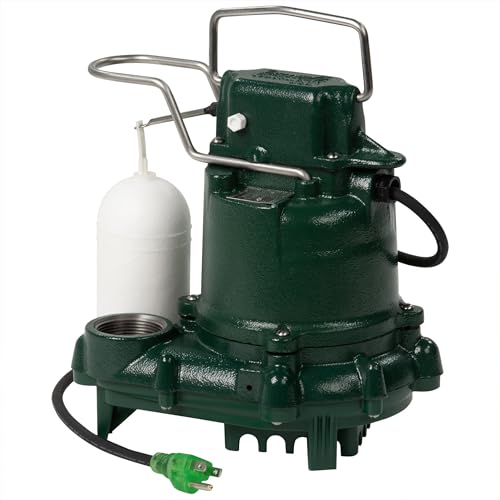
Zoeller M53 Mighty Mate
The Zoeller M53 is a compact 1/3 HP pump that has been a trusted name for decades. Its tethered float switch is simple and effective. Made in the USA, it offers solid performance at an affordable price.
Pros
- Reliable and time-tested design
- Compact size fits smaller basins
- Energy efficient
Cons
- Lower flow rate than larger models
- Tethered switch can get stuck in tight pits

Basement Watchdog BW1050
The Basement Watchdog BW1050 is a 1/2 HP primary pump that pairs seamlessly with the company’s battery backup systems. It features a durable cast iron pump housing and a reliable vertical float switch. The included tether clamp helps prevent switch hang-ups.
Pros
- Compatible with Basement Watchdog backup systems
- Cast iron construction
- High flow rate for its size
Cons
- Slightly more expensive than similar pumps
- Requires separate backup purchase
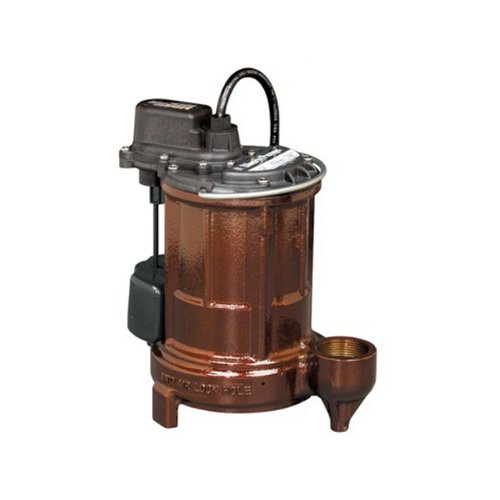
Liberty Pumps 257
The Liberty Pumps 257 is a heavy-duty 1/2 HP submersible pump designed for demanding applications. Its cast iron volute and stainless steel screws resist corrosion. The wide-angle float switch is adjustable and reliable.
Pros
- Excellent build quality
- Adjustable switch for custom cycling
- Quiet operation
Cons
- Heavier than some competitors
- Price is a bit high

Superior Pump 92301
The Superior Pump 92301 offers a 3/4 HP motor at a wallet-friendly price. It features a thermoplastic pump housing and a tethered float switch. While not as durable as cast iron, it provides adequate performance for many homes.
Pros
- Low cost for high horsepower
- High flow rate
- Comes with a 2-year warranty
Cons
- Thermoplastic housing less durable
- Tethered switch may require larger basin

Pumping Solutions 1/2 HP Cast Iron
This submersible pump from Pumping Solutions offers a 1/2 HP motor and a cast iron volute for long life. It uses a vertical float switch that saves space in the basin. It’s a solid choice for DIYers who want cast iron without the premium price.
Pros
- Cast iron construction at a good price
- Vertical float switch saves space
- Energy efficient motor
Cons
- Less known brand
- Shorter power cord (10 ft)
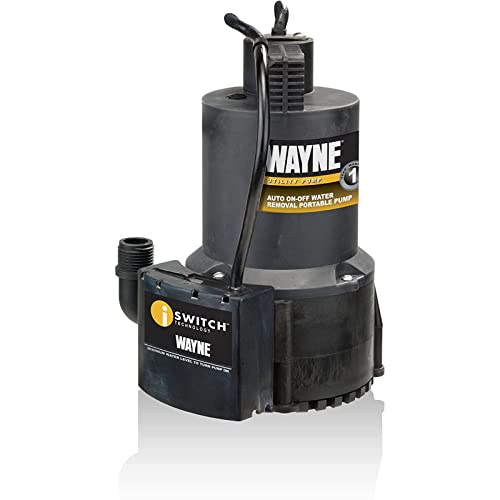
Wayne WEEUP250
The Wayne WEEUP250 is a water-powered backup pump that doesn’t rely on electricity. It pumps up to 2,000 gallons per hour using city water pressure. This is an excellent addition to any primary sump pump system.
Pros
- Works during power outages
- No battery needed
- Ideal for extended outages
Cons
- Requires city water connection
- Lower flow rate than electric pumps
Compared at a glance
| # | Model | Horsepower | Best for | Score | Price |
|---|---|---|---|---|---|
| 1 | Wayne CDU980E | 3/4 HP | Most DIYers | 9.4 | Check price |
| 2 | Zoeller M53 Mighty Mate | 1/3 HP | Small to medium basements | 9.0 | Check price |
| 3 | Basement Watchdog BW1050 | 1/2 HP | Battery backup integration | 9.2 | Check price |
| 4 | Liberty Pumps 257 | 1/2 HP | High-capacity needs | 9.1 | Check price |
| 5 | Superior Pump 92301 | 3/4 HP | Budget-conscious DIYers | 8.6 | Check price |
| 6 | Pumping Solutions 1/2 HP Cast Iron | 1/2 HP | Cast iron durability | 8.8 | Check price |
| 7 | Wayne WEEUP250 | Water pressure | Emergency backup | 9.0 | Check price |
What matters most
Questions worth asking
How do I know what size sump pump I need?
For most homes, a 1/3 HP pump handles typical basement water intrusion. If you have a high water table or a larger basement, a 1/2 HP or 3/4 HP is better. Check the pump’s flow rate, usually measured in gallons per hour at a certain lift, to match your pit’s inflow rate.
Can I install a sump pump myself?
Yes, many DIYers install sump pumps successfully. You’ll need basic plumbing and electrical skills. Ensure you have a GFCI outlet, proper discharge piping, and a sump basin. Follow the manufacturer’s instructions and local codes. If you’re uncomfortable with electrical work, hire a licensed electrician for that part.
What is the difference between a submersible and pedestal sump pump?
Submersible pumps are placed in the water and are quieter and more powerful. Pedestal pumps have the motor on a column above the basin, making them easier to access for maintenance but louder and less efficient. Submersibles are more common for DIY because they’re simpler to install.
How long does a sump pump last?
On average, a sump pump lasts 7 to 10 years. The lifespan depends on usage, water quality, and maintenance. Regularly cleaning the pump and pit, testing it, and ensuring proper discharge can extend its life.
Do I need a battery backup sump pump?
If you live in an area prone to power outages during storms, a battery backup is wise. It ensures your pump works even when the power goes out. You can buy a separate backup system or a pump with an integrated battery. Water powered backups are another option if you have municipal water pressure.
Why does my sump pump run frequently?
Frequent cycling can be due to a high water table, a small sump pit, or a misadjusted float switch. Check the pit size and switch settings. Also, ensure the discharge line isn’t clogged. If the pump runs nonstop, it may be undersized for the inflow.
How often should I test my sump pump?
Test your sump pump every few months by pouring water into the pit until the float activates. Also, clean the pit and pump inlet to remove debris. Before heavy rain seasons, test it more often to ensure it’s working properly.
What should I look for in a sump pump switch?
Look for a switch that is reliable and fits your basin. Vertical float switches are good for tight spaces, while tethered floats work in larger pits. Some switches are adjustable. Choose a switch with a solid warranty and proven durability.
Our take
For most DIY installations, the Wayne CDU980E offers the best balance of power, reliability, and ease of use. Its cast iron construction and high flow rate make it a top choice. If you need a battery backup, consider the Basement Watchdog BW1050. For a tight budget, the Superior Pump 92301 provides solid performance without breaking the bank. Choose based on your specific needs, but the Wayne CDU980E is our clear recommendation for a first-time installer.
Jake Monroe
Jake worked as a residential contractor for over a decade before shifting to full-time writing. He evaluates power tools, hand tools and workshop gear through the lens of someone who has actually used them on job sites, not just read the box.

