Which Staple Remover Pulls Without Tearing Paper?
Swingline Deluxe Staple Remover handles everyday desk filing, with four hardened teeth and a spring that keeps its tension. Bostitch Office Heavy Duty clamps from above and lifts 3/8 inch legs out of bound reports. PraxxisPro Office Essentials reaches both staple sizes with narrow stainless tips.
Swingline Deluxe Staple Remover fits anyone clearing dozens of staples a day. Four hardened teeth meet at a shallow angle and slide under the crown rather than through the sheet. Filing stays quick because the spring resets on its own. Heavy duty 3/8 inch legs defeat it, so bound reports need a plier tool.
Listings for these tools read almost identically. What separates them is tooth geometry, jaw metal and how long a spring stays firm. We compared stated staple ranges, jaw material, body construction and owner reports of springs going slack. Tools that hand the staple back ranked above ones that fling it across a desk.
The top picks, ranked
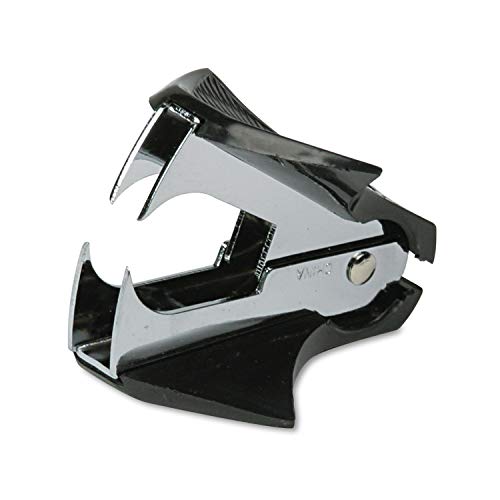
Swingline Deluxe Staple Remover
Four hardened steel teeth meet at a shallow angle, so the jaw wedges under a crown instead of punching the paper. Plastic housing keeps weight low through a long filing session. Owners report the spring still snaps back after years of desk duty.
Pros
- Shallow tooth angle lifts crowns without creasing sheets
- Spring holds tension through daily filing volume
- Light enough for long grading or archiving runs
Cons
- Skates off heavy duty 3/8 inch legs
- Plastic housing scuffs quickly

Bostitch Office Heavy Duty Staple Remover
Squeeze handles multiply hand force, which matters once legs have bent inside a 40 page report. Steel jaws grab the crown from above and rock it straight out. Rubberised handles spread the pressure that pincers concentrate on one fingertip.
Pros
- Pulls long legs that pincer tools cannot catch
- Rubberised handles cut thumb fatigue
- Staple stays held instead of springing loose
Cons
- Bulkier than a pincer in a shallow drawer
- More tool than a single sheet memo needs

PraxxisPro Office Essentials Staple Remover
Narrow stainless tips slip into the gap between a flush crown and the paper beneath. Reach covers standard and heavy duty staples, so one tool replaces two in the drawer. Contoured handles close easily for smaller hands.
Pros
- Narrow tips get under flush set staples
- One tool covers both common staple sizes
- Handle shape suits smaller hands
Cons
- Light frame flexes under a hard squeeze
- Tips leave marks on glossy cover stock

Officemate Standard Staple Remover
Classic pincer shape sets metal jaws in a moulded plastic body. Standard staples come out of short documents quickly, and the flat profile stores in a pen tray. Expect the spring to soften sooner than on premium pincers.
Pros
- Cheap enough to keep one at every desk
- Flat body fits a crowded drawer
- Nothing on it to jam or adjust
Cons
- Spring softens after months of heavy use
- No purchase on heavy duty legs

Amazon Basics Staple Remover
Multi packs suit classrooms, clinics and shared workrooms where small tools disappear. Jaw geometry follows the common pincer pattern and lifts standard staples with a light squeeze. Finish quality wanders slightly between units in the same pack.
Pros
- Low cost per unit across a whole office
- Familiar pincer action needs no explaining
- Easy to replace when one goes missing
Cons
- Consistency varies from unit to unit
- Thin jaws bend if used as a pry bar

MAX RZ-A Staple Remover
Instead of pinching, a thin steel blade slides beneath the crown and rolls the staple upward. That motion spares thin sheets, tissue inserts and brittle records. Speed is the tradeoff, since each staple takes two deliberate passes.
Pros
- Gentlest action for fragile or archival sheets
- Slim blade reaches staples set tight to a fold
- Stores in a pen cup rather than a drawer
Cons
- Slower than a pincer on bulk work
- Exposed blade tip needs careful storage

Sparco Standard Staple Remover
Institutional pincer built to the familiar pattern and sold for bulk purchase orders. Steel jaws clear standard staples from worksheets and permission slips without drama. Nothing here surprises, which is the point once a caddy gets shared down a hallway.
Pros
- Made for bulk classroom ordering
- Predictable action students handle safely
- Compact enough for a supply caddy
Cons
- Spring loses its snap with age
- Thin handles press on fingers during long sessions
Before you buy
What to look for in a staple remover Three details decide the outcome: tooth angle, jaw metal and spring tension. Shallow teeth wedge under the crown and lift, while blunt teeth punch through and leave a tear. Steel jaws keep their edge, whereas plated pot metal rounds off within a year of daily use. Check the stated staple range as well. A tool built around 1/4 inch legs will slip off 3/8 inch heavy duty staples. Grip shape matters last, though it decides comfort by the fiftieth staple.
Jaw style vs plier style, and which to buy Pincers wedge under the crown and rock backward, which is quick on memos and thin sets. Plier tools clamp from above and pull straight up, so bent legs come back through their own holes. Volume filers often keep both and choose by thickness. Drawer depth is the practical catch, since plier bodies need more room than a flat pincer. Hand strength counts too, because squeezing a plier uses the whole palm rather than one thumb.
Best for teachers and high volume filing Clearing a box of files rewards a tool that releases the staple deliberately. Spring loaded handles reset themselves, leaving your hand to do only the squeeze. Contoured or rubberised grips matter more than the badge here, because the pressure point sits on a fingertip. Shared offices and classrooms lose these tools constantly, which is where multi packs earn their place. Park a magnetic tray beside you so pulled staples do not scatter.
How to remove staples from old or fragile documents Old paper tears along the existing holes, so any tool that twists widens the damage. Blade lifters raise each leg separately before the crown comes free, which keeps the fibre intact. Work from the back of the sheet where the legs are visible, and flatten them first. Deeds, certificates and photo album pages deserve that slower method. Glossy and laminated stock also marks under pincer teeth, so a blade is the safer choice there.
How they stack up
| # | Model | Style | Best for | Score | Price |
|---|---|---|---|---|---|
| 1 | Swingline Deluxe Staple Remover | Jaw pincer | Best overall | 9.4 | Check price |
| 2 | Bostitch Office Heavy Duty Staple Remover | Plier squeeze | Best for thick stapled stacks | 9.2 | Check price |
| 3 | PraxxisPro Office Essentials Staple Remover | Plier squeeze | Best value | 9.0 | Check price |
| 4 | Officemate Standard Staple Remover | Jaw pincer | Best budget | 8.7 | Check price |
| 5 | Amazon Basics Staple Remover | Jaw pincer | Best for stocking multiple desks | 8.5 | Check price |
| 6 | MAX RZ-A Staple Remover | Blade lifter | Best for delicate or archival paper | 8.3 | Check price |
| 7 | Sparco Standard Staple Remover | Jaw pincer | Best for classroom supply orders | 8.0 | Check price |
Good to know
How does a staple remover work without ripping the page?
Teeth wedge under the crown, then leverage rotates the staple upward. Legs travel back through the holes they made. Tearing happens when those legs get dragged sideways instead.
What is the difference between a jaw and a plier staple remover?
Jaw pincers wedge under the crown and rock back, which is quick on thin sets. Plier types clamp from above and pull straight up, giving more force on long legs.
Which staple remover is best for heavy duty staples?
Plier tools such as the Bostitch Office Heavy Duty model manage 3/8 inch legs. Pincers are designed around 1/4 inch staples and tend to slip off longer ones.
Are metal staple removers better than plastic ones?
Jaws should be steel on any model worth buying. Housing material matters less, though a metal frame resists flex when you squeeze hard on a thick stack.
What is the best staple remover for teachers?
Spring loaded plier types spare the thumb across hundreds of worksheets. A multi pack also covers the units that vanish from a shared supply caddy.
Can you remove a staple without a staple remover?
A flathead screwdriver or letter opener will lift the legs. Both push unevenly on the paper, so expect ragged holes and the odd cut thumb.
Do staple removers wear out?
Yes. Springs go slack and teeth round off, which shows up as the tool skating over the crown. Steel jawed models last far longer than plated ones.
Is a staple remover safe for glossy or laminated paper?
Pincer teeth press marks into coated stock. A blade lifter lies flatter against the surface and leaves far less impression.
How do you remove staples from thick reports quickly?
Clamp with a plier style tool and pull straight up, one staple per squeeze. Flattening the legs with a thumbnail first makes each lift cleaner.
Which staple remover works on small No. 10 staples?
Blade lifters such as the MAX RZ-A list No. 10 alongside 26/6. Full sized pincer teeth often straddle the smaller crown and miss it.
Final word
Swingline Deluxe Staple Remover is the desk pick, since its shallow teeth and lasting spring clear daily filing without chewing sheets. Reports bound with 3/8 inch staples call for the Bostitch Office Heavy Duty plier, which clamps rather than wedges. Anyone working through old certificates or photo albums should take the MAX RZ-A blade lifter instead.
Marcus Chen
Marcus covered consumer electronics for enthusiast tech publications for six years before joining ChoiceCrest. He specializes in translating manufacturer spec sheets into plain-language buying advice, with a focus on audio, computing accessories and smart-home gear.