Solar RV extension cords: gauge, length and MC4 fit
Renogy 10AWG Solar Extension Cable leads: tinned copper strands, moulded MC4 ends and a UV rated jacket for roof duty. BougeRV 10AWG 20ft offers the same gauge with twenty feet per lead. ECO-WORTHY 10AWG covers ten foot panel-to-gland hops at the lowest outlay.
Renogy 10AWG Solar Extension Cable is the default choice for a 100 to 400 watt RV roof array. Tinned copper resists corrosion where water sits in a roof channel. Moulded MC4 ends mate with almost every rigid panel sold today. Keep the run under about thirty feet, because 10AWG starts shedding usable watts past that.
Extension leads read like a commodity on a listing page, so buyers grab the cheapest pair and hand output back to voltage drop. Gauge, distance and array voltage set that loss. Connector standard decides whether the cable plugs in at all. We compared conductor sizes, jacket ratings and connector types, then read owner reports on MC4 fit and jackets cracking in sun.
The best picks, ranked

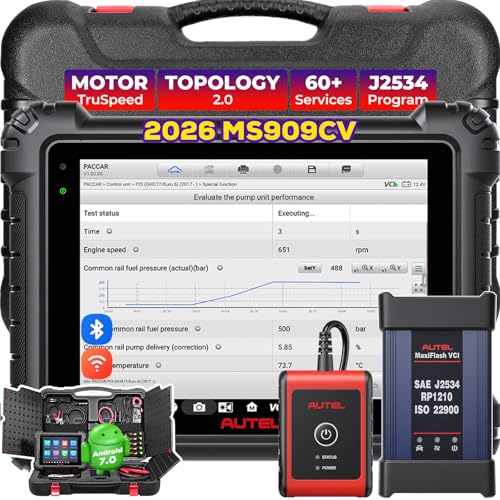
Renogy 10AWG Solar Extension Cable with MC4 Connectors
Renogy ships this as a matched red and black pair, with female and male MC4 ends already moulded on. Tinned copper stranding survives standing roof water better than bare copper does. At 10AWG, loss stays small across the ten to twenty foot runs most RV roofs need.
Pros
- MC4 ends seat firmly on Renogy panels
- Tinned strands resist roof moisture corrosion
- Red and black leads supplied together
Cons
- Stiffens in cold, awkward in tight channels
- Costs more per foot than generic cable

BougeRV 10AWG 20ft Solar Extension Cable
Twenty feet per lead leaves room to route around a roof vent and down through a gland. Gauge holds at 10AWG, so a 200 watt array gives up little across that distance. Moulded MC4 ends on both cables remove the crimping step owners usually dread.
Pros
- Reaches from roof to an under-bench controller
- No crimping or connector assembly required
- Strong cost per foot at this gauge
Cons
- Spare length needs somewhere to coil
- Jacket scuffs against roof edges
ECO-WORTHY 10AWG Solar Extension Cable with MC4 Connectors
ECO-WORTHY targets the panel-to-combiner or combiner-to-gland hop, where ten feet does the job. Gauge and connector standard match the pricier pairs exactly. Owners note the moulded MC4 ends grip tighter than Renogy’s, so an MC4 spanner becomes necessary.
Pros
- Cheapest path to a true 10AWG run
- IP67 seal once the connectors click home
- Flexible enough for tight roof bends
Cons
- Ten feet falls short on many roof layouts
- Unmating needs an MC4 spanner

WindyNation 10AWG 40ft MC4 Solar Extension Cable
Forty feet answers the motorhome layout where a controller sits at the opposite end from the array. Drop grows across that distance, so a series string suits it better than a single 12V panel. WindyNation supplies both polarities with MC4 ends already fitted.
Pros
- Reaches controllers mounted far from the panels
- Avoids splicing two shorter leads together
- Jacket rated for continuous sun exposure
Cons
- Voltage drop is real at 12V over 40 feet
- Bulky coil to store if you need only half

EcoFlow Solar Extension Cable MC4 to MC4
Folding panel outside, power station inside: that setup needs length rather than permanent wiring. EcoFlow keeps MC4 on both ends, so the lead drops between a panel and the station’s own adapter. Jacket stays supple enough to coil back into a bag.
Pros
- Matches EcoFlow folding panel kits
- Stays flexible in cool weather
- Stows easily between trips
Cons
- Not built for permanent roof mounting
- Shorter than dedicated roof run cable

iGreely 8AWG Solar Extension Cable with MC4 Connectors
Moving from 10AWG to 8AWG cuts resistance by roughly a third. That matters once an array clears 400 watts or a run passes thirty feet. Standard MC4 ends let it drop into existing wiring, though the extra copper fights you at a gland.
Pros
- Lower drop on high current arrays
- Headroom to add panels later
- Standard MC4 fit despite the heavier gauge
Cons
- Stiff and slow to route
- Overkill behind a single 100 watt panel

Jackery Solar Panel Connector Extension Cable
Jackery panels use a proprietary connector, so third party MC4 leads need an adapter to join the chain. This cable is cut for that ecosystem: a SolarSaga panel can sit in full sun while the station stays shaded. Outside Jackery kit, its usefulness falls away.
Pros
- Plugs straight into Jackery SolarSaga panels
- Lets the power station sit in shade
- Light enough for a panel carry bag
Cons
- Little use beyond the Jackery ecosystem
- No MC4 ends without an adapter
How they compare
| # | Model | Conductor | Best for | Score | Price |
|---|---|---|---|---|---|
| 1 | Renogy 10AWG Solar Extension Cable with MC4 Connectors | 10 AWG tinned copper | Best overall | 9.4 | Check price |
| 2 | BougeRV 10AWG 20ft Solar Extension Cable | 10 AWG copper | Best value | 9.2 | Check price |
| 3 | ECO-WORTHY 10AWG Solar Extension Cable with MC4 Connectors | 10 AWG copper | Best budget | 9.0 | Check price |
| 4 | WindyNation 10AWG 40ft MC4 Solar Extension Cable | 10 AWG copper | Best for long roof to battery runs | 8.7 | Check price |
| 5 | EcoFlow Solar Extension Cable MC4 to MC4 | Copper, flexible strand | Best for portable power stations | 8.5 | Check price |
| 6 | iGreely 8AWG Solar Extension Cable with MC4 Connectors | 8 AWG copper | Best for larger arrays | 8.3 | Check price |
| 7 | Jackery Solar Panel Connector Extension Cable | Jackery SolarSaga panel to power station | Best for Jackery SolarSaga setups | 8.0 | Check price |
How to choose
How to size solar extension cable for an RV Voltage drop is the whole question. Current, distance and conductor area set the loss, and anything past roughly three percent wastes panel output. On a 12V system, 10AWG handles most runs under twenty feet at moderate current. Add panels or stretch the distance, and 8AWG repays its stiffness. Wiring panels in series lifts voltage and cuts current, which shrinks loss on a long run more cheaply than upsizing the wire.
MC4 and other solar connector types explained MC4 became the default on rigid and folding panels, and a mated pair seals to IP67. Portable power stations break that pattern: Jackery, EcoFlow and others fit proprietary plugs or Anderson connectors. Check what leaves the panel and what enters the charge controller before ordering anything. Buy an MC4 spanner too. Properly seated connectors will not separate by hand, and yanking them damages the seal.
Permanent roof arrays versus portable panels Roof installs want tinned copper, a UV rated jacket and a length cut close to the real distance. Portable rigs care about flexibility, coiling and connectors that match the power station. Renogy, BougeRV and WindyNation cover the fixed case, while EcoFlow and Jackery cover the folding one. Mixing the two usually means an adapter, and every adapter adds a joint that can heat up or let water in.
Routing a solar cable through an RV roof Cables enter through a gland or a cable entry housing, bedded in self-levelling lap sealant. Leave a drip loop under the entry so water runs off instead of tracking inside. Clamp the run every couple of feet, since a loose cable slapping at highway speed wears through its jacket. Keep the route clear of exhaust heat and sharp metal edges beneath the floor.
Common questions
What gauge solar extension cable do I need for an RV?
10AWG suits most 100 to 300 watt arrays over runs up to about twenty feet. Step to 8AWG for bigger arrays or longer distances, where drop begins eating usable output.
Can I use a longer solar cable without losing power?
Some loss is unavoidable. Doubling the length doubles the drop at a given gauge. Wiring panels in series raises voltage and lowers current, which keeps loss small even over forty feet.
Are all MC4 connectors compatible with each other?
Genuine MC4 parts mate reliably. Look-alike connectors from different makers can sit loosely, and a loose contact means heat and arcing. Sticking to one brand across a run avoids the problem.
How do you run a solar cable into an RV?
Fit a roof cable entry gland, seal it with self-levelling lap sealant and leave a drip loop below it. Clamp the cable along the route so nothing flaps at speed.
Is tinned copper worth it for solar cable?
On a roof, yes. Tinning slows corrosion where moisture collects around terminations. Renogy’s lead uses tinned strands, which is part of why it heads this list.
Can these cables charge a portable power station?
Only when the connectors match. EcoFlow and Jackery fit their own plugs, so buy the matching lead rather than assuming MC4 will mate.
What does the 1000V DC rating on solar cable mean?
That figure is the insulation limit, not an operating voltage. RV arrays run far below it, so the rating simply confirms photovoltaic grade construction.
Should I buy one cable or a red and black pair?
Buy the pair. A solar run needs positive and negative, and colour coding stops a reversed connection at the charge controller.
Is 8AWG better than 10AWG for RV solar?
Only past a point. 8AWG cuts resistance by roughly a third, which pays off above 400 watts or beyond thirty feet. Below that, extra stiffness makes routing harder for no real gain.
Can solar extension cable run under the RV floor?
Photovoltaic cable is rated for sun and weather, not for burial or constant abrasion. Sleeve it in split loom or conduit underneath, clipped away from exhaust heat and suspension movement.
The bottom line
Fit Renogy’s 10AWG MC4 lead on a typical RV roof array, since tinned copper and a UV rated jacket handle permanent outdoor exposure. Anyone running forty feet back to a rear-mounted controller should choose the iGreely 8AWG instead of accepting the drop. Folding panels and a portable station change the answer completely: buy the lead matched to your EcoFlow or Jackery kit.
Tony Russo
Tony trained as an automotive technician and spent years in service and parts retail before moving into writing. He focuses on garage tools, car care products and accessories from a hands-on maintenance perspective.