Soft Coolers Ranked by Ice Life, Zippers and Carry
Yeti’s Hopper Flip 12 is the benchmark soft cooler for leakproof build quality. RTIC’s Soft Pack 20 delivers most of that performance for less, and the Engel HD30 leads outright ice retention. Together they cover day trips, boat outings and weekend hauls.
Buy the Yeti Hopper Flip 12 if you want one soft cooler that does everything well, and step up to the Engel HD30 when trips stretch past two days. Budget shoppers get honest performance from the RTIC Soft Pack 20.
Insulation thickness, zipper type and seam construction rarely appear up front on a listing, yet those specs decide real ice retention. We compared closed-cell foam thickness, waterproof zipper designs, welded versus sewn seams, and multi-day owner reports to rank these seven.
What we recommend
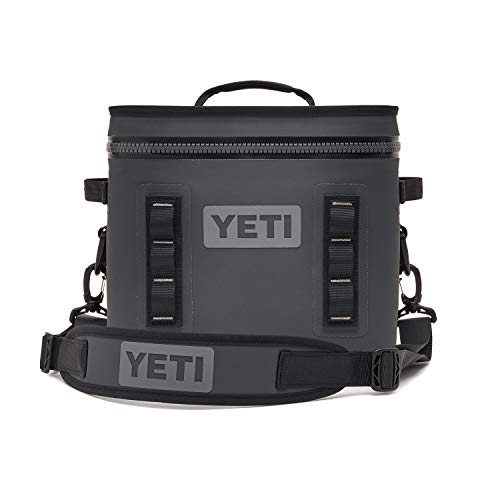
YETI Hopper Flip 12
Closed-cell foam walls and the HydroLok zipper make this cooler genuinely leakproof, even lying on its side in a car. A DryHide shell resists punctures, UV and mildew through seasons of boat and beach use. The cube shape holds around 12 cans with ice and slots neatly behind a truck seat.
Pros
- Zipper seals watertight in any orientation
- Shell shrugs off hooks, rocks and UV
- Wide opening makes packing and finding cans easy
Cons
- Stiff zipper needs two hands and occasional lubricant
- Small capacity for family outings

RTIC Soft Pack 20
Two inches of closed-cell foam and a waterproof zipper put this cooler close to premium territory. Welded seams keep melt water inside, and the exterior floats if it goes overboard. Owners report ice surviving two days and beyond in moderate heat when packed properly.
Pros
- Multi-day ice at a mid-tier outlay
- Floats, useful on boats and river trips
- Antimicrobial liner wipes clean fast
Cons
- Zipper stiffness matches the premium brands
- Shoulder strap padding is thin for full loads

Engel HD30 Waterproof Soft Cooler
Thick foam and a vacuum-style waterproof zipper give the HD30 the longest ice life in this group. Independent owner reports commonly cite three to four days of ice in real conditions. A stiffened body stands open for one-handed loading, and it doubles as dry storage for electronics.
Pros
- Longest real-world ice life here
- Airtight body keeps splash out on boats
- Holds its shape while you pack
Cons
- Heavier empty than tote-style rivals
- Airtight zipper takes effort until broken in

IceMule Pro Backpack Cooler 23L
A roll-top closure eliminates the zipper entirely, sealing like a dry bag and never wearing out. Padded backpack straps carry 23 liters of drinks and ice down long beach walks or portages. Welded seams and an air valve let the whole cooler float alongside a kayak.
Pros
- Frees both hands for chairs and kids
- No zipper to jam, leak or lubricate
- Collapses flat for storage
Cons
- Roll-top slows repeated in-and-out access
- No exterior pockets on this model

Arctic Zone Titan Deep Freeze 30-Can Cooler
A removable rigid liner keeps sandwiches from being crushed under drinks, something no other cooler here offers. Deep Freeze insulation and a radiant heat barrier hold safe temperatures through a day outing. The zipperless flip lid opens instantly, which suits frequent access at picnics and sidelines.
Pros
- Rigid shelf protects soft food
- Lid opens one-handed without a zipper
- Light to carry compared to premium foam coolers
Cons
- Ice life trails the Yeti and Engel by a wide margin
- Flip lid seal weakens if overstuffed

Hydro Flask 20 L Day Escape Soft Cooler Pack
Hydro Flask keeps the weight down while still using a watertight zipper and welded construction. It carries as a comfortable backpack for hikes to swimming holes and outdoor concerts. Cold retention covers a long day, around 36 hours by the brand’s rating, rather than a full weekend.
Pros
- One of the lightest welded coolers available
- Comfortable straps for real hiking distance
- Exterior daisy chains lash extra gear
Cons
- Not built for multi-day ice
- Thin base padding on rocky ground

Coleman Chiller 30-Can Soft Cooler
For lunches, short park trips and grocery runs, this simple cooler does the job at a fraction of premium pricing. A heat-welded liner resists leaks, and the front pocket stores napkins and utensils. Expect ice to last through a day, not a weekend, and pack accordingly.
Pros
- Very low cost of entry
- Light and easy to fold into a closet
- Enough room for a family day trip
Cons
- Thin insulation limits ice to about a day
- Standard zipper lets air and drips escape when tipped
Before you buy
What matters most when choosing a soft sided cooler? Insulation type decides everything else. Closed-cell foam, used by Yeti, RTIC and Engel, dramatically outperforms the thin open-cell padding in bag-style coolers. Next comes the closure, since a waterproof zipper or roll-top keeps cold air and melt water inside. Seam construction counts too, because welded seams outlast sewn ones. Match capacity to your actual outings rather than the biggest size on the shelf.
Soft cooler vs hard cooler, which one fits your trip? Soft coolers win on weight, carry comfort and storage, folding away between trips where a hard cooler eats garage space. Hard coolers still rule for week-long trips, rough handling and keeping bears out. A premium soft cooler like the Hopper Flip 12 holds ice just as long as many mid-tier hard boxes for a beach afternoon, a boat day or a tailgate. Many households end up owning one of each.
Which soft cooler holds up best on boats and beaches? Salt, sun and constant splashing punish cheap materials, so look for UV-resistant shells and watertight closures. The Engel HD30 seals airtight against spray, and the IceMule Pro floats if it goes over the side. Sand is the beach’s real enemy, and roll-top or flip-lid designs tolerate grit better than fine zipper teeth. Rinse any cooler with fresh water after salt exposure to protect the closure.
How can you make ice last longer inside a soft cooler? Pre-chill the cooler with a sacrificial bag of ice or frozen water bottles an hour before packing. Use a 2 to 1 ratio of ice to contents, and start with cold drinks rather than warm ones. Keep the cooler shaded and closed, since every unzip dumps cold air. Block ice and frozen bottles melt slower than cubes and leave drinkable water at the end.
The lineup, side by side
| # | Model | Capacity | Best for | Score | Price |
|---|---|---|---|---|---|
| 1 | YETI Hopper Flip 12 | About 12 cans plus ice | Best overall | 9.4 | Check price |
| 2 | RTIC Soft Pack 20 | 20 cans plus ice | Best value | 9.2 | Check price |
| 3 | Engel HD30 Waterproof Soft Cooler | About 24 cans plus ice | Best ice retention | 9.0 | Check price |
| 4 | IceMule Pro Backpack Cooler 23L | 23 L, about 18 cans plus ice | Best backpack style | 8.8 | Check price |
| 5 | Arctic Zone Titan Deep Freeze 30-Can Cooler | 30 cans | Best for groceries and picnics | 8.6 | Check price |
| 6 | Hydro Flask 20 L Day Escape Soft Cooler Pack | 20 L, about 24 cans | Best lightweight day pack | 8.3 | Check price |
| 7 | Coleman Chiller 30-Can Soft Cooler | 30 cans | Best budget | 8.0 | Check price |
Common questions
How long does ice last in a soft sided cooler?
Premium foam coolers like the Engel HD30 and Yeti Hopper Flip hold ice two to four days in real conditions. Budget models with thin insulation, such as basic Coleman bags, manage roughly a day.
Is a soft cooler worth it over a cheap hard cooler?
For carrying comfort and storage, yes. A welded soft cooler matches mid-range hard coolers on ice life while weighing far less, folding flat, and fitting behind a car seat.
Can a soft sided cooler leak?
Models with waterproof zippers and welded seams, including the Hopper Flip 12 and RTIC Soft Pack, hold melt water even on their side. Standard-zipper bags will drip when tipped.
What size soft cooler should you buy?
A 12-can cooler suits couples and short outings, 20 to 24 cans covers small groups for a day, and 30-can models handle family picnics. Remember ice occupies roughly half the packed space.
Which soft cooler is best for a boat?
Pick one that seals airtight and floats, like the Engel HD30 or IceMule Pro. UV-resistant shells matter on open decks, and light colors absorb less heat in direct sun.
Is a backpack cooler better than a shoulder-strap cooler?
For walks over a few hundred yards, yes. Backpack designs such as the IceMule Pro and Hydro Flask Day Escape distribute weight across both shoulders and free your hands for chairs and gear.
How do you clean a soft sided cooler?
Empty it, wipe the liner with warm water and mild soap, then dry fully open before storage. Baking soda paste removes odors, and zipper lubricant keeps waterproof closures moving smoothly.
Can soft coolers keep food safe overnight?
Yes, provided ice remains and the food stays at or below 40 F. Pack perishables at the bottom against the ice, and use a fridge thermometer inside for overnight trips.
Do soft coolers float if they go overboard?
Some do. The IceMule Pro and RTIC Soft Pack both float when sealed and loaded normally, which matters for kayak, canoe and boat trips near open water.
What is the difference between welded and sewn seams?
Welded seams fuse the material with heat, leaving no needle holes for water to enter. Sewn seams are cheaper to produce but slowly wick moisture and eventually weaken with repeated soaking.
Final word
The Yeti Hopper Flip 12 earns the top spot by doing everything a soft cooler should with no leaks and no babying. Spend less without giving up much by choosing the RTIC Soft Pack 20, or chase maximum ice life with the Engel HD30. Casual picnickers can skip the premium tier entirely and be happy with the Arctic Zone Titan.
Sierra Daniels
Sierra's background is in landscape design and nursery retail. She focuses on lawn and garden equipment, outdoor furniture and gear durability, weighing published specs against how materials actually hold up outside.

