Which Soccer Cleats Fit Your Position and Surface?
adidas Predator 24 League Firm Ground tops this list for its grip enhancing upper and forgiving fit. Nike Phantom GX 2 Academy suits players chasing a closer touch on the ball. Nike Tiempo Legend 10 Club is the comfort pick for wide feet and long matches.
Most club players on natural grass do best with the adidas Predator 24 League Firm Ground, which balances grip, comfort and durability. Nike Phantom GX 2 Academy rewards tighter touch and quicker feet. Nike Tiempo Legend 10 Club is the softest option for wide feet or players who dislike breaking in new boots.
Buying a silhouette seen on television without checking the soleplate against your actual surface is the most common cleat mistake. Stud pattern is a safety issue as much as a performance one, and last width varies more between brands than any size chart admits. We compared soleplate types, upper materials, published fit guidance and owner feedback on break in and durability.
Our top picks
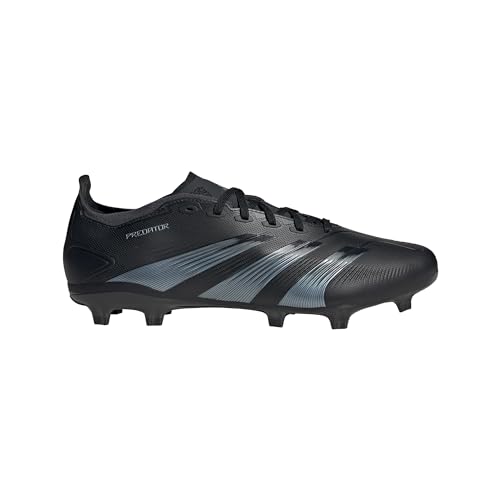
adidas Predator 24 League Firm Ground
Textured strike zones built the Predator’s reputation, and this generation keeps that grip without the rubber slabs of older versions. A firm ground soleplate suits natural grass in most conditions, and the fit runs more forgiving than the racing lasts elsewhere in the adidas range. Owners report a short break in of just a few sessions.
Pros
- Textured upper helps grip in wet conditions
- More forgiving width than premium adidas lasts
- Short break in period
Cons
- Not suitable for artificial turf soleplate wise
- Textured upper collects mud

Nike Phantom GX 2 Academy
A snug forefoot and thin upper define the Phantom family, putting the foot close to the ball for maximum feel. Attacking midfielders and anyone who values touch over cushioning suit it best. Narrow fit means wide footed players should look at the Tiempo instead.
Pros
- Excellent ball feel through a thin upper
- Clean strike surface from offset lacing
- Light on the foot over ninety minutes
Cons
- Too narrow for wide feet
- Thin upper offers little protection

Nike Tiempo Legend 10 Club
Comfort defines the Tiempo, with a softer upper that molds to the foot instead of demanding the foot adapt to it. Defenders and players logging long minutes usually get on best with it. Club level synthetic leather needs less care than full kangaroo leather while keeping most of its give.
Pros
- Most forgiving fit for wide feet
- Minimal break in discomfort
- Soft touch on first contact
Cons
- Heavier than speed focused models
- Softer upper stretches over a season

adidas Copa Pure 2 League Firm Ground
adidas answers the Tiempo brief here with a soft upper and a fold over tongue that gives a clean striking surface. Fit sits between the narrow Predator lasts and the roomier Tiempo. Owners report it as the most comfortable adidas option straight out of the box.
Pros
- Comfortable from the first session
- Fold over tongue cleans up the strike zone
- Balanced width for most feet
Cons
- Fold over tongue is not for everyone
- Less grip texture than the Predator

Puma Future 7 Play Firm Ground
Puma has quietly built one of the better fitting ranges, and the Future 7 Play brings its adaptive forefoot idea down to a sensible price. A stretchy panel lets the shoe accommodate a range of foot shapes without lacing pressure. Traction on the firm ground plate stays confident on dry and slightly damp grass.
Pros
- Adapts to a wide range of foot shapes
- Light without feeling flimsy
- Good grip on dry and damp grass
Cons
- Knit sections soak up water
- Less structured than leather uppers

New Balance Furon v7 Dispatch Firm Ground
New Balance aims the Furon at players who live on the shoulder of the last defender, with a stiff lightweight plate that returns energy on push off. Fit runs snug through the midfoot and true to length. A firmer ride than the leather options is the trade for that responsiveness.
Pros
- Responsive plate for acceleration
- Very light on the foot
- Sizing runs predictably true
Cons
- Stiff ride on hard ground
- Minimal cushioning underfoot

Mizuno Morelia Neo IV Beta Firm Ground
Mizuno keeps building traditional leather cleats when most brands have moved on, and the Morelia has earned a devoted following because of it. The upper softens quickly and a low profile plate keeps the foot close to the ground. Availability moves in and out of stock, marking this as a specialist choice.
Pros
- Leather softens to the shape of your foot
- Excellent ground feel
- Light for a leather cleat
Cons
- Leather needs drying and conditioning
- Stock availability is inconsistent
The lineup, side by side
| # | Model | Surface | Best for | Score | Price |
|---|---|---|---|---|---|
| 1 | adidas Predator 24 League Firm Ground | Firm ground natural grass | Best overall | 9.4 | Check price |
| 2 | Nike Phantom GX 2 Academy | Firm ground | Best for touch | 9.2 | Check price |
| 3 | Nike Tiempo Legend 10 Club | Firm ground | Best for wide feet | 9.0 | Check price |
| 4 | adidas Copa Pure 2 League Firm Ground | Firm ground | Best comfort and control | 8.8 | Check price |
| 5 | Puma Future 7 Play Firm Ground | Firm ground | Best value | 8.6 | Check price |
| 6 | New Balance Furon v7 Dispatch Firm Ground | Firm ground | Best for speed play | 8.3 | Check price |
| 7 | Mizuno Morelia Neo IV Beta Firm Ground | Firm ground | Best leather feel | 8.0 | Check price |
What to look for
Which soleplate matches your playing surface? Firm ground plates with bladed or conical studs suit natural grass. Artificial ground plates use shorter, more numerous studs to spread load on synthetic turf, and turf shoes rely on rubber nubs for older carpet style surfaces. Wearing firm ground cleats on artificial turf raises stud pressure and joint stress, and it can void a warranty.
Does width matter more than length in soccer cleats? Most fitting complaints trace back to width rather than size. Nike Phantom and adidas speed lasts run narrow, Tiempo and Copa models run roomier, and Puma and New Balance sit in the middle. Measure the widest part of your foot and check brand fit notes rather than assuming a usual sneaker size transfers directly.
How does playing position change what to look for? Attacking players usually want a thin upper and a light plate for touch and acceleration. Defenders and holding midfielders tend to benefit from softer leather and more protection, since they see more contact. Goalkeepers want grip and comfort above all else. Buy for how you actually play rather than for the model a favorite player wears.
How should new cleats be broken in and dried? Synthetic uppers need only a couple of sessions, while leather takes longer and rewards patience. Never dry cleats on a radiator, since heat shrinks and cracks uppers and can loosen the soleplate bond. Loosely stuffed newspaper at room temperature keeps cleats usable for multiple seasons.
Questions worth asking
Can I wear firm ground cleats on artificial turf?
It is not recommended. Firm ground studs are longer and fewer, so they concentrate pressure on unforgiving synthetic surfaces and raise the load on knees and ankles. Many manufacturers exclude turf use from their warranty, so artificial ground or turf specific shoes are the correct pick.
How should soccer cleats fit?
Snug, with roughly a thumb width or slightly less at the toe, no heel slip and no pinching across the widest part of the foot. Cleats fit closer than running shoes by design, since a loose boot costs control. Leather stretches slightly, synthetics barely at all.
How long do soccer cleats last?
A season of regular club level play is typical, with soleplate flex points and stitching around the toe usually failing first. Abrasive surfaces shorten that considerably. Rotating two pairs across a busy season noticeably extends the life of both.
Are leather or synthetic uppers better?
Leather molds to the foot and feels softer on first touch, but it stretches, absorbs water and needs conditioning. Synthetics hold their shape, stay lighter in the wet and need less care, at some cost to comfort. Wide footed owners often prefer leather, and speed focused players lean synthetic.
Do I need different cleats for wet conditions?
Not usually, since firm ground plates handle most wet grass fine. Genuinely soft, muddy pitches call for soft ground cleats with fewer, longer metal studs that dig in. Treat those as a specialist second pair rather than an everyday choice, since they are unsafe on dry ground.
How do I break in new cleats?
Wear them around the house with match socks for short periods, then use them for a light training session before a full match. Damp conditions help leather mold faster. Skip the old advice about soaking boots in water, which weakens adhesives and shortens the shoe’s life.
Should kids get room to grow in soccer cleats?
A small amount, but not much. Cleats that are too long cause blisters and rob control, and oversized boots make children trip more. Half a size of growing room is a reasonable compromise, and checking fit every few months matters more than buying a full season ahead.
How do I clean cleats after a muddy match?
Knock off loose mud on a hard edge, then brush the upper and soleplate with a soft brush and cool water. Remove insoles, stuff loosely with newspaper and dry at room temperature away from heat. Condition leather uppers occasionally to stop cracking as they dry.
Nike Phantom GX 2 Academy vs Nike Tiempo Legend 10 Club: which fits better?
Phantom runs narrow with a thin upper built for touch and speed. Tiempo runs roomier with a softer leather upper built for comfort over long minutes. Wide footed players and defenders generally get on better with the Tiempo.
Final word
adidas Predator 24 League Firm Ground suits the widest range of club players, balancing grip, comfort and a short break in. Choose the Nike Phantom GX 2 Academy for a close, fast fit. Wide footed players and anyone playing full matches should start with the Nike Tiempo Legend 10 Club.
Derek Holt
Derek has a background coaching recreational and amateur athletes and has worked the sales floor at specialty fitness retailers. He focuses on equipment durability, ergonomics and realistic use cases rather than marketing claims.


