Soccer Balls Built to Survive Grass, Turf, and Gravel
The Adidas MLS Club Ball leads this group for balanced construction and steady flight on grass and turf. The Nike Pitch Team fits budget-conscious buyers who still want durable stitching, and the Select Numero 10 holds its shape better than softer balls on hard, dry pitches.
Grass and light turf favor the Adidas MLS Club Ball above the rest of this group. Machine-stitched TPU panels and a butyl bladder keep air pressure stable for weeks of regular play. Recreational adults and club players get reliable flight from it without match-grade pricing. Heavy gravel still scuffs its panels faster than a hand-stitched ball would.
Panel material, bladder type, and surface interact differently across grass, turf, and gravel, which makes one universal pick difficult. We compared listed specifications, owner feedback on durability, and price tier across all seven picks.
What to look for
What to look for in an outdoor soccer ball Panel material, bladder type, and surface durability matter most for outdoor play. TPU and synthetic PU panels resist abrasion better than basic rubber covers. Butyl bladders hold air longer than latex, though latex often feels livelier off the foot. Certification labels like FIFA Quality Pro signal tighter roundness tolerances, but they add cost.
Which soccer ball size fits which age group Size 3 fits players under age 8, with a lighter build for early skill work. Size 4 suits ages 8 to 12, balancing weight and control as kids grow. Size 5 is standard for teens and adults, matching official match dimensions. Buying one size too large can slow a young player’s touch and passing accuracy.
How turf and hard ground affect ball durability Artificial turf and hard-packed dirt wear down soft panels faster than natural grass. Reinforced synthetic covers, like those on the Select Numero 10, resist scuffing on these surfaces. Gravel and asphalt accelerate wear on any ball, regardless of price tier. Rotating between two balls extends the life of each one during heavy outdoor use.
Panel construction and water resistance explained Hand-stitched panels, as on the Baden Perfection, seal seams tighter than machine-stitched alternatives. Thermally bonded construction reduces water absorption during rain or wet grass play. Machine-stitched TPU panels, like those on the Adidas MLS Club Ball, still resist moisture better than basic PU covers. A waterlogged ball gains weight and changes flight mid-match.
The best picks, ranked
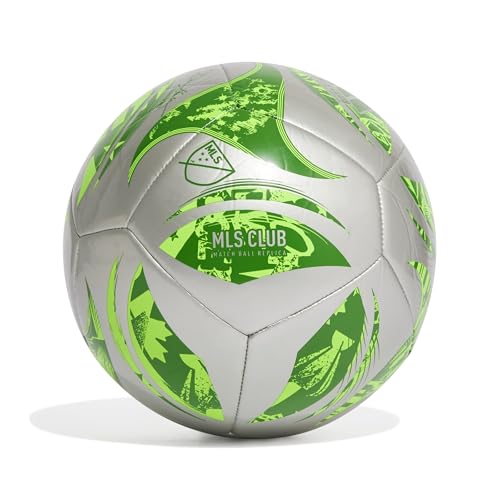
Adidas MLS Club Ball
Machine-stitched TPU panels and a butyl bladder hold pressure through extended outdoor sessions. Adidas sizes this ball at size 5 for adult and teen play on grass or firm turf. Owners report consistent bounce after weeks of regular use.
Pros
- Holds air pressure for weeks between pumps
- Consistent flight on grass and firm turf
- Stitched seams resist splitting under regular use
Cons
- Not built for concrete or asphalt play
- Costs more than basic training balls

Nike Pitch Team
A textured synthetic casing pairs with machine-stitched panels for grip in wet conditions. Nike ships this ball in size 5 for training or casual match play on grass fields. The casing resists scuffing better than entry-level balls in its price range.
Pros
- Textured cover improves grip in wet weather
- Balanced weight suits training and matches alike
- Replacement sizes stay widely available
Cons
- Bladder loses pressure faster than premium models
- Color options stay limited

Franklin Sports Competition 100
A synthetic PU cover sits over a rubber bladder, keeping cost low for casual outdoor use. Franklin sizes it at size 5 for backyard games or beginner practice. The rubber bladder needs more frequent reinflation than butyl alternatives.
Pros
- Affordable entry point for new players
- Lightweight build suits younger or casual players
- Bright colorways improve visibility on the field
Cons
- Rubber bladder loses air faster than butyl
- Cover wears down faster on rough ground
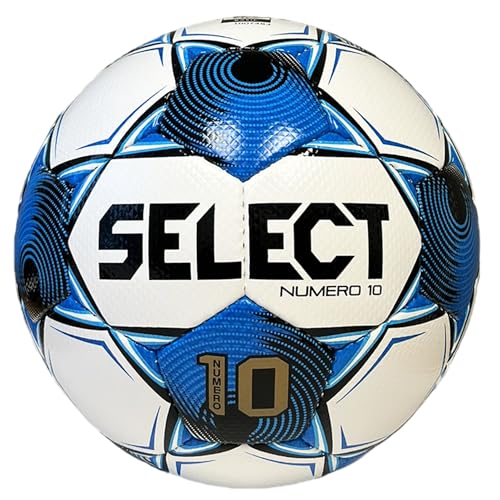
Select Numero 10
Reinforced synthetic panels resist abrasion on artificial turf and hard-packed dirt. This size 5 ball uses a latex bladder for a livelier touch than butyl versions. Owners report the seams stay intact after regular turf sessions.
Pros
- Reinforced panels resist turf abrasion
- Latex bladder delivers a livelier touch off the foot
- Reinforced seams reduce splitting over time
Cons
- Latex bladder needs more frequent pumping
- Firmer feel than butyl-bladder balls

Wilson Team Soccer Ball
Wilson sizes this ball at size 4, matched to recommended sizing for players aged 8 to 12. Machine-stitched synthetic panels keep weight consistent for developing control skills. The lighter build suits smaller fields and shorter practice sessions.
Pros
- Sized correctly for ages 8 to 12
- Lighter weight supports skill development
- Butyl bladder holds air well between sessions
Cons
- Not sized for teens or adults
- Panel padding runs thinner than club-level balls

SKLZ Golden Goal
SKLZ builds this size 5 training ball with a slightly textured cover for repetitive shooting and passing drills. Weight distribution stays consistent through hundreds of touches per session, according to the listing. Leagues will not approve it for official games, since it carries no match certification.
Pros
- Weight stays consistent through repetitive drills
- Textured cover aids passing accuracy
- Durable enough for daily practice sessions
Cons
- Carries no certification for official matches
- Flight feels less refined than match balls
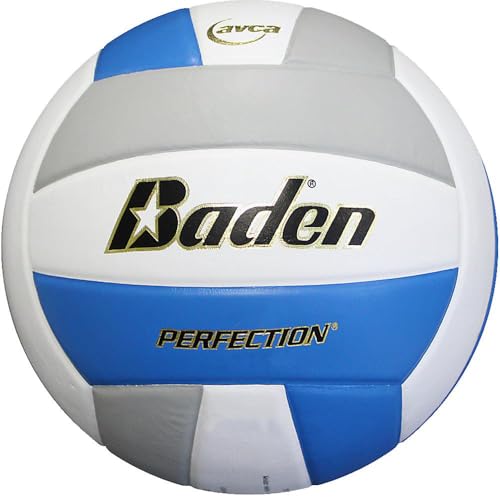
Baden Perfection
Baden built this ball with hand-stitched, thermally bonded panels for precise roundness, carrying FIFA Quality Pro certification. Its size 5 butyl bladder holds pressure through full matches on grass. Higher panel density reduces water absorption during wet-field play.
Pros
- Carries FIFA Quality Pro certification
- Low water absorption keeps weight stable in wet weather
- Precise roundness suits match referee standards
Cons
- Priced above casual training balls
- Needs more careful storage to protect panels
Compared at a glance
| # | Model | Size | Best for | Score | Price |
|---|---|---|---|---|---|
| 1 | Adidas MLS Club Ball | 5 | Best overall | 9.4 | Check price |
| 2 | Nike Pitch Team | 5 | Best value | 9.1 | Check price |
| 3 | Franklin Sports Competition 100 | 5 | Best budget | 8.8 | Check price |
| 4 | Select Numero 10 | 5 | Best for turf and hard ground | 8.6 | Check price |
| 5 | Wilson Team Soccer Ball | 4 | Best for youth players | 8.4 | Check price |
| 6 | SKLZ Golden Goal | 5 | Best for training and practice | 8.2 | Check price |
| 7 | Baden Perfection | 5 | Best for match play | 8.0 | Check price |
Good to know
What size soccer ball do I need for outdoor play?
Adults and teens use size 5 for outdoor matches and training. Younger players aged 8 to 12 typically use size 4, while under-8 players use size 3.
Soccer ball size 4 vs size 5, what’s the difference?
Size 4 measures about 25 inches in circumference and weighs less, suited to ages 8 to 12. Size 5 measures about 27 to 28 inches and matches official adult match specifications.
Can indoor and outdoor soccer balls be used interchangeably?
Indoor balls use a felt or low-bounce cover suited to hard court surfaces. Outdoor balls use TPU or synthetic PU panels built to handle grass, turf, and gravel. Using an indoor ball outdoors wears down its cover quickly.
Which soccer ball is best for turf fields?
The Select Numero 10 uses reinforced synthetic panels designed to resist turf abrasion. Its latex bladder also gives a livelier touch on firmer artificial surfaces.
Is a FIFA-certified ball worth the extra cost?
FIFA Quality Pro balls like the Baden Perfection meet stricter roundness and water absorption standards. Casual players may not notice the difference, but competitive match players benefit from the consistency.
How do you know when to replace a worn outdoor soccer ball?
Check for visible panel separation, flat spots, or a bladder that no longer holds air overnight. Losing shape after inflation is a clear sign the panels have broken down.
What’s the best soccer ball for youth players?
The Wilson Team ball comes in size 4, matched to recommended sizing for ages 8 to 12. Its lighter build helps younger players develop control before moving up to size 5.
Do more panels make a soccer ball better?
Panel count affects roundness and seam count more than raw performance. A 32-panel design is common, but bladder type and stitching quality matter more for outdoor durability.
What’s the best soccer ball for practicing alone?
The SKLZ Golden Goal keeps consistent weight through repetitive shooting and passing drills, which suits solo practice sessions. It carries no match certification, so leagues will not approve it for official games.
Our pick
The Adidas MLS Club Ball remains the strongest all-around pick for grass and light turf, pairing a stable butyl bladder with machine-stitched TPU panels. Players on artificial turf or hard-packed fields should choose the Select Numero 10 instead, since its reinforced panels resist abrasion better. Budget-focused buyers or parents outfitting a first ball can start with the Franklin Sports Competition 100.
Derek Holt
Derek has a background coaching recreational and amateur athletes and has worked the sales floor at specialty fitness retailers. He focuses on equipment durability, ergonomics and realistic use cases rather than marketing claims.


