Soap Making Kits for First Batches, Kids, and Small Sellers
Nature’s Garden Soap Making Kit stands out overall, pairing a pre-measured glycerin base with four fragrance oils for finished bars in an afternoon. Makers who want full ingredient control should try Bramble Berry’s Cold Process Lye Soap Kit, while the WSP Soap Making Starter Kit gives new hobbyists strong value on a smaller budget.
Nature’s Garden Soap Making Kit leads this list, bundling a pre-measured glycerin base with four fragrance oils for bars finished in one afternoon. Its melt-and-pour format suits anyone who wants quick results without handling lye. Makers chasing full control over hardness or oil blend will find that format limiting.
We compared soap base type, fragrance and mold counts, bar yield, and skill level using product specifications and owner feedback from current listings.
What we recommend

Nature’s Garden Soap Making Kit
A shea butter glycerin base ships alongside fragrance oils, silicone molds, and mica powders in one box. Owners report the pre-measured base cuts cleanup time compared to mixing from raw oils. A printed instruction card walks through melting and pouring temperatures step by step.
Pros
- Pre-measured ingredients reduce guesswork
- Reusable silicone molds included
- Fragrance oils carry skin-safe ratings already
Cons
- Melt-and-pour base limits customization versus cold-process
- Some molds produce thinner bars than standalone mold sets
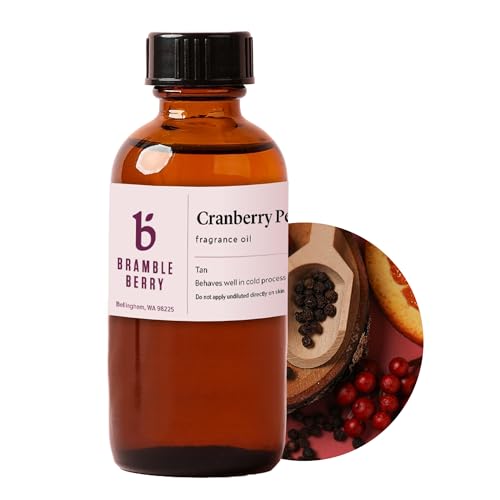
Bramble Berry Cold Process Lye Soap Kit
Raw oils and measured sodium hydroxide replace a pre-made base, so makers control saponification from scratch. Protective gear ships in the box, since lye handling requires care. According to the listing, cure time runs four to six weeks before bars are ready to use.
Pros
- Full control over oil blend and bar hardness
- Safety gear for lye handling included
- Bars tend to outlast melt-and-pour versions
Cons
- Requires a four to six week cure before use
- Lye handling is not suited to young kids

WSP Soap Making Starter Kit
A smaller melt-and-pour base pairs with a digital thermometer, a tool most starter kits skip. Owners report the thermometer helps avoid overheating the base, which dulls fragrance strength. Wholesale Supplies Plus also sells refill base separately, extending this kit into an ongoing hobby.
Pros
- Digital thermometer included at this tier
- Refill base sold separately for repeat batches
- Compact size suits small kitchens
Cons
- Only two fragrance options included
- Smaller bar yield than larger kits
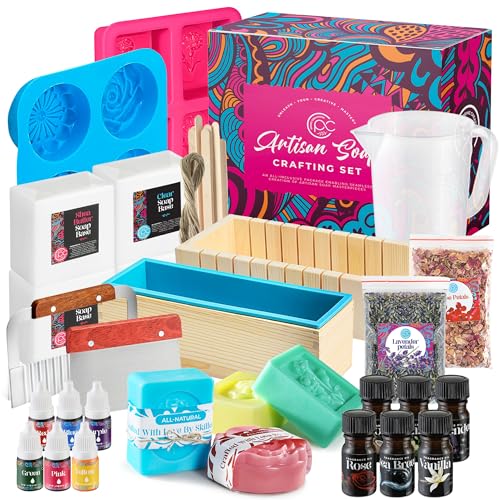
Green Elephant Soap Making Kit for Kids and Adults
Picture-based instructions replace dense text, which suits first-time soap makers. A pre-cut glycerin base pairs with natural mica colorants instead of synthetic dyes. Four mold shapes let beginners experiment with bar sizes in a single session.
Pros
- Picture-guide instructions simplify first attempts
- Natural colorants avoid synthetic dye buildup
- Multiple mold shapes included in one box
Cons
- Fragrance oil selection limited to two scents
- Base quantity runs out after one or two batches

Life of the Party Soap Making Kit
Microwave melting replaces a double-boiler setup here, shortening adult supervision time. Fun-shaped molds and glitter mica appeal to younger crafters more than plain bar molds. The company markets this kit for group or party activities rather than a solo hobby.
Pros
- Microwave melting speeds up the process for kids
- Playful shapes and glitter mica included
- Works well for group activities or parties
Cons
- Glitter mica can clog drains if bars are rinsed near sinks
- Not suited for advanced cold-process learning

Stephenson Melt and Pour Soap Base Kit
Stephenson manufactures its own soap base rather than repackaging another supplier’s block, keeping formulation consistent batch to batch. The kit ships as a large block without molds or fragrance, aimed at makers who already own tools. Owners report this base performs consistently for an Etsy shop or farmers market soap line.
Pros
- Manufacturer-direct base with consistent formulation
- Large yield suits scaling up production
- Works with most standard soap molds already on hand
Cons
- No molds or fragrance included in the box
- Not a beginner all-in-one kit

Nature’s Blossom Soap Making Kit for Adults and Kids
One fragrance oil and two molds keep this box simple, lowering the entry cost compared to multi-scent kits. An included booklet covers melting temperature and pour timing in a few short steps. It suits a single trial batch before committing to a larger kit.
Pros
- Lower entry cost for testing the hobby
- Simple instructions with few steps
- Compact enough for apartment kitchens
Cons
- Only one fragrance oil limits variety
- Smallest bar yield among the kits compared here
The lineup, side by side
| # | Model | Soap base type | Best for | Score | Price |
|---|---|---|---|---|---|
| 1 | Nature’s Garden Soap Making Kit | Melt-and-pour glycerin base | Best overall | 9.4 | Check price |
| 2 | Bramble Berry Cold Process Lye Soap Kit | Raw oils with measured sodium hydroxide lye | Best for cold-process | 9.1 | Check price |
| 3 | WSP Soap Making Starter Kit | Melt-and-pour glycerin base | Best value | 8.8 | Check price |
| 4 | Green Elephant Soap Making Kit for Kids and Adults | Melt-and-pour glycerin base | Best for beginners | 8.6 | Check price |
| 5 | Life of the Party Soap Making Kit | Melt-and-pour glycerin base | Best for kids | 8.4 | Check price |
| 6 | Stephenson Melt and Pour Soap Base Kit | Melt-and-pour glycerin base, bulk block | Best for melt-and-pour | 8.2 | Check price |
| 7 | Nature’s Blossom Soap Making Kit for Adults and Kids | Melt-and-pour glycerin base | Best budget | 8.0 | Check price |
How to pick the right one
What to Look for in a Soap Making Kit Base type comes first: melt-and-pour or raw oils with lye. That choice determines cure time, safety gear needs, and how much you can customize the final bar. Mold and fragrance oil counts vary widely, and some kits ship with only one scent. Skill level printed on the box usually reflects how much measuring and temperature control the process demands.
Melt-and-Pour versus Cold-Process A pre-made glycerin base only needs melting and coloring in melt-and-pour kits. Cold-process kits start from raw oils and sodium hydroxide, which react together to form soap over several weeks. Four to six weeks is the typical cure window before cold-process bars turn mild enough to use. Melt-and-pour bars, in contrast, harden and become usable within a day.
Kits That Work Well for Kids and First-Time Makers Family-oriented kits favor microwave melting over stovetop double boilers, cutting adult supervision time. Picture-based instructions help kids follow steps without reading dense text. Fun-shaped molds and mica glitter appeal to younger users, though adults learning the basics do not need them. A thermometer benefits beginners of any age, since overheating the base weakens fragrance.
Moving from Hobby Kits to Selling Soap Selling soap requires a base source that yields more than a handful of bars. Bulk melt-and-pour blocks sold directly by manufacturers cost less per bar than boxed starter kits. Local regulations often require ingredient labeling and a dedicated production space before soap can go to market. Consistent base formulation matters more at scale, since batch-to-batch changes affect hardness and lather.
Common questions
What is the difference between melt-and-pour and cold-process soap?
Melt-and-pour soap starts from a pre-made glycerin base that only needs melting and coloring. Cold-process soap comes from raw oils and lye, which react together over several weeks to form soap.
How long does cold-process soap take to cure?
Most cold-process bars need four to six weeks to cure fully. Curing lets excess water evaporate, producing a harder, longer-lasting bar.
Can kids safely make soap using a soap making kit?
Melt-and-pour kits are generally safe for kids under adult supervision, since they avoid raw lye. Cold-process kits involve sodium hydroxide and suit teens or adults better.
Is a soap making kit worth it compared to buying bars?
A kit costs more per bar than store soap but lets you control fragrance, color, and ingredients. Owners report the hobby’s value comes from customization, not savings.
What safety gear do lye-based kits require?
Lye-based kits typically include gloves and safety goggles, since sodium hydroxide can burn skin and eyes on contact. Long sleeves and good ventilation help even when gear is included.
How many bars does a typical soap making kit make?
Boxed starter kits usually yield five to ten bars per batch, depending on mold size. Bulk soap base blocks can yield twenty or more bars from a single purchase.
Which soap making kit works best for beginners?
Kits with a pre-measured melt-and-pour base and picture instructions suit first attempts best. Green Elephant and Nature’s Blossom both package smaller batches for a first try.
Can you sell soap made from a starter kit?
Soap made from a starter kit can be sold once it meets local labeling and safety rules. Sellers usually switch to bulk soap base once demand outgrows a boxed kit’s yield.
Melt-and-pour vs cold-process: which lasts longer on the shelf?
Cold-process bars tend to last longer thanks to the saponification process and lower water content after curing. Melt-and-pour bars are ready sooner but can soften faster in humid bathrooms.
What is the best soap making kit for a small business?
Bulk base kits, like the Stephenson Melt and Pour Soap Base Kit, scale better than boxed starter kits for sellers. A larger block lowers cost per bar once production moves beyond a single hobby batch.
Final word
Nature’s Garden Soap Making Kit suits most first-time soap makers who want finished bars without handling lye. Anyone planning to sell soap at markets should start with the Stephenson Melt and Pour Soap Base Kit instead, since its bulk block scales past a single hobby batch. Parents shopping for a kid-friendly project should pick the Life of the Party kit for its microwave melting and shorter supervision time.
Jake Monroe
Jake worked as a residential contractor for over a decade before shifting to full-time writing. He evaluates power tools, hand tools and workshop gear through the lens of someone who has actually used them on job sites, not just read the box.


