Which Snowboards Work Best on Indoor Snow Slopes
The Burton Ripcord suits most riders learning on indoor slopes, the Rossignol Jibsaw fits terrain park practice, and the Indo Board Original Training Package builds balance skills at home. Together they cover riding an actual board indoors and training for it between sessions.
Burton’s Ripcord is the strongest all-around pick for indoor snow dome sessions. Beginners and casual riders get a forgiving board built for short, groomed runs. Soft directional flex is its main advantage; a shape that rides less naturally switch is its main limitation.
Indoor use is a narrow category, since it covers actual snowboards ridden at snow domes and balance trainers used away from snow entirely. We compared manufacturer specs, indoor facility gear guidance, and owner feedback to separate real boards suited to firm artificial snow from trainers built for stance practice.
The shortlist, ranked

Burton Ripcord Snowboard
Burton’s classic directional shape defines the Ripcord, built with a soft flex for easy turn initiation on indoor slopes and dry runs. Its Flat Top profile keeps the base stable underfoot, helping riders hold an edge on the short, consistent pitches typical of snowdome runs. A Fly 900G wood core keeps swing weight low for quick direction changes in tight indoor terrain.
Pros
- Soft flex forgives late edge catches common on short indoor runs
- Tapered nose and tail reduce swing weight for quick direction changes
- Flat Top profile adds stability on the consistent, groomed pitch of a snowdome
Cons
- Directional shape rides less naturally switch than a true twin
- Soft flex limits how hard it can be pushed at higher speeds
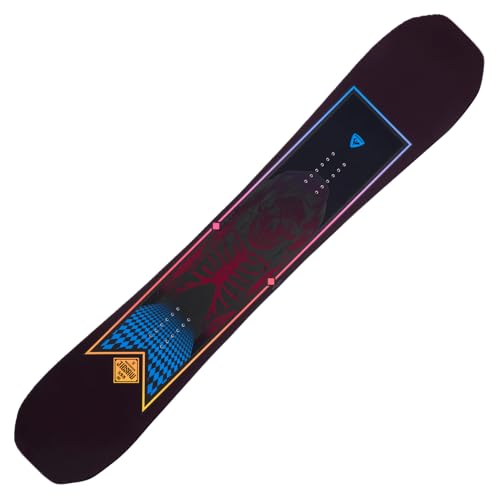
Rossignol Jibsaw Snowboard
Riding switch and hitting small park features come naturally on this true twin freestyle board, suited to indoor terrain parks and dry slope jib setups. AmpTek Elite blends camber underfoot with rocker at the tips for catch-free spins on artificial surfaces. Serrated edges add grip on the harder, more consistent snow found indoors.
Pros
- True twin shape rides identically regular or switch
- Rockered tips resist catching on tightly packed indoor snow
- Serrated edges hold grip on firmer artificial surfaces
Cons
- Medium-stiff flex is less forgiving for first-time riders
- Camber underfoot demands more consistent edge control
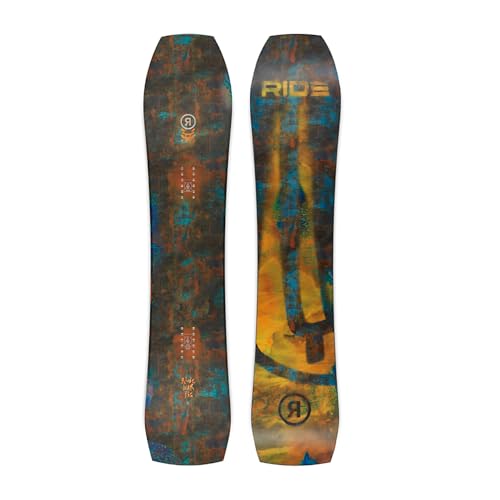
Ride Warpig Snowboard
Short and wide, this directional board keeps stability at speed on longer indoor snowdome runs. Directional Zero Camber pairs a flat center section with rocker at the nose and tail, resisting edge catch on man-made snow. A flex rating of 5 out of 10 lets intermediate to advanced riders carve without the board feeling squirrelly.
Pros
- Short, wide platform holds an edge well on limited-width indoor runs
- Zero camber sections resist catching on firmer artificial snow
- Balanced flex suits riders progressing past beginner terrain
Cons
- Wider stance width may not suit smaller riders or younger teens
- Stiffer than beginner-oriented boards, less forgiving on first runs

Burton Women’s Feelgood Camber Snowboard
Burton built Feelgood as its women’s specific camber board, with a directional shape for reliable edge hold across repeated indoor slope laps. Women’s specific Triax fiberglass with a carbon I-beam gives a torsionally softer flex suited to lighter riders. Channel mounting works with nearly any binding, simplifying gear swaps at an indoor facility.
Pros
- Women’s specific flex suits lighter riders on repeated indoor runs
- Camber bend gives precise edge hold on groomed indoor snow
- Channel mounting works with almost any binding brand
Cons
- Camber demands more precise weighting than a rocker board
- Directional shape is less suited to switch riding in park sections

K2 Vandal Kids Snowboard
K2 sizes the Vandal from 132 to 148W centimeters, fitting growing riders across several seasons. Catch-Free Tune rounds the contact points near the edges, cutting down on the hooky feel that trips up new young riders on indoor slopes. A single-species aspen core wrapped in fiberglass keeps the board light enough for kids to control.
Pros
- Multiple length options fit kids as they grow between seasons
- Catch-Free Tune reduces edge-catch falls during early indoor lessons
- Twin rocker profile keeps spins and turns forgiving for beginners
Cons
- Extruded base needs more frequent waxing than a sintered base
- Twin rocker sacrifices some stability at higher speeds

Indo Board Original Training Package
A wood deck pairs with a cylindrical roller in this package, simulating the side-to-side balance needed on a snowboard. It works on carpet or a hard floor, making it a practical way to build stance and core control between trips to an indoor slope. A cushion included in the package offers a lower-intensity, more stable starting point.
Pros
- Roller setup mimics snowboard-style lateral balance more closely than a static board
- Cushion option lets beginners scale difficulty down before adding the roller
- Compact enough to use in a living room between slope sessions
Cons
- Roller setup has a learning curve and can slide unexpectedly at first
- Does not replicate the actual edge-to-snow feedback of riding on snow

Whirly Board Wide 360
Rotating a full 360 degrees around a center pivot, this trainer lets riders rehearse spins and rail transitions off the snow. Grip tape on the deck mimics the footing of a snowboard base for more realistic stance work. Wooden construction is built for repeated indoor use on hard flooring.
Pros
- 360 degree rotation is closer to practicing spins than a fixed roller board
- Grip tape surface reinforces natural snowboard foot positioning
- Compact design suits small indoor spaces or apartments
Cons
- Free rotation feels unstable at first for complete beginners
- Less effective than a roller board for pure edge-to-edge lateral balance
What to look for
What Makes a Snowboard Work Indoors Indoor snow domes and dry slopes run on short, groomed pitches, often under 300 meters. Machine-made snow packs firmer than natural powder, so edges need to bite consistently rather than float. A softer flex, roughly 3 to 5 out of 10, forgives the late edge catches that happen on tightly packed artificial surfaces. Camber profiles that blend flat sections with rockered tips, like AmpTek Elite or Zero Camber, resist hooking an edge on firmer snow.
Do You Need a Real Board or a Balance Trainer? A real snowboard is the only option for actually riding at a snow dome or dry slope center. Balance trainers like the Indo Board or Whirly Board never touch snow, but they build the stance and core control that carries over to board time. Riders who only reach an indoor slope once a month often keep a trainer at home to stay sharp between visits. Someone riding weekly at an indoor facility gets more direct value from an actual board suited to that terrain.
Best Options for Beginners, Kids, and Returning Riders New riders benefit most from a soft, directional board like the Ripcord, since forgiving flex reduces frustration on early runs. Kids need a board sized to their height, which is why the K2 Vandal spans five lengths from 132 to 148W centimeters. Adults returning to snowboarding after a long break often start with a balance trainer, to rebuild core stability before booking slope time. Park-focused riders should look at a true twin like the Jibsaw, since switch riding matters more in an indoor terrain park than on an open run.
Matching Camber and Rotation to Practice Goals Riders working on carving want camber underfoot for precise edge hold, which the Feelgood and Warpig both provide. Those working on spins and rail tricks benefit more from a rotational trainer like the Whirly Board, since it rehearses the twisting motion a fixed board cannot. Lateral balance, the side-to-side control needed for basic stance, is better served by a roller-based trainer like the Indo Board. Matching the tool to the specific skill being practiced matters more than picking the highest-rated product overall.
How they stack up
| # | Model | Shape | Best for | Score | Price |
|---|---|---|---|---|---|
| 1 | Burton Ripcord Snowboard | Directional | Best Overall | 9.4 | Check price |
| 2 | Rossignol Jibsaw Snowboard | True twin | Best for Terrain Park Practice | 9.1 | Check price |
| 3 | Ride Warpig Snowboard | Directional, tapered | Best for Advanced All-Mountain Riders | 8.8 | Check price |
| 4 | Burton Women’s Feelgood Camber Snowboard | Camber | Best for Women | 8.6 | Check price |
| 5 | K2 Vandal Kids Snowboard | 132, 137, 142, 145W, 148W cm | Best for Kids | 8.4 | Check price |
| 6 | Indo Board Original Training Package | Deck, roller, and cushion | Best for Balance Training | 8.2 | Check price |
| 7 | Whirly Board Wide 360 | Full 360 degree spin | Best for Spin and Trick Training | 8.0 | Check price |
Frequently asked questions
Can you use a regular snowboard at an indoor snow dome?
Yes, most indoor slopes rent standard equipment, but riders who visit often can bring a suitable board like the Ripcord or Jibsaw; check the facility’s binding and length rules first.
What is the best snowboard for a first indoor lesson?
A soft flex, directional board such as the Burton Ripcord is easiest for first-timers, since forgiving flex reduces the chance of catching an edge on firm indoor snow.
Do balance boards actually help with snowboarding?
Owners report that lateral balance trainers like the Indo Board build core control and stance awareness that carries over to real riding, though they cannot replace time on snow.
Indo Board vs Whirly Board, which is better for snowboard training?
The Indo Board focuses on side-to-side lateral balance with a roller, while the Whirly Board adds full rotation for practicing spins; riders working on carving lean toward the Indo Board, and those drilling spins lean toward the Whirly Board.
What size snowboard does a kid need for an indoor slope?
Board length should roughly reach between the chin and nose when stood on end; the K2 Vandal covers that range with five sizes from 132 to 148W centimeters.
Are true twin snowboards better for indoor terrain parks?
Yes, a true twin board like the Rossignol Jibsaw rides identically regular or switch, which matters more in a small indoor park than on a long open run.
How often should you use a snowboard balance trainer?
Short, frequent sessions, a few minutes several times a week, build stance control more effectively than one long session before a slope visit, according to product listings and owner feedback.
Can adults use kids’ snowboards on short indoor runs?
Smaller adults sometimes size down for indoor terrain parks, but boards like the Vandal are built for lighter, kid-specific weight ranges and are not intended for adult use.
Is it worth buying a snowboard just for indoor sessions?
Owners who ride an indoor slope regularly get more value from a board suited to firm artificial snow than from renting each visit. Casual, once-a-year visitors usually do fine with rental gear instead.
What is the difference between a snowdome board and a resort all-mountain board?
Snowdome boards favor softer flex and rocker-heavy profiles that resist catching an edge on firm machine-made snow. All-mountain boards like the Ride Warpig add stiffer flex and camber for stability at speed across varied natural terrain.
Our take
Regular indoor snow dome riders get the most practical value from the Burton Ripcord, since its soft flex and Flat Top profile handle firm artificial snow without punishing early mistakes. Park-focused riders progressing past the basics should look at the Rossignol Jibsaw instead, its true twin shape riding evenly in both directions. Anyone without regular slope access gets more immediate value from the Indo Board Original Training Package, which builds the balance skills needed before the next indoor session.
Derek Holt
Derek has a background coaching recreational and amateur athletes and has worked the sales floor at specialty fitness retailers. He focuses on equipment durability, ergonomics and realistic use cases rather than marketing claims.


