Smart Speakers With Real Voice Control Worth Owning
Amazon’s standard Echo (4th Gen) is the best overall smart speaker for most households thanks to its built in Zigbee hub and solid everyday sound. Budget shoppers do well with the Echo Dot, while anyone deep in Apple’s ecosystem should choose the HomePod (2nd Gen) instead.
Amazon’s Echo (4th Gen) is the strongest overall pick, combining a built in Zigbee smart home hub with fuller sound than the compact Echo Dot, though its bass still trails dedicated audio speakers. Households already invested in Apple devices get more value from the HomePod (2nd Gen) and its Thread border router. Buyers who care most about sound quality over smart home features should look at the Sonos Era 100 instead.
Smart speakers split along voice assistant lines first, Alexa, Google Assistant or Siri, before sound quality and smart home hub features even enter the comparison. We compared built in voice assistant, driver configuration, smart home hub radios like Zigbee and Thread, and owner feedback on everyday sound quality across these seven speakers.
The top picks, ranked
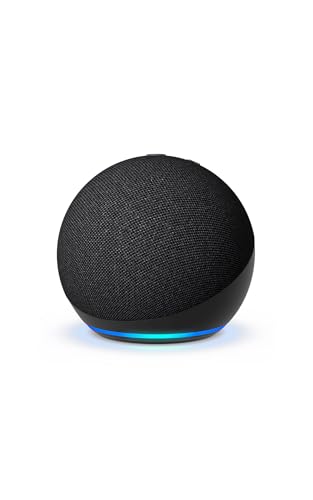
Amazon Echo (4th Gen)
Amazon’s standard Echo adds a dedicated bass driver inside its spherical shape, giving noticeably fuller sound than the Dot at a mid tier price. A built in Zigbee hub lets it connect directly to compatible smart locks, lights and sensors without a separate hub device. This model balances everyday music listening with full Alexa smart home control.
Pros
- Built in Zigbee hub skips the need for a separate smart home hub
- Fuller bass than the compact Echo Dot
- Alexa handles a wide range of third party smart home skills
Cons
- Spherical shape takes up more counter space than the Dot
- Bass still falls short of dedicated speakers like the Sonos Era 100
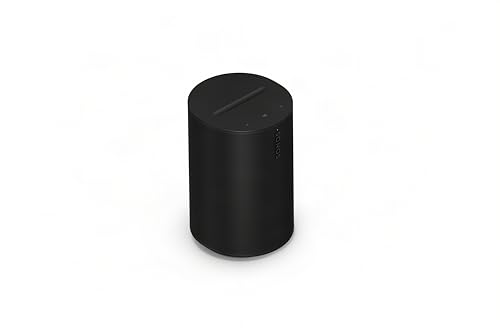
Sonos Era 100
Sonos built the Era 100 around sound quality first, using two angled tweeters alongside a dedicated mid woofer for stereo separation that single driver smart speakers cannot match. It supports Amazon Alexa for voice commands while also working as part of a larger multi room Sonos system. The tradeoff for better audio is a higher price than Amazon or Google’s own speakers at this size.
Pros
- Stereo separation from dual angled tweeters
- Expands easily into a larger multi room Sonos system
- Supports Alexa voice control alongside Sonos app control
Cons
- Costs more than Amazon or Google speakers of similar size
- No built in Google Assistant support

Amazon Echo Studio
Amazon’s Echo Studio steps up to a five driver array designed for room filling sound and Dolby Atmos spatial audio on supported tracks. It doubles as a home theater speaker when paired with a Fire TV for simple soundbar style setups. The built in Zigbee hub matches the standard Echo, so it still handles smart home duties alongside music.
Pros
- Five driver array fills larger rooms with sound
- Supports Dolby Atmos spatial audio on compatible tracks
- Can pair with a Fire TV for a simple home theater setup
Cons
- Larger and heavier than Amazon’s standard Echo
- Costs more than every other Amazon speaker in this lineup

Apple HomePod (2nd Gen)
Apple’s second generation HomePod includes a Thread border router, which helps newer Matter smart home devices communicate more reliably on an Apple focused network. Siri handles voice commands, though it integrates most deeply with other Apple devices like an iPhone or Apple TV. Spatial audio processing targets Apple Music listeners specifically, with more limited gains on other streaming services.
Pros
- Thread border router helps Matter smart home devices
- Deep integration with iPhone, Apple TV and Apple Music
- Spatial audio processing adds depth with supported content
Cons
- Setup and daily use favor Apple device owners heavily
- Siri’s third party skill support trails Alexa and Google Assistant

Google Nest Audio
Google’s Nest Audio pairs a dedicated tweeter with a mid bass driver, which gives it a noticeably fuller sound than Google’s own compact Nest Mini. Google Assistant handles voice queries and integrates directly with Google Home routines and Matter compatible smart home devices. It suits households already using Gmail, Google Calendar or Android phones for voice based scheduling.
Pros
- Fuller sound than Google’s compact Nest Mini speaker
- Tight integration with Android and Google Calendar
- Matter compatibility supports newer smart home devices
Cons
- No Zigbee hub built in, unlike Amazon’s standard Echo
- Google Assistant’s skill library trails Alexa in third party coverage
Amazon Echo Dot (5th Gen)
The fifth generation Echo Dot keeps the compact puck shape while improving bass response over earlier Dot models. A built in temperature sensor lets it trigger smart home routines based on room temperature, not just voice commands. It works well as a secondary speaker in a bedroom or kitchen rather than a main listening room.
Pros
- Improved bass over previous Echo Dot generations
- Built in temperature sensor for smart home routines
- Lowest price point of Amazon’s current Echo lineup
Cons
- Small speaker size limits room filling volume
- Not intended as a primary music listening speaker
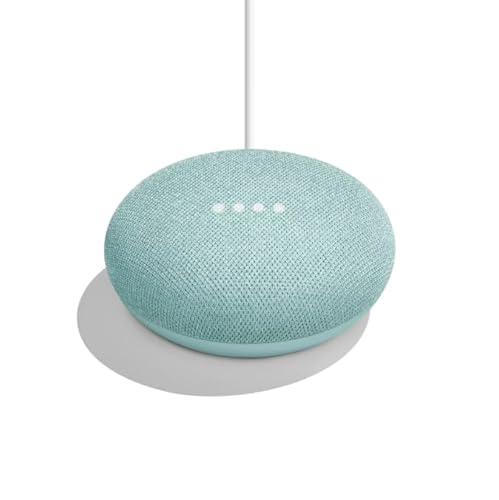
Google Nest Mini (2nd Gen)
The second generation Nest Mini stays compact and affordable, aimed at placing a Google Assistant speaker in every room rather than one premium unit. Wall mounting hardware built into the base lets it tuck out of the way in a hallway or bathroom. Sound quality trails the larger Nest Audio but remains clear enough for voice responses and podcasts.
Pros
- Low price supports buying multiple units per home
- Wall mount tab built into the speaker base
- Clear voice response volume despite the compact size
Cons
- Thin bass compared to the larger Nest Audio
- Not well suited as a primary music speaker
Compared at a glance
| # | Model | Voice assistant | Best for | Score | Price |
|---|---|---|---|---|---|
| 1 | Amazon Echo (4th Gen) | Alexa | Best overall | 9.2 | Check price |
| 2 | Sonos Era 100 | Built in voice control plus Alexa support | Best sound quality | 9.3 | Check price |
| 3 | Amazon Echo Studio | Alexa | Best for home theater and high fidelity audio | 9.1 | Check price |
| 4 | Apple HomePod (2nd Gen) | Siri | Best for Apple ecosystem | 9.0 | Check price |
| 5 | Google Nest Audio | Google Assistant | Best for Google Assistant | 8.9 | Check price |
| 6 | Amazon Echo Dot (5th Gen) | Alexa | Best budget | 8.6 | Check price |
| 7 | Google Nest Mini (2nd Gen) | Google Assistant | Best compact for small rooms | 8.3 | Check price |
What to look for
What to look for in a smart speaker with voice control Voice assistant ecosystem should match the phone and smart home devices you already own, since Alexa, Google Assistant and Siri each integrate most deeply with their own hardware family. Audio quality varies widely between compact single driver speakers built mainly for voice responses and larger multi driver models built for actual music listening. A built in smart home hub radio, such as Zigbee or Thread, lets the speaker talk directly to compatible locks, lights and sensors without a separate hub box. Connectivity options like Bluetooth and line in matter if you plan to play audio from devices outside the speaker’s own app.
Choosing a voice assistant: Alexa, Google Assistant or Siri Alexa currently supports the widest range of third party smart home skills and works across the most brands of locks, plugs and sensors. Google Assistant integrates tightly with Android phones, Gmail and Google Calendar, which matters for households already living in that ecosystem. Siri, used on the Apple HomePod, favors iPhone and Apple TV owners heavily and trails the other two in third party skill support.
Best smart speakers for music quality versus voice commands only Compact models like the Echo Dot and Nest Mini are built primarily for voice responses, timers and casting to a bigger speaker, not as a main music source. The Sonos Era 100 and Amazon Echo Studio both use multiple dedicated drivers aimed at real listening quality, which shows in stereo separation and bass depth. Choosing based on primary use, voice assistant convenience versus actual music listening, avoids paying for drivers you will not use or missing audio quality you actually wanted.
Smart speakers as a smart home hub A built in Zigbee hub, found on the standard Echo and Echo Studio, lets those speakers connect directly to compatible smart locks and sensors without buying a separate hub. Apple’s HomePod instead includes a Thread border router, aimed at newer Matter certified devices. Speakers without either radio, like the Sonos Era 100 or Nest Mini, still control smart home devices through wifi and the manufacturer’s app, just without the dedicated hub hardware.
Common questions
Which voice assistant works best for smart home control, Alexa or Google Assistant?
Alexa currently supports a wider range of third party smart home brands and skills, while Google Assistant integrates more tightly with Android phones and Google’s own calendar and reminder features.
Can a smart speaker work without wifi?
No. Smart speakers need a wifi connection to reach the voice assistant’s cloud service for most commands, though some basic Bluetooth audio playback may still work without it.
Do smart speakers listen to conversations all the time?
They listen locally for their wake word only and typically do not send audio to the cloud until that wake word is detected, though users can mute the microphone or review privacy settings in each assistant’s app.
What is the difference between a smart speaker and a soundbar?
A smart speaker focuses on voice assistant features and everyday listening in a compact form, while a soundbar is built specifically to pair with a TV for movie and show audio, often with more channels and bass.
Can Apple HomePod control non Apple smart home devices?
Yes, as long as those devices support Apple’s Home app or the newer Matter smart home standard, which the HomePod’s built in Thread router helps connect to.
Do I need multiple smart speakers for whole home audio?
Only if you want synchronized music playing across several rooms at once. A single speaker per room works fine for independent voice control and music without needing a multi room system.
What is a Zigbee or Thread hub built into a smart speaker?
Both are wireless protocols used by smart home devices like locks and sensors. A speaker with a built in hub radio can talk directly to those devices without requiring a separate hub box plugged into your router.
Is Sonos compatible with Alexa voice control?
Yes, the Sonos Era 100 and other current Sonos speakers support Amazon Alexa for voice commands alongside control through the Sonos app.
Our pick
Amazon’s Echo (4th Gen) is the right pick for most households that want solid everyday sound alongside genuine smart home hub capability. Budget focused buyers furnishing multiple rooms should lean on the Echo Dot instead and save the splurge for one better speaker elsewhere. Anyone who already lives inside Apple’s ecosystem, or cares more about music quality than smart home hub features, should skip Amazon entirely for the HomePod (2nd Gen) or Sonos Era 100.
Marcus Chen
Marcus covered consumer electronics for enthusiast tech publications for six years before joining ChoiceCrest. He specializes in translating manufacturer spec sheets into plain-language buying advice, with a focus on audio, computing accessories and smart-home gear.


