Sketchbooks Artists Trust for Ink, Charcoal and Pencil
Strathmore 400 Series Sketch Pad is the overall pick for dry media, with a lightly toothed surface at a sensible weight. Canson XL Mix Media handles light washes without buckling. Stillman and Birn Beta Series is the choice for serious wet work in a bound book.
For daily pencil and charcoal practice, Strathmore 400 Series is the sensible default book to reach for. Canson XL Mix Media steps up to light washes without curling. Stillman and Birn Beta Series exists for anyone who wants to paint properly inside a sketchbook.
Shopping for sketchbooks is harder than it looks, since the properties that matter most, paper weight and surface tooth, are printed in tiny type and mean nothing until pencil or ink actually meets the page. A sixty pound sheet that is perfect for graphite will pill under an eraser and buckle under a wash. We compared published paper specifications, binding types and page counts against consistent artist feedback about bleed through and how flat each book opens.
Before you buy
What paper weight actually means for a sketchbook Weight appears in pounds or grams per square metre, and gsm is the more reliable figure since pound ratings differ between paper categories. Roughly speaking, 90gsm suits practice sketching in dry media, 160gsm handles ink and markers plus a light wash, and 270gsm and above takes real watercolour without cockling. A page that curled and dried wavy after a wash was too light, not the technique done wrong.
How surface tooth changes each medium Tooth describes the microscopic texture of the sheet. A toothed surface grabs graphite and charcoal particles, which is why pencil work looks rich on sketch paper and thin on smooth paper. Fine liners and detailed pen work suit smooth or hot press surfaces instead, since the nib glides without catching. Cold press sits between the two and is the usual watercolour choice, holding pigment in its valleys.
Wire bound, sewn or glue bound: what changes in use Wire bound pads fold the cover right back for working on a single page at a desk or on a lap. Sewn bindings open flat across a full spread, which travel sketchers value highly. Glue bound pads cost the least but loosen with age. Perforation matters if finished pieces will be removed and displayed, since tearing an unperforated page usually damages the binding.
Matching a book to the medium you actually use Owning one sketchbook for everything is a compromise most artists outgrow. Two books cover more ground: a cheap high volume pad for daily practice, and a better bound book for pieces worth keeping. Check bleed resistance specifically for alcohol markers, since they pass straight through most sketch papers and need either heavy stock or a dedicated marker pad with a bleed proof layer.
What we recommend

Strathmore 400 Series Sketch Pad
A lightly toothed cream white surface grips graphite and charcoal without shredding under repeated erasing. This pad targets practice and volume rather than finished pieces, and the generous page count reflects that intent. Owners report reaching for it daily precisely because the pages do not feel precious.
Pros
- Excellent tooth for pencil and charcoal
- Micro perforation lets you remove pages cleanly
- High page count for daily practice
Cons
- Too light for wet media of any kind
- Markers ghost through to the next page

Canson XL Series Mix Media Pad
A 98 pound stock with a lightly textured surface takes graphite, ink and a light watercolour wash without curling into a taco. Heavier paper than a typical sketch pad also stops most marker bleed through. This works as a practical single book for someone who has not settled on one medium yet.
Pros
- Heavy enough for light wet media
- Resists marker bleed through
- Very good page count for the outlay
Cons
- Buckles under heavy watercolour washes
- Texture is slightly coarse for fine pen work

Stillman and Birn Beta Series Softcover Sketchbook
Heavy 270gsm cold press paper handles genuine watercolour washes, heavy ink and gouache without cockling, a completely different experience from working around a lightweight page. Reach for this book when the sketch is meant to become a finished piece. Fewer pages and a higher cost per sheet come with that heavier stock.
Pros
- Heavy stock takes real washes without buckling
- Sewn binding opens completely flat
- Robust surface tolerates lifting and scrubbing
Cons
- Fewer pages for the price
- Heavier and thicker to carry

Moleskine Art Sketchbook
A familiar hardcover, elastic closure and rear pocket carry over from the standard notebooks, paired with a heavier acid free paper built for art rather than writing. Standing up without a board to draw on becomes possible thanks to that hard cover. Purists find the smooth paper offers less reward for graphite than a toothed sketch surface.
Pros
- Hardcover doubles as a drawing board
- Elastic closure protects pages in a bag
- Consistent quality across the range
Cons
- Smooth surface offers little tooth for graphite
- Costs more per page than studio pads

Arteza Hardcover Sketchbook
A stitched spine, elastic band and bookmark ribbon come at a fraction of the price of premium bound sketchbooks, making it easy to run several at once. Pencil and pen work fine on this paper, and it copes with light ink too. Owners describe the finish as good value rather than exceptional, a fair assessment.
Pros
- Bound hardcover format at a low outlay
- Elastic band and ribbon marker included
- Good page count for the price
Cons
- Paper is too light for markers or washes
- Does not always open fully flat

Global Art Hand Book Travelogue Journal
Working on location is the entire design brief here, with a sewn binding that opens completely flat, a wrap around cover and an ivory paper kind to both pen and light wash. Landscape and square formats suit sketching a view better than the usual portrait page. This is a specialist choice rather than a studio workhorse.
Pros
- Opens genuinely flat for spread drawings
- Landscape and square formats available
- Durable cover survives a bag
Cons
- Not heavy enough for full watercolour
- Limited availability in some sizes

Bee Paper Super Deluxe Sketch Pad
A very large stack of sheets fills a plain wire bound pad, exactly what repetitive gesture and figure practice demands when most pages get thrown away. Straightforward sketch stock offers reasonable tooth without any decoration. That plainness is the entire point of buying it.
Pros
- Very high sheet count for practice
- Cheap enough to draw without hesitation
- Reliable tooth for dry media
Cons
- Thin paper shows through and ghosts
- Plain cover offers little protection
Compared at a glance
| # | Model | Paper weight | Best for | Score | Price |
|---|---|---|---|---|---|
| 1 | Strathmore 400 Series Sketch Pad | 60 pounds, roughly 89gsm | Best overall | 9.4 | Check price |
| 2 | Canson XL Series Mix Media Pad | 98 pounds, roughly 160gsm | Best value | 9.2 | Check price |
| 3 | Stillman and Birn Beta Series Softcover Sketchbook | 180 pounds, roughly 270gsm | Best for wet media | 9.0 | Check price |
| 4 | Moleskine Art Sketchbook | 165gsm | Best for carrying daily | 8.8 | Check price |
| 5 | Arteza Hardcover Sketchbook | 110gsm | Best budget hardcover | 8.6 | Check price |
| 6 | Global Art Hand Book Travelogue Journal | 130gsm | Best for travel sketching | 8.3 | Check price |
| 7 | Bee Paper Super Deluxe Sketch Pad | 60 pounds, roughly 89gsm | Best for volume practice | 8.0 | Check price |
Questions worth asking
What paper weight do I need for watercolour in a sketchbook?
At least 200gsm to avoid noticeable buckling, and 270gsm or more for confident washes. Below that the paper cockles as it dries and the surface breaks down if an area gets reworked.
Will markers bleed through my sketchbook?
On most standard sketch papers, yes. Alcohol markers need either heavy mixed media stock around 160gsm and above, or a dedicated marker pad with a bleed proof sheet. A scrap sheet behind the working page limits damage on lighter books.
What is the difference between a sketch pad and a drawing pad?
Sketch paper is lighter and intended for practice and volume. Drawing paper is heavier with a more durable surface built for finished work, so it tolerates erasing, layering and blending far better.
Does acid free paper matter for a sketchbook?
It matters for anything meant to last. Acid free paper resists yellowing and becoming brittle over the years. For daily throwaway practice it makes no practical difference, so save archival stock for framed work.
Should I get a hardcover or a wire bound sketchbook?
Hardcover books protect pages in a bag and let you draw standing up without a board, suiting travel and life drawing. Wire bound pads fold back flat on a desk and usually cost less per page, better for volume practice.
What size sketchbook should a beginner choose?
A5 or similar fits a bag and encourages daily use, while A4 and larger gives room for gesture drawing and composition studies. Many artists keep a small one for carrying and a large one for studio sessions.
How do I stop pages ghosting through a sketchbook?
Ghosting follows paper opacity, which follows weight, so heavier stock ghosts less. On lighter paper, work in pencil rather than heavy ink, use one side of each sheet, or slip a card behind the page in progress.
Is toned or cream sketchbook paper worth trying?
Toned grey and tan papers work well for building both highlights and shadows, since white charcoal or gouache reads as light against the mid tone. Cream paper is easier on the eyes than bright white and flatters graphite.
Which sketchbook is best for beginners learning to draw?
Strathmore 400 Series suits beginners well, since its forgiving tooth and low cost per page encourage daily practice without hesitation over wasted pages.
Can one sketchbook handle both pencil and watercolour?
Canson XL Mix Media comes closest, with enough weight for light washes while still gripping pencil and ink cleanly. Heavier full watercolour work still needs a dedicated book like the Stillman and Birn Beta Series.
Our pick
Strathmore 400 Series is the sketchbook most people should own, since good tooth and a low cost per page are exactly what daily drawing practice needs. Step up to Canson XL Mix Media once ink and light washes enter the work, and keep a Stillman and Birn Beta Series on hand for pieces meant to be finished rather than filled.
Jake Monroe
Jake worked as a residential contractor for over a decade before shifting to full-time writing. He evaluates power tools, hand tools and workshop gear through the lens of someone who has actually used them on job sites, not just read the box.
You might also need
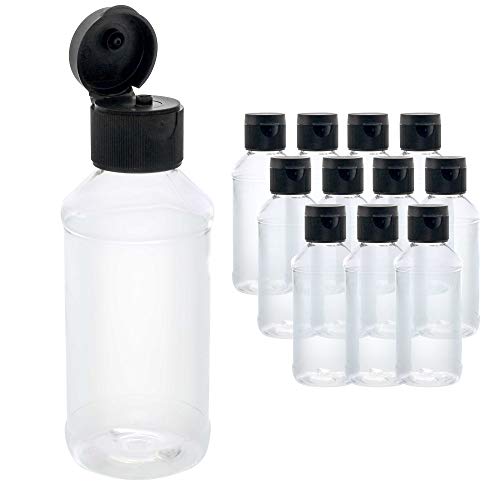
U.S. Art Supply 4 Oz Squeeze Bottles (12-Pack) Review: Handy Beyond Just Craft Paint?

DMSO 8 oz Glass Bottle (99.995% Pharma Grade): What This Lab Solvent Actually Is
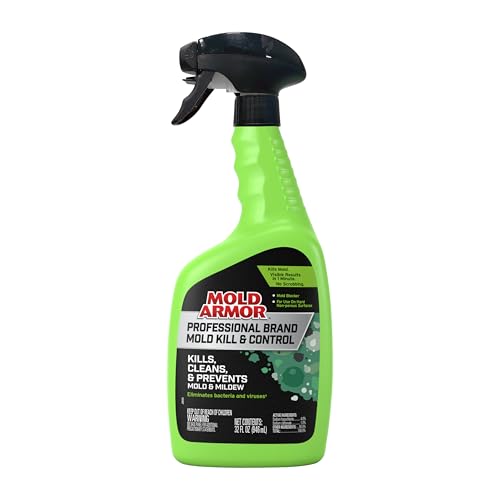
Mold Armor Mold Kill & Control Spray: Does the No-Scrub Claim Hold Up?
