How to Pick Shocks and Struts That Actually Smooth Your Ride
Monroe OESpectrum shocks give the most balanced ride among the seven compared, KYB Excel-G restores firmer factory handling, and Bilstein 4600 shocks hold up best under towing and heavy loads. Match ride tuning and coverage to your vehicle before choosing, since fitment varies by make and model.
Monroe OESpectrum shocks suit most daily drivers who want a balanced, factory-like ride. KYB Excel-G works better for restoring firmer original handling, and Bilstein 4600 shocks hold up best for towing and hauling.
Fitment complicates every damper choice, since ride tuning, load rating, and mounting hardware all shift by make and model. We compared these seven on ride comfort, handling control, heat resistance, and coverage using manufacturer specifications and feedback owners report after installation.
The top picks, ranked

Monroe OESpectrum Shock Absorber
Monroe engineers the OESpectrum to match the ride feel of factory dampers rather than stiffen it. Twin-tube valving reacts to road input instead of holding a single fixed rate. Owners switching from worn stock shocks describe a quieter cabin and steadier body motion over patched pavement.
Pros
- Rides close to factory comfort
- Controls body bounce on rough roads
- Fits a wide range of cars and SUVs
Cons
- Not built for towing duty
- Softer valving than sport-tuned shocks
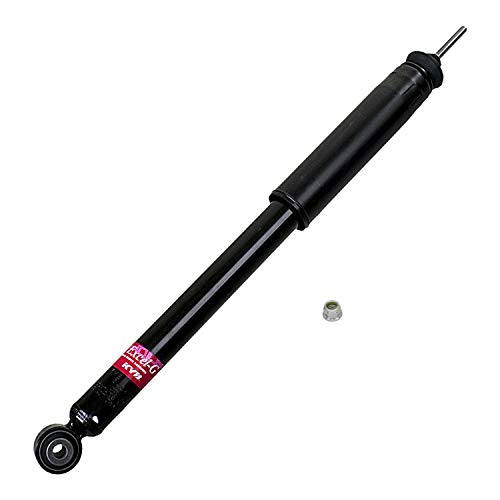
KYB Excel-G Gas Shock
KYB built the Excel-G to bring a worn car back to its original firmness, not soften it further. Nitrogen gas charging cuts fluid foaming, so response stays consistent through repeated hard stops. Drivers replacing sagging stock shocks often notice tighter cornering within the first drive.
Pros
- Restores tighter factory-level handling
- Stays consistent under hard braking
- Covers a large range of vehicle models
Cons
- Firmer ride than comfort-tuned shocks
- Transmits more texture from rough roads

Bilstein 4600 Series Shock Absorber
Bilstein’s 4600 uses a monotube design built for trucks that tow, haul, or cover rough terrain. A single fluid chamber sheds heat faster than twin-tube shocks, which limits fade on long grades. Loaded runs stay composed instead of wallowing under weight.
Pros
- Resists fade during towing and hauling
- Stays composed under heavy loads
- Monotube build sheds heat quickly
Cons
- Rides firm when the truck is empty
- Priced above most twin-tube options

Monroe Quick-Strut Complete Strut Assembly
The Quick-Strut ships fully built with strut, spring, and mount together. That setup skips the compressed-spring step that causes most home-install injuries. Bolting in one assembly restores ride height and damping at the same time, without separate parts to align.
Pros
- Skips the spring compressor step entirely
- Bolts in as a single complete unit
- Replaces a worn mount along with the strut
Cons
- Costs more per corner than a bare strut
- Unnecessary if only the strut has failed

Gabriel Ultra Shock Absorber
Gabriel positions the Ultra as an affordable comfort replacement for cars and light trucks. Gas-charged twin-tube valving smooths routine bumps without a premium price tag. Commuters who just want quiet, predictable damping get most of what pricier shocks offer.
Pros
- Lower cost than most gas shocks
- Smooths everyday bumps effectively
- Covers a wide range of light-duty vehicles
Cons
- Loses composure under hard driving
- Not rated for heavy loads or towing

ACDelco Professional Premium Gas Shock
ACDelco tunes the Professional Premium to replicate the original ride on GM trucks and cars. Gas charging keeps damping steady instead of fading with mileage. Owners doing a straightforward like-for-like swap get a predictable, no-surprises replacement.
Pros
- Matches original GM ride feel closely
- Damping stays steady over time
- Dialed-in fitment for covered GM models
Cons
- Application list narrower than other brands
- Does not upgrade handling beyond stock

KYB Gas-a-Just Monotube Shock
KYB’s Gas-a-Just uses a high-pressure monotube built for drivers chasing sharper steering response. The single-tube layout and elevated gas pressure cut body roll through fast direction changes. Ride quality leans firm, so it favors enthusiasts over comfort-first commuters.
Pros
- Sharpens steering response noticeably
- Reduces body roll and nose dive
- Monotube build handles heat well
Cons
- Stiff ride for daily commuting
- Passes more road texture into the cabin
The lineup, side by side
| # | Model | Type | Best for | Score | Price |
|---|---|---|---|---|---|
| 1 | Monroe OESpectrum Shock Absorber | Twin-tube gas-charged | Best overall | 9.4 | Check price |
| 2 | KYB Excel-G Gas Shock | Twin-tube gas-charged | Best for restoring handling | 9.2 | Check price |
| 3 | Bilstein 4600 Series Shock Absorber | Monotube gas-charged | Best for towing and trucks | 9.1 | Check price |
| 4 | Monroe Quick-Strut Complete Strut Assembly | Preassembled strut and spring unit | Best for DIY strut replacement | 8.9 | Check price |
| 5 | Gabriel Ultra Shock Absorber | Twin-tube gas-charged | Best value | 8.5 | Check price |
| 6 | ACDelco Professional Premium Gas Shock | Twin-tube gas-charged | Best for GM vehicles | 8.3 | Check price |
| 7 | KYB Gas-a-Just Monotube Shock | High-pressure monotube | Best for firm sport response | 8.0 | Check price |
How to pick the right one
What’s the difference between shocks and struts? Shocks dampen motion but carry none of the vehicle’s weight. Struts are structural, supporting the suspension and often housing the coil spring. Many vehicles run struts up front and shocks in the rear, so check which type each corner actually uses before ordering parts.
Twin-tube or monotube: which damper type fits your driving? Twin-tube dampers ride softer and cost less, which suits everyday commuting. Monotube designs dissipate heat faster and respond quicker, favoring towing, heavy loads, and spirited driving. Neither type wins outright; the right choice depends on how much load and firmness you can live with.
Which shocks work best for towing versus daily commuting? A commuter benefits from comfort-tuned twin-tube shocks like the Gabriel Ultra or Monroe OESpectrum. A truck that tows regularly needs a heat-resistant monotube such as the Bilstein 4600 to resist fade on long grades. Mismatching firmness to your actual use leaves either ride quality or durability lacking.
Can you install shocks or struts yourself? Shocks bolt in with basic hand tools and modest mechanical experience. Struts carry more risk because compressing a loaded coil spring can cause injury without the right equipment. Preassembled units like the Monroe Quick-Strut remove that step entirely by shipping the spring already compressed and mounted.
Frequently asked questions
How do I know if my shocks or struts are worn?
Watch for excess bouncing after bumps, nose dive under braking, and cupped or uneven tire wear. A floaty, wandering feel at highway speed and visible fluid leaking down the shock body both signal a failed seal.
What is the difference between a shock and a strut?
A shock only controls motion damping. A strut also bears part of the vehicle’s weight and typically houses the coil spring, which makes strut replacement more involved than a simple shock swap.
Do shocks and struts need to be replaced in pairs?
Yes, replacing both sides of an axle together keeps damping and ride height matched. Uneven wear side to side can pull the vehicle during braking or cause inconsistent handling in corners.
Are monotube shocks better than twin-tube shocks?
For towing, heavy loads, or performance driving, monotube shocks manage heat and respond faster. For a light commuter that rarely sees hard use, a twin-tube shock like the Gabriel Ultra rides more comfortably for less money.
Can you still drive with worn shocks or struts?
Driving is possible but stopping distances lengthen and cornering grip drops as the tire loses consistent road contact. Wandering at speed and cupped tire wear get worse the longer worn dampers stay in service.
Will replacing struts affect wheel alignment?
Front strut replacement can shift suspension geometry, so an alignment afterward protects tire wear and keeps steering centered. Rear shock swaps usually do not require one, but confirm with your specific vehicle.
How long do shocks and struts usually last?
Lifespan depends heavily on road conditions and load rather than a fixed mileage figure. Rough roads, towing, and heavy cargo shorten it, so watch for wear symptoms instead of counting miles.
Is a complete strut assembly worth it over separate parts?
A complete assembly like the Monroe Quick-Strut costs more per corner but removes the dangerous spring-compression step. Buying separate strut, spring, and mount parts suits shops with the right compressing tools already on hand.
Which shocks are best for GM trucks specifically?
The ACDelco Professional Premium is tuned and fitted specifically for GM applications, giving a close match to the factory ride. Owners doing a like-for-like swap on a GM truck or car get predictable, no-surprises damping.
Our pick
Monroe OESpectrum shocks remain the safest all-around choice for a balanced, comfortable ride. Drivers chasing firmer factory handling should look at the KYB Excel-G, while anyone towing or hauling regularly gets more fade resistance from the Bilstein 4600. Confirm exact fitment for your make and model before ordering.
Tony Russo
Tony trained as an automotive technician and spent years in service and parts retail before moving into writing. He focuses on garage tools, car care products and accessories from a hands-on maintenance perspective.


