Which Sewing Machine Fits a Beginner’s Budget?
Brother CS7000X blends a computerized stitch library with beginner friendly threading, making it the top all-around choice here. Singer Heavy Duty 4423 pushes through denim and canvas with the strongest motor in this group. Brother XM2701 stays the easiest budget starter.
Brother CS7000X strikes the best balance of features and simplicity for most home sewers, with a large stitch library and an automatic needle threader that spares beginners real frustration. Thick fabric sewers get more from the Singer Heavy Duty 4423 and its stronger motor. Brother XM2701 covers the basics for a tighter budget.
A long stitch list means little if a machine bogs down on denim, and computerized features can overwhelm a first timer before they ever finish a seam. We compared motor strength, stitch options, ease of threading and build across these seven, using manufacturer specifications and owner feedback rather than staged demonstrations.
Before you buy
Mechanical or computerized: which sewing machine type fits you Mechanical machines use dials, staying simpler to learn, cheaper and easy to service, which suits beginners and heavy fabric work well. Computerized machines add screens, memory and large stitch libraries that help decorative and precise projects. They cost more and take longer to master, so choose based on how far the hobby is likely to go.
How to match motor strength to your fabric Denim, canvas, upholstery or multiple layers call for a heavy duty motor and metal frame, like the Singer 4423 or Brother ST371HD. A lighter budget machine handles cotton, quilting cottons and mending fine on its own. It will stall and skip stitches once pushed through thick seams though.
Why threading and bobbin systems matter for beginners An automatic needle threader and a top drop in bobbin remove two of the most common beginner headaches. Front loading bobbins and manual threading remain workable options. New sewers still benefit most from a machine that simplifies these steps, keeping them at the table instead of fighting the setup.
How many stitches do you actually need Hundreds of stitches look impressive on a spec sheet, but most people use straight, zigzag and a buttonhole stitch for the vast majority of projects. Choose a higher stitch count only when decorative or lettering work genuinely interests you. Otherwise a focused machine fully understood beats an intimidating one every time.
The best picks, ranked
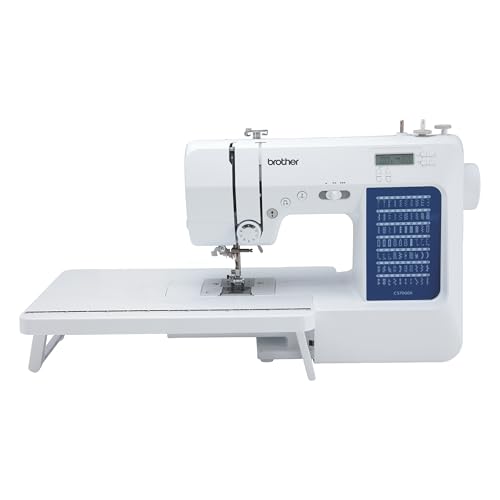
Brother CS7000X
This computerized machine offers a wide stitch selection, an automatic needle threader and a drop in bobbin that beginners find approachable. A wide table and hard case ship included, genuinely useful extras once projects grow larger, according to owner reports.
Pros
- Stitch selection runs wider than most rivals
- Threading stays beginner friendly throughout
- Wide table suits quilting projects well
Cons
- Exterior uses plastic rather than metal
- Struggles on very thick seams

Singer Heavy Duty 4423
A strong motor and metal frame push through denim, canvas and layered fabrics that stall lighter models. Mechanical rather than computerized operation keeps things simple and repairs straightforward. Speed stays high even under thick seams, based on the listed specifications.
Pros
- Motor pushes through thick layers reliably
- Metal frame stays sturdy under load
- Stitching speed runs fast
Cons
- Runs loud during operation
- Fewer decorative stitches than computerized rivals

Brother XM2701
A lightweight mechanical machine covers essential stitches plus a one step buttonhole, a sensible first machine for many buyers. Everyday cotton and light mending get handled reliably without a steep learning curve, according to owner reports.
Pros
- Costs less than most alternatives here
- Stays light and easy to carry
- Learning curve stays gentle for first timers
Cons
- Not built for heavy fabrics
- Feature set stays basic
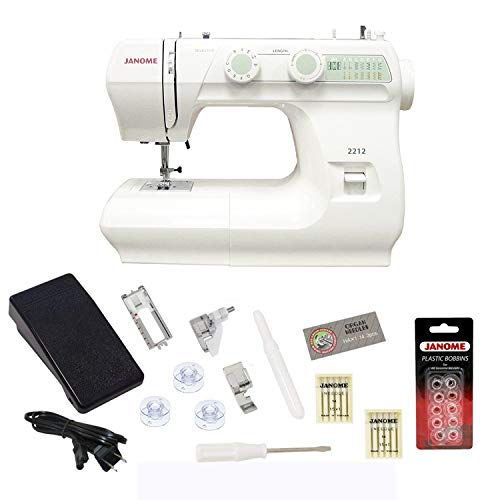
Janome 2212
A pared back mechanical machine with dial controls earns trust from sewers who want consistent, tidy stitches. No screen to navigate appeals to anyone who prefers dependable basics over gadgetry.
Pros
- Stitching stays smooth and consistent
- Dial operation keeps things simple
- Reliability earns strong owner trust
Cons
- Stitch count stays limited
- Four step buttonhole feels fiddly
Singer Start 1304
Stripped to the essentials, setup and stitch selection stay about as simple as it gets for a nervous first timer. Light weight and a low outlay make this a low risk way to learn the basics.
Pros
- Controls stay minimal and unintimidating
- Entry cost runs low
- Easy to move and store
Cons
- Stitch selection stays very limited
- Skills outgrow it quickly
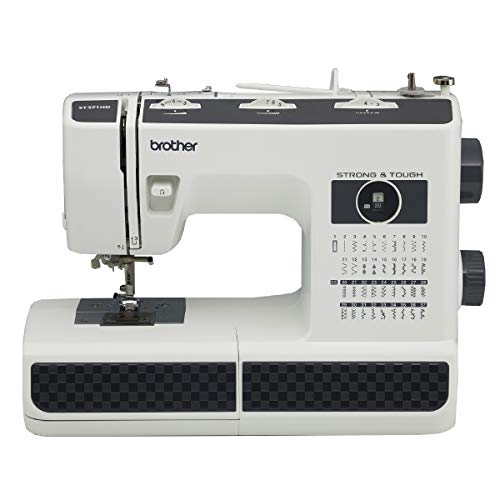
Brother ST371HD
A strong frame machine aimed at tougher fabrics still keeps things beginner approachable with an auto threader and drop in bobbin. Everyday sewing and occasional heavier jobs both fit within reach, according to owner reports.
Pros
- Handles thicker fabrics capably
- Auto threader ships included
- Stitch variety runs good for the price
Cons
- Some vibration shows at high speed
- Manual stays brief

Singer Quantum Stylist 9960
A huge stitch library, multiple fonts and programmable features suit ambitious projects and detailed decorative work. Complexity runs higher than a beginner would want on day one, which is the trade off for that range.
Pros
- Stitch selection runs enormous
- Programmable features add real precision
- Decorative work becomes genuinely achievable
Cons
- Overkill for basic sewing needs
- Learning curve runs steeper than rivals
How they compare
| # | Model | Type | Best for | Score | Price |
|---|---|---|---|---|---|
| 1 | Brother CS7000X | Computerized | Best overall | 9.4 | Check price |
| 2 | Singer Heavy Duty 4423 | Mechanical | Best for heavy fabrics | 9.1 | Check price |
| 3 | Brother XM2701 | Mechanical | Best budget | 8.6 | Check price |
| 4 | Janome 2212 | Mechanical | Best mechanical simplicity | 8.8 | Check price |
| 5 | Singer Start 1304 | Mechanical | Best absolute beginner | 8.3 | Check price |
| 6 | Brother ST371HD | Mechanical | Best value heavy-duty | 8.9 | Check price |
| 7 | Singer Quantum Stylist 9960 | Computerized | Best for advanced sewers | 9.0 | Check price |
Frequently asked questions
What is the best sewing machine for a complete beginner?
Look for a simple, well supported machine with an automatic needle threader and a drop in bobbin, such as the Brother XM2701 or CS7000X. These cut the fiddly setup steps that discourage new sewers.
Do I need a heavy duty sewing machine?
Only for denim, canvas, upholstery or several layers at once regularly. Cotton garments, quilting and general mending run fine on a standard machine, since a heavy duty motor mainly matters once fabric thickness would stall a lighter model.
Is a computerized sewing machine better than a mechanical one?
Not universally. Computerized machines add stitches, memory and precision for decorative work, while mechanical machines stay simpler, often sturdier for thick fabric, and easier to repair. Project type and comfort with technology decide the better fit.
How many stitches does a sewing machine actually need?
Most everyday sewing relies on a straight stitch, a zigzag and a buttonhole. A dozen well chosen stitches cover the majority of projects, so a large library adds a bonus for decorative work rather than a requirement.
Why does my sewing machine skip stitches or jam on thick seams?
Fabric usually runs too heavy for the motor, the needle is wrong for the material, or tension needs adjusting. A heavier needle plus a machine rated for the fabric weight, like a heavy duty model, resolves most of these cases.
What accessories should a good sewing machine include?
Several presser feet, spare bobbins, a seam ripper and ideally a hard case or dust cover count as useful inclusions. Some machines add an extension table for quilting, genuinely helpful on larger projects.
How do I keep a sewing machine running well?
Clean lint from the bobbin area regularly, change needles often, and oil the machine when the manual calls for it. Occasional servicing keeps tension and timing accurate, while correct needle and thread choice per fabric prevents most problems.
Can one sewing machine handle both quilting and garments?
Yes, many home machines cover both, especially those with a wide extension table and a good stitch range like the Brother CS7000X. Heavy quilt layers or large quilts benefit from a stronger motor and larger throat space.
The bottom line
Brother CS7000X remains the most versatile pick for home sewers, pairing a generous stitch library with beginner friendly threading and quilting extras. Thick fabrics call for the Singer Heavy Duty 4423 instead. Budget starters do well with the XM2701, while the Quantum Stylist 9960 rewards sewers who prioritize decorative work.
Jake Monroe
Jake worked as a residential contractor for over a decade before shifting to full-time writing. He evaluates power tools, hand tools and workshop gear through the lens of someone who has actually used them on job sites, not just read the box.


