Sewing Machines That Fit How Often You Actually Sew
The Brother CS7000X is the strongest all-around pick, offering a wide stitch selection and an easy learning curve for new sewers. The Juki HZL-F300 suits buyers focused on quilting, while the Janome 2212 fits anyone who wants a simple mechanical machine on a budget.
The Brother CS7000X leads this list because its 70 built-in stitches and wide table accessory cover beginner projects through intermediate quilting without a steep learning curve. Its main limitation is motor power, which trails heavy-duty machines meant for thick denim or multiple fabric layers.
We compared published stitch count, fabric thickness handling, extension table availability and bundled accessories across each machine rather than running our own stitching tests.
Our top picks
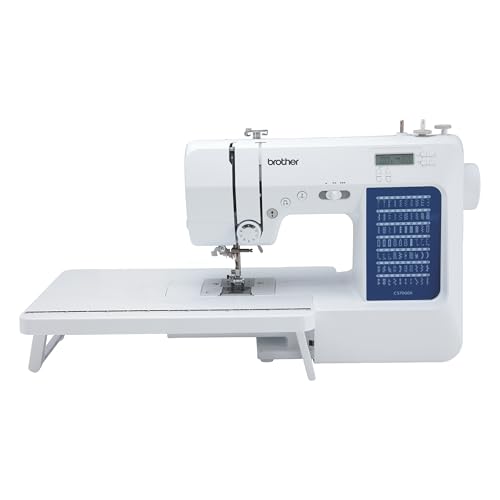
Brother CS7000X Computerized Sewing Machine
A computerized stitch selection screen displays 70 built-in stitches, making it easy for beginners to browse options without a manual. A wide table attachment expands the workspace for quilting projects. Automatic needle threader and drop-in bobbin reduce setup time before each project.
Pros
- Large stitch selection suits both beginners and intermediate projects
- Wide table attachment helps with larger quilting projects
- Automatic threader speeds up setup between projects
Cons
- Not built for heavy-duty fabrics like thick denim or canvas
- Computerized screen adds a small learning curve for first-time users

Singer Heavy Duty 4432 Sewing Machine
A stronger motor and metal frame handle thick fabrics like denim, canvas and multiple layers that lighter machines struggle with. 32 built-in stitches cover common sewing needs without the complexity of a computerized screen. Automatic needle threader and adjustable stitch length round out the feature set.
Pros
- Metal frame and strong motor handle thick fabrics well
- High sewing speed suits larger project volume
- Automatic threader simplifies setup despite the heavy-duty build
Cons
- Fewer built-in stitches than fully computerized machines
- Heavier weight makes it less portable than lighter models

Juki HZL-F300 Sewing and Quilting Machine
A wide throat space and extension table give quilters more room to maneuver larger projects than standard home sewing machines. Automatic thread trimming cuts top and bobbin threads at the push of a button. Knee lifter accessory raises the presser foot hands-free during quilting.
Pros
- Wide throat space suits larger quilting projects
- Automatic thread trimming speeds up repetitive stitching
- Knee lifter frees both hands during quilting work
Cons
- Higher price than general-purpose sewing machines
- Overbuilt for buyers who do not quilt regularly
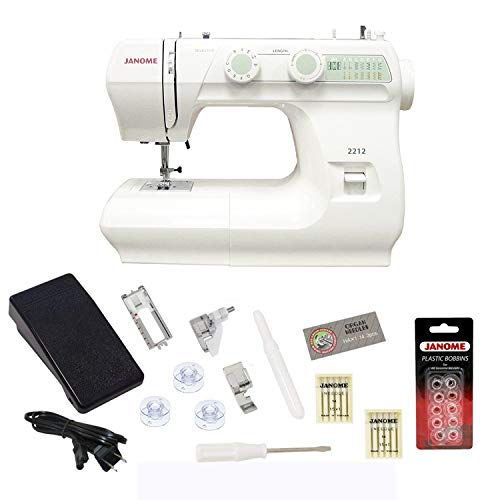
Janome 2212 Mechanical Sewing Machine
A simple mechanical design covers 12 built-in stitches without the complexity or cost of a computerized machine. Front-loading bobbin and manual dial controls keep the learning curve short for first-time sewers. The compact, lightweight body suits storage in small spaces between projects.
Pros
- Lower price than computerized sewing machines
- Simple mechanical controls suit first-time sewers
- Lightweight body is easy to store between projects
Cons
- Fewer stitch options than higher-end machines
- No automatic needle threader included

SINGER Quantum Stylist 9960 Computerized Sewing Machine
A library of 600 built-in stitches covers decorative, quilting and garment construction needs well beyond basic machines. The automatic needle threader and top drop-in bobbin reduce setup friction before each project. A built-in stitch guide on the machine face helps users pick the right stitch for the task.
Pros
- Extensive stitch library covers decorative and garment work
- Built-in stitch guide simplifies choosing the right option
- Top drop-in bobbin is easier to monitor during use
Cons
- More stitches than most hobby sewers will realistically use
- Higher price than simpler mechanical machines

Brother XM2701 Lightweight Sewing Machine
A lightweight frame and 27 built-in stitches strike a balance between features and portability for sewers who travel to classes or move the machine often. Automatic needle threader and adjustable stitch length keep basic functionality intact despite the compact size. A free arm design assists with sewing sleeves and cuffs.
Pros
- Lightweight build suits sewing classes or frequent moving
- Free arm design helps with sleeves and cuffs
- Lower price than heavier computerized machines
Cons
- Fewer stitches than higher-tier computerized models
- Not built for heavy fabrics like denim or canvas
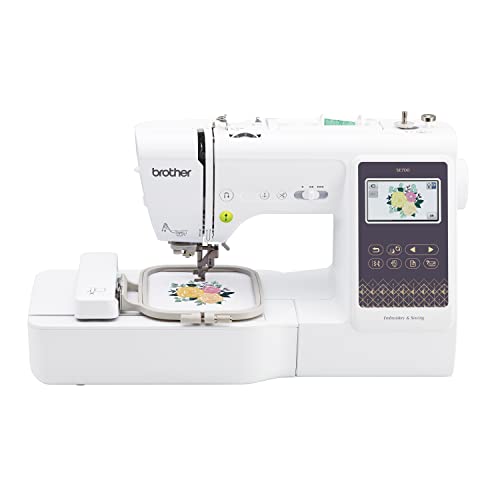
Brother SE625 Sewing and Embroidery Machine
This machine combines standard sewing functions with a smaller embroidery unit, useful for sewers who want occasional embroidery without a dedicated second machine. 103 built-in sewing stitches and 80 embroidery designs cover a wide project range. A USB port allows importing additional embroidery designs from a computer.
Pros
- Combines sewing and light embroidery in one machine
- USB port allows importing additional embroidery designs
- Wide stitch and design count covers varied projects
Cons
- Embroidery hoop area is smaller than dedicated embroidery machines
- Switching between sewing and embroidery setup takes extra time
The lineup, side by side
| # | Model | Built-In Stitches | Best for | Score | Price |
|---|---|---|---|---|---|
| 1 | Brother CS7000X Computerized Sewing Machine | 70 | Best Overall | 9.0 | Check price |
| 2 | Singer Heavy Duty 4432 Sewing Machine | Heavy-duty, high speed | Best for Heavy Fabrics | 8.8 | Check price |
| 3 | Juki HZL-F300 Sewing and Quilting Machine | Wide, quilting focused | Best for Quilting | 8.9 | Check price |
| 4 | Janome 2212 Mechanical Sewing Machine | 12 | Best Budget | 8.3 | Check price |
| 5 | SINGER Quantum Stylist 9960 Computerized Sewing Machine | 600 | Best for Stitch Variety | 8.7 | Check price |
| 6 | Brother XM2701 Lightweight Sewing Machine | 27 | Best Value Lightweight | 8.5 | Check price |
| 7 | Brother SE625 Sewing and Embroidery Machine | 103 | Best for Combination Sewing and Light Embroidery | 8.6 | Check price |
How to choose
What to look for in a sewing machine Stitch count affects project variety, with basic mechanical machines offering a dozen or so stitches and computerized models offering dozens to hundreds. Fabric handling capability, tied to motor strength and frame material, determines whether a machine can manage thick fabrics like denim or canvas. Extension table availability matters most for quilters working on larger projects that need more surface area.
Mechanical machines versus computerized machines Mechanical machines like the Janome 2212 use simple dials for stitch selection, keeping the learning curve short and the price lower. Computerized machines, including the Brother CS7000X and SINGER Quantum Stylist 9960, offer a screen-based stitch library with far more variety but add a small learning curve. Beginners unsure how much variety they need often do well starting with a mechanical machine before upgrading.
Sewing machines built for quilting versus general use Quilting-focused machines like the Juki HZL-F300 offer a wider throat space and extension table for maneuvering larger fabric sections. General-purpose machines, including the Brother XM2701, work fine for garment construction and smaller projects but feel cramped on large quilts. Buyers who quilt regularly should prioritize throat space over stitch count.
Machines that combine sewing and embroidery Combination machines like the Brother SE625 let sewers add embroidery designs without buying a dedicated second machine, though the embroidery hoop area runs smaller than standalone embroidery machines. Sewers who embroider only occasionally benefit from this combined approach, while frequent embroiderers may eventually want a dedicated machine with a larger hoop area.
Frequently asked questions
What is the difference between a mechanical and computerized sewing machine?
A mechanical sewing machine uses manual dials for stitch selection, while a computerized machine uses a digital screen with a larger stitch library and often additional automated features.
How many stitches does a beginner sewing machine need?
A beginner machine with around 20 to 70 stitches, like the Brother CS7000X, covers most garment and craft projects without overwhelming a new sewer with unused options.
Can a regular sewing machine handle denim?
Standard sewing machines can struggle with thick denim, so a heavy-duty model like the Singer Heavy Duty 4432 with a stronger motor handles multiple denim layers more reliably.
What is an extension table used for on a sewing machine?
An extension table, included with machines like the Juki HZL-F300, adds surface area around the needle area, making it easier to support and maneuver large quilting projects.
Do sewing machines need special maintenance?
Most sewing machines benefit from regular cleaning of lint around the bobbin area and occasional oiling, following the manufacturer’s maintenance instructions.
Is an automatic needle threader necessary?
An automatic needle threader, found on most machines in this list, is not strictly necessary but saves time and reduces eye strain during frequent threading.
Can one machine handle both sewing and embroidery?
Yes, combination machines like the Brother SE625 include both sewing stitches and a smaller embroidery unit, though dedicated embroidery machines offer larger hoop areas.
What is the best sewing machine for a beginner on a budget?
The Janome 2212 offers a simple mechanical design and lower price point that suits a first-time sewer learning the basics.
How much does throat space matter for quilting?
Throat space determines how much fabric fits between the needle and the machine body, which matters significantly for maneuvering large quilts, making wider throat machines like the Juki HZL-F300 a better fit.
Our take
Most beginners and intermediate sewers will get the most versatility from the Brother CS7000X, thanks to its wide stitch selection and included extension table. Anyone focused specifically on quilting should choose the Juki HZL-F300 instead for its wider throat space and knee lifter. Buyers just starting out on a tight budget should skip computerized machines entirely and go with the simple, mechanical Janome 2212.
Jake Monroe
Jake worked as a residential contractor for over a decade before shifting to full-time writing. He evaluates power tools, hand tools and workshop gear through the lens of someone who has actually used them on job sites, not just read the box.