Sandpaper That Holds Its Grit Through a Full Project
3M Pro Grade Precision Sandpaper Sheets lead this comparison for general purpose work, thanks to an anti clog coating that outlasts standard aluminum oxide paper. 3M Wetordry Sandpaper handles automotive paint and clear coat prep. Norton 3X Sanding Sheets deliver the best value for anyone sanding through a large volume of material.
Most sanding jobs go faster with the 3M Pro Grade Precision Sandpaper Sheets, since the anti clog coating keeps cutting long after ordinary aluminum oxide paper glazes over. Automotive paint and clear coat work calls for the 3M Wetordry Sandpaper instead, because its waterproof backing suits wet sanding. Norton 3X Sanding Sheets cost less per sheet and still hold up through heavy use.
A grit number alone says nothing about how long a sheet survives or which material it suits. Abrasive mineral, backing weight and any anti clog treatment matter more than the number printed on the back. We compared specifications, reported working life and owner feedback across seven current sandpaper products, then ranked each one by the job it handles best.
Our top picks

3M Pro Grade Precision Sandpaper Sheets
A structured abrasive pattern keeps this sheet cutting long after standard aluminum oxide paper glazes over. Anti clog coating sheds paint and wood dust before it can clog the surface. Flexible backing resists tearing at edges and corners, where cheaper sheets usually fail first.
Pros
- Holds a cutting edge far longer than standard paper
- Edges resist tearing during hand sanding
- Produces an even scratch pattern across the sheet
Cons
- Priced above basic aluminum oxide sheets
- Not rated for wet sanding applications
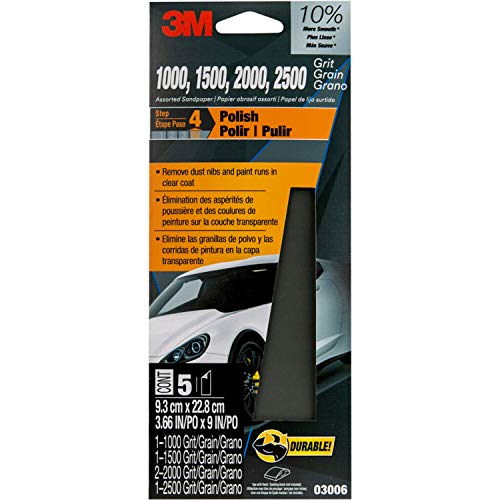
3M Wetordry Sandpaper Assorted Grit Pack
Silicon carbide abrasive bonded to a waterproof backing is the standard combination for automotive clear coat and primer work. Water washes away swarf that would otherwise clog the grit and mar the panel. Assorted grits in one pack cover a full paint prep sequence without separate purchases.
Pros
- Built specifically for wet sanding technique
- Silicon carbide cuts hard coatings cleanly
- One pack spans an entire paint sequence
Cons
- Wet sanding is slower and messier than dry
- Fine grits load fast once water runs low

Mirka Abranet Sanding Discs
Open mesh construction lets dust pass through the entire disc surface, not just a few punched holes. Connected to a shop vacuum, it pulls nearly all sanding dust away from the work. Owners report the mesh can be rinsed clean and reused several times before it dulls.
Pros
- Extraction pulls almost all dust into the vacuum
- Stays sharp longer on painted or sealed surfaces
- Rinses clean for repeated use
Cons
- Advantage depends on having a vacuum attached
- Mesh can snag on sharp panel edges
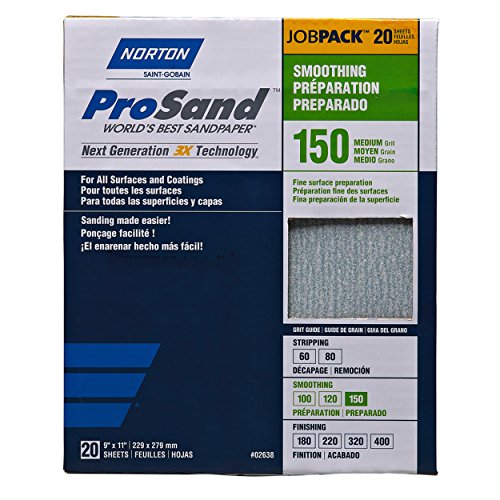
Norton 3X Sanding Sheets
This general purpose sheet cuts at a steady rate without the price tag of a structured abrasive. Wood, filler and everyday workshop tasks are its natural fit. Owners report it resists clogging on painted surfaces better than typical budget paper.
Pros
- Strong balance of cost and working life
- Wide grit range available in one line
- Cuts quickly from the very first pass
Cons
- Paper backing tears easily at edges
- Clogs sooner than coated premium sheets

Dura-Gold Premium Sandpaper Sheets
Large sheet packs suit body filler work and panel prep, where sheets get used up fast. Long boards and block sanding are the intended use, not delicate finish passes. Volume packaging is the main reason body shops reach for sheets like these.
Pros
- Bulk packaging suits filler heavy projects
- Grit stays consistent sheet to sheet
- Sized to fit common sanding blocks
Cons
- Not designed for fine finish sanding
- Backing runs stiffer than flexible sheets
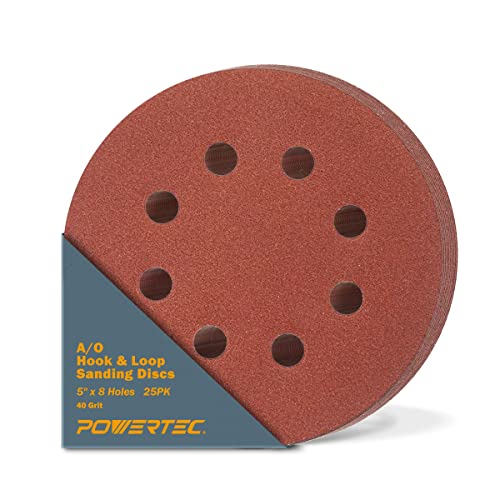
POWERTEC Hook and Loop Sanding Discs
Bulk packs of five inch hook and loop discs fit most random orbit sanders without an adapter. Standard hole patterns line up with common dust ports on the market. Individual disc life runs average, so the value comes from buying in volume.
Pros
- Low cost per disc when bought in bulk
- Fits most common random orbit sanders
- Assorted grit packs cover several jobs
Cons
- Working life per disc is only average
- Hole pattern will not suit every sander

Gator Finishing Assorted Sandpaper Sheets
An assorted grit pack covers occasional household jobs without committing to a full box of one grit. Painted surfaces cause it to glaze faster than premium sheets, which is the expected tradeoff at this price. For a drawer of general use paper, it covers the basics.
Pros
- Cheapest way to stock several grits at once
- Adequate for light, occasional household tasks
- Tears easily by hand to size
Cons
- Glazes quickly on paint and filler
- Backing wears through under block sanding
How to choose
What sandpaper grit numbers mean Grit number counts abrasive particles per square inch, so lower numbers mean coarser paper. Grits from 40 to 80 strip old finish and remove material fast. Moving to 100 through 150 shapes and levels a surface. Values around 180 to 220 prepare wood or filler for finishing coats. Anything past 320 works between coats or for final polishing. Skipping more than one grit step leaves scratches the next grit cannot fully remove.
Aluminum oxide vs silicon carbide vs ceramic abrasives Aluminum oxide handles wood, metal and filler, and it fractures as it dulls to expose fresh cutting edges. Silicon carbide runs harder and sharper, which suits paint, glass and wet sanding, though it dulls faster on wood fiber. Ceramic abrasives cost more and target aggressive stock removal on hardwood and metal. Matching mineral to material changes results more than upgrading to a pricier sheet of the wrong type.
Wet sanding for automotive paint and clear coat Wet sanding pulls debris away with water, so the abrasive stays clear and the finish comes out smoother. Automotive clear coat and primer work depend on this method. Between coats of varnish, a quick wet pass also levels the surface before the next layer. Waterproof backing is required, since standard paper backing disintegrates when soaked. Expect the process to run slower and messier than dry sanding, and use a block to keep the surface flat.
Sanding by hand vs with an orbital sander Random orbit sanders cover large flat areas quickly and suit bulk material removal. Hand sanding with a block gives more control on edges, profiles and final passes near trim. Most projects use both tools in sequence, machine first and hand sanding to finish. Dust extraction matters more with a machine, since a connected vacuum keeps the work area breathable and the grit cutting longer. Backing weight also plays a role here, since heavier backing survives block sanding better than light sheet paper.
Side by side
| # | Model | Abrasive | Best for | Score | Price |
|---|---|---|---|---|---|
| 1 | 3M Pro Grade Precision Sandpaper Sheets | Precision shaped aluminum oxide | Best overall | 9.4 | Check price |
| 2 | 3M Wetordry Sandpaper Assorted Grit Pack | Silicon carbide | Best for wet sanding | 9.2 | Check price |
| 3 | Mirka Abranet Sanding Discs | Open mesh sanding disc | Best for dust extraction | 9.0 | Check price |
| 4 | Norton 3X Sanding Sheets | Aluminum oxide blend | Best value | 8.8 | Check price |
| 5 | Dura-Gold Premium Sandpaper Sheets | Aluminum oxide | Best for auto body prep | 8.6 | Check price |
| 6 | POWERTEC Hook and Loop Sanding Discs | 5 inch hook and loop discs | Best for orbital sanders | 8.3 | Check price |
| 7 | Gator Finishing Assorted Sandpaper Sheets | Aluminum oxide | Best budget | 8.0 | Check price |
Good to know
What grit sandpaper should I start with?
Start with the finest grit that still finishes the job in reasonable time. Heavy paint removal or reshaping calls for 60 to 80 grit. General leveling works well at 100 to 150. Final prep before finishing coats needs 180 to 220. Starting too coarse just creates deeper scratches to sand out later.
Can regular sandpaper be used wet?
No, standard paper backing falls apart once it gets soaked. Wet sanding needs sheets marked wet or dry, built on a waterproof backing and usually paired with silicon carbide abrasive. Using ordinary paper wet ruins the sheet and wastes the effort.
Why does sandpaper clog so fast on some surfaces?
Soft, warm or still curing surfaces are the usual cause, especially fresh paint and some fillers. Anti clog coated sheets help resist this. Letting a coating cure fully before sanding, and clearing the paper with a rubber cleaning stick, also extends its life.
What grit is used for wet sanding car paint?
A typical sequence runs from around 1000 through 1500 and on to 2000 or finer, followed by compounding and polishing. Starting finer than expected protects the clear coat from being cut through. Step back to a coarser grit only if progress feels too slow.
Is expensive sandpaper worth it over cheap assorted packs?
Often yes, when cost is measured per project instead of per sheet. Premium abrasives keep cutting longer before glazing, which cuts down on sheet changes and total time. For light, occasional household work, a cheap assorted pack is still a reasonable choice.
How do you know when a sanding sheet needs replacing?
A worn sheet stops removing material at the same rate and starts polishing the surface instead. Glazed paper feels smooth to the touch and generates heat rather than dust. Continuing with a worn sheet burnishes wood, which can cause uneven stain absorption later.
Is hand sanding better than using an orbital sander?
Neither wins outright, since each suits a different stage. Orbital sanders move faster across large flat panels. Hand sanding with a block gives finer control on edges, profiles and the final pass before finishing.
Can sanding discs be reused after they load up?
Mesh discs like Abranet rinse clean and go back to work several times, which is part of their value. Paper backed discs can be tapped or brushed to extend life slightly, though cleaning will not restore a truly dull abrasive.
What is the difference between aluminum oxide and silicon carbide sandpaper?
Aluminum oxide fractures as it wears, exposing fresh cutting edges, and suits wood, metal and filler. Silicon carbide runs sharper and harder, which suits paint, glass and wet sanding but dulls faster on wood. Choosing the wrong mineral for the material wastes more sheets than choosing the wrong grit.
Our take
3M Pro Grade Precision Sandpaper Sheets earn the top spot for general workshop use, since the anti clog coating and tear resistant backing outlast cheaper paper by a wide margin. Automotive paint prep still calls for the 3M Wetordry Sandpaper specifically, given its waterproof backing and silicon carbide grit. Anyone sanding with a shop vacuum attached should try the Mirka Abranet Sanding Discs for the dust difference alone.
Tony Russo
Tony trained as an automotive technician and spent years in service and parts retail before moving into writing. He focuses on garage tools, car care products and accessories from a hands-on maintenance perspective.


