Which Roller Skates Work Best for Rink or Street?
Impala Quad Roller Skates lead this roundup for beginners, pairing a supportive high top boot with wheels that handle both rinks and pavement. Moxi Lolly wins for smooth outdoor cruising, and Riedell R3 fits skaters training for derby or speed work on rink floors.
Impala Quad Roller Skates suit most first time buyers, thanks to ankle support and wheels that cross over between rinks and paths. Moxi Lolly leads for outdoor comfort, while Riedell R3 targets derby and speed training.
Roller skate shopping goes wrong when a rink friendly pair turns unsafe on rough pavement, purely from wheel hardness. We compared boot construction, wheel durometer, bearing ratings and plate material, and checked what owners report about sizing and break in time.
The shortlist, ranked
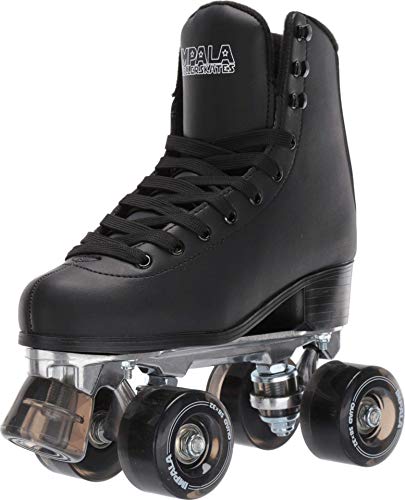
Impala Quad Roller Skates
A high top vegan leather boot supports the ankle without the stiffness of a derby boot. Softer 82A wheels roll well on both pavement and rink floors. Owners report the fit runs about a size small, so ordering up usually helps.
Pros
- Supportive boot for beginners
- Wheels handle indoor and outdoor surfaces
- Wide range of colors
Cons
- Sizing runs small
- Nylon plate limits advanced skating

Moxi Lolly Roller Skates
Suede uppers and a padded last make these comfortable during long outdoor sessions. Soft 78A wheels absorb rough pavement instead of transmitting shock into the ankles. This is a premium purchase suited to skaters committed to regular outdoor rolling.
Pros
- Comfortable during long sessions
- Soft wheels smooth out rough pavement
- Quality suede boot construction
Cons
- Higher price than casual options
- Suede marks in wet weather

Riedell R3 Roller Skates
A low cut boot and aluminum plate deliver the responsiveness derby and speed skating demand. Harder 88A wheels suit polished rink floors, not outdoor paths. Owners report this is a common first pair for skaters joining a derby league.
Pros
- Responsive aluminum plate
- Common entry choice for derby leagues
- Solid value for the component quality
Cons
- Limited ankle support for new skaters
- Indoor wheels only

Sure-Grip Boardwalk Roller Skates
Large 65mm wheels roll over cracks and grit with less vibration than harder compounds. A leather high top boot adds support during long boardwalk sessions. This design favors leisurely cruising over jumps or aggressive tricks.
Pros
- Smooths out rough pavement
- Comfortable high top boot
- Good ankle support for casual skating
Cons
- Not built for indoor rinks
- Heavier than derby style skates

Chicago Skates Bullet Speed Skates
A low cut speed boot and harder wheels help these move quickly around a rink. Pricing sits well below dedicated speed skate brands. Owners report the stock bearings benefit from an upgrade after regular use.
Pros
- Quick lap times on rink floors
- Affordable speed style option
- Lightweight on the foot
Cons
- Minimal ankle support
- Stock bearings are basic

Roller Derby Elite Sting 5500 Skates
An aluminum plate and adjustable trucks bring derby level tuning to an entry level price. Stiffer boot construction improves control once broken in. Indoor wheels can be swapped for an outdoor set later.
Pros
- Aluminum plate at a lower price
- Adjustable trucks for fine tuning
- Improves noticeably after break in
Cons
- Break in period feels stiff at first
- Not comfortable for outdoor cruising
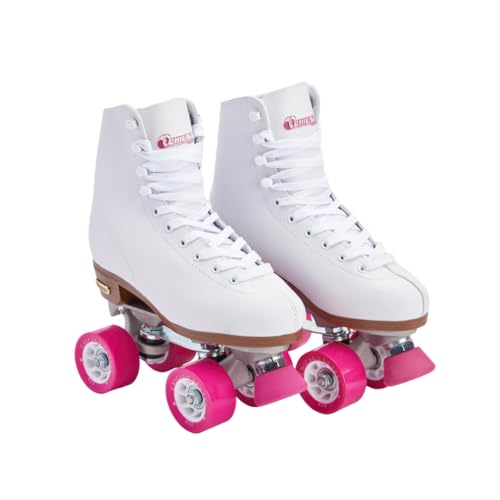
Epic Skates Classic High-Top Roller Skates
A high top boot with basic components covers occasional rink visits at low cost. Support stays adequate for casual skating at moderate speeds. Owners report the bearings and wheels are the first upgrades worth making.
Pros
- Low entry cost
- Reasonable ankle support for the price
- Fine for occasional rink sessions
Cons
- Components wear quickly under heavy use
- Boot padding feels thin
Before you buy
What actually decides how a roller skate feels Durometer, the wheel hardness rating followed by an A, decides where a skate performs best. Between 78A and 82A, wheels grip rough pavement and soak up vibration. Above 88A, wheels slide predictably across polished rink floors instead of gripping outdoor grit. Boot cut changes how much the ankle can move. High top boots lock the ankle in place, which suits most beginners. Low cut boots free up movement for derby, jam and speed skating. Underfoot, the plate decides how directly power transfers. Nylon keeps things light and affordable for casual sessions, while aluminum handles the impacts of derby skating.
Best roller skates for outdoor paths versus indoor rinks Outdoor paths add cracks, grit and small pebbles that a hard wheel cannot absorb. Soft wheels in the 78A to 82A range roll over that debris and cushion the ride. Indoor rinks are smooth and polished, so harder wheels from 85A to 95A slide with less resistance. Using indoor wheels outside feels unstable, since they catch on grit instead of rolling over it. Skates marketed for outdoor cruising, like the Sure-Grip Boardwalk or Moxi Lolly, ship with the softer compound by default. Rink focused skates such as the Riedell R3 come with harder wheels built for that surface.
Choosing skates for beginners versus derby and speed skaters Beginners benefit most from a high top boot and mid range wheel hardness around 80A to 82A, since that combination forgives mistakes while learning balance. Derby and speed skaters need a low cut boot for ankle mobility and an aluminum plate for responsiveness. Wheel choice also shifts with skill level. New skaters do fine on softer, forgiving wheels, while advanced rink skaters prefer harder compounds for speed. A skate like the Roller Derby Elite Sting 5500 bridges the gap, offering derby style tuning at a lower entry cost.
Sizing, break in time and protective gear to plan for Sizing charts vary by brand, so measuring the foot in centimeters beats guessing from shoe size. Impala skates commonly run about a size small, based on owner feedback. New boots need a break in period before they feel natural, often a few sessions of regular wear. Budget for protective gear alongside the skates themselves. Wrist guards prevent the most common beginner injury, since the instinct is to catch a fall with an open hand. A helmet, knee pads and elbow pads round out a safe starter kit.
Compared at a glance
| # | Model | Boot | Best for | Score | Price |
|---|---|---|---|---|---|
| 1 | Impala Quad Roller Skates | High top vegan leather | Best overall | 9.4 | Check price |
| 2 | Moxi Lolly Roller Skates | Suede leather upper | Best for outdoor paths | 9.2 | Check price |
| 3 | Riedell R3 Roller Skates | Low cut vinyl and leather | Best for derby training | 9.0 | Check price |
| 4 | Sure-Grip Boardwalk Roller Skates | Leather high top | Best for casual outdoor cruising | 8.8 | Check price |
| 5 | Chicago Skates Bullet Speed Skates | Low cut speed style | Best for rink speed | 8.6 | Check price |
| 6 | Roller Derby Elite Sting 5500 Skates | Stiff low cut | Best value for derby leagues | 8.3 | Check price |
| 7 | Epic Skates Classic High-Top Roller Skates | High top synthetic | Best budget pick | 8.0 | Check price |
Common questions
Are quad skates or inline skates easier for beginners?
Quads balance more easily at a standstill because of the wider wheel base, which is why rinks hand them to first timers. Inline skates move faster over distance and roll smoother across rough outdoor surfaces thanks to larger wheels.
What wheel hardness should a beginner buy?
Outdoor skating calls for 78A to 82A wheels. Indoor rinks call for 88A and above. A single pair around 82A works as a compromise, since it still rolls acceptably indoors.
Do roller skates run true to size?
Not always. Impala listings are widely reported to run about a size small, while Riedell uses its own sizing chart. Check each brand’s chart and measure feet in centimeters rather than assuming a regular shoe size.
What does an ABEC bearing rating mean?
ABEC measures manufacturing tolerance, not top speed. Higher numbers mean tighter tolerances, which can smooth out rolling, though bearing material and upkeep matter just as much. ABEC 5 to 7 covers recreational skating needs.
Can indoor roller skates be used outside?
Hard indoor wheels skid on grit and transmit every crack in the pavement. Swapping in a softer outdoor wheel set is inexpensive and turns most indoor skates into capable outdoor ones.
How do you stop on roller skates?
The toe stop is the standard beginner method, dragged lightly behind the trailing foot. Plough stops and t-stops come later, once balance improves. Adjust the toe stop to a height that is reachable without overbalancing.
How long does it take to learn roller skating?
Most beginners can roll forward and stop within a few sessions. Confident turning and skating backward usually take several weeks of regular practice. Starting on a smooth, flat surface away from traffic speeds up progress.
What maintenance do roller skates need?
Check truck and axle nuts periodically, since vibration loosens them over time. Rotate wheels occasionally to even out wear, and clean bearings if they start sounding gritty. Water is the fastest way to ruin bearings, so dry them right away if that happens.
Which roller skates work best for derby training?
Skates with a low cut boot and an aluminum plate, such as the Riedell R3 or Roller Derby Elite Sting 5500, give the responsiveness derby practice demands. Both ship with indoor rink wheels suited to polished floors.
The bottom line
Impala Quad Roller Skates remain the safest first pick, combining ankle support with wheels that cross over between rinks and paths. Choose the Moxi Lolly for regular outdoor cruising, or the Riedell R3 if derby training is the goal. Budget shoppers can start with the Epic Skates Classic and upgrade components as skating becomes a habit.
Derek Holt
Derek has a background coaching recreational and amateur athletes and has worked the sales floor at specialty fitness retailers. He focuses on equipment durability, ergonomics and realistic use cases rather than marketing claims.