Bulk ride on toys that survive daycare floors
Little Tikes Cozy Coupe is the safest model to order in multiples, with no batteries or gears to break across years of shared use. PlasmaCar carries children past five and takes 220 pounds. Fisher-Price Laugh and Learn Crawl Around Car fills the six month to three year gap.
Little Tikes Cozy Coupe is the backbone of most bulk orders. Ages 18 months to five years fit it, nothing on it needs charging, and the floor panel lifts out so an adult can push a younger child. Storage is the catch, since the shells never nest and each one eats real floor space.
Buying eight ride on toys is a logistics problem more than a features problem. You are matching mixed ages to one cupboard and a finite assembly afternoon. We compared stated age ranges, weight limits, indoor and outdoor surface needs, and assembly time per unit, then read owner feedback from daycares and party hosts running these every day.
How to choose
What changes when you order in bulk Three things outrank features once quantity climbs. Durability leads, because one broken unit in a set of eight means a child without a turn every session. Storage comes next, since almost nothing nests and a cupboard fills by the fourth car. Assembly is the hidden cost: 30 minutes each turns a ten unit order into a lost afternoon. Simple foot powered designs win all three, which is why Cozy Coupes fill so many daycare floors.
Matching age bands across a mixed group One model rarely covers a whole nursery. Fisher-Price Laugh and Learn handles six months to three years. Cozy Coupe picks up at 18 months, and PlasmaCar starts at three. Ordering across two or three bands keeps the youngest occupied instead of watching from the mat. Weight limits matter as much as ages, since the 50 pound ceiling on plastic cars arrives around age five.
Indoor floors vs outdoor play areas Surface decides what is usable at all. PlasmaCar needs smooth hard flooring and stops dead on carpet or grass. Cozy Coupe and Step2 Whisper Ride II roll fine on pavement, though rough concrete chews plastic wheels. Powered trucks manage short grass but drain far quicker on it. Sites with both an indoor room and a yard usually split the order rather than hunting for one model that does everything.
Buying for parties and short-term events Party use inverts the daycare problem. You want high novelty for four hours, then compact storage for months. Best Choice Products 12V truck delivers the novelty, though runtime caps how many children ride before a recharge. A workable mix is one or two powered units plus a stack of PlasmaCars, which never need charging and carry adults too. For daily group care, skip powered trucks altogether.
What we recommend

Little Tikes Cozy Coupe Ride-On
Batteries, gears and motors are all absent, which is precisely why it outlasts fancier cars in a shared playroom. Children from roughly 18 months to five years fit, and lifting out the floor panel turns it into a push car for younger toddlers. Childcare owners report shells surviving years outdoors, with the front wheels the first part to wear through.
Pros
- Nothing electronic to charge or fail
- 18 month to 5 year span suits mixed groups
- Runs foot powered or parent pushed
Cons
- Shells will not stack, so storage fills fast
- Front wheels wear down on rough concrete

PlasmaCar by PlaSmart Ride-On
Turning the wheel is what drives it, using inertia instead of pedals or a motor. A 220 pound limit means older siblings and staff can ride without stressing the frame. Surface is the one hard condition: gym floors and hard tile work, carpet and grass do not.
Pros
- 220 pound limit covers older kids and adults
- Low profile shape stores tighter than a car
- No charging or batteries to manage
Cons
- Dead on carpet, grass and rough paving
- Needs open floor space to be worth riding

Radio Flyer Scoot 2 Pedal 2-in-1 Ride-On
One frame covers two stages: scoot-along first, then a pedal trike once legs reach. That matters in a bulk order, because a daycare buys fewer total units to span the same ages. Switching modes needs a tool, and assembly runs longer per unit than a one-piece push car.
Pros
- Two developmental stages from one unit
- Narrow footprint fits tight storage
- Teaches pedalling on a stable frame
Cons
- Converting between modes requires tools
- Slower to assemble than a push car

Fisher-Price Laugh and Learn Crawl Around Car
Floor level design reaches the six month to three year band that ride on cars miss entirely. Babies crawl through the opening first, later pull to stand on the frame, then work the dashboard as toddlers. AA cells run the sound panel, so budget batteries across every unit in the order.
Pros
- Serves the pre-walking age group
- Frame supports pulling up to stand
- Three play stages as a child grows
Cons
- AA batteries add ongoing cost in bulk
- Not a ride on toy for children past three

Step2 Whisper Ride II Push Buggy
An adult does the pushing here, through a rear handle, making this a walking vehicle rather than a self-propelled one. Seat belt and cup holder keep longer outings manageable, and quiet wheels stay tolerable on indoor floors. Staffing is the tradeoff, since every unit in use ties up one adult.
Pros
- Seat belt adds control on group outings
- Quiet wheels on pavement and hard floors
- Handle detaches for independent play
Cons
- One adult needed per vehicle in use
- Wider storage footprint than a trike

Radio Flyer Classic Walker Wagon with Blocks
Two children share one unit: one pushes the handle, another loads blocks into the bed. Wood with steel hardware handles years of nursery traffic, and a wheel resistance mechanism stops runaway rolling for new walkers. Blocks vanish fast in a group room, so count on replacing sets.
Pros
- Occupies two children per unit
- Wheel resistance steadies unsure walkers
- Wood body outlasts thin plastic shells
Cons
- Loose blocks go missing in group settings
- Heavier to lift onto a storage shelf
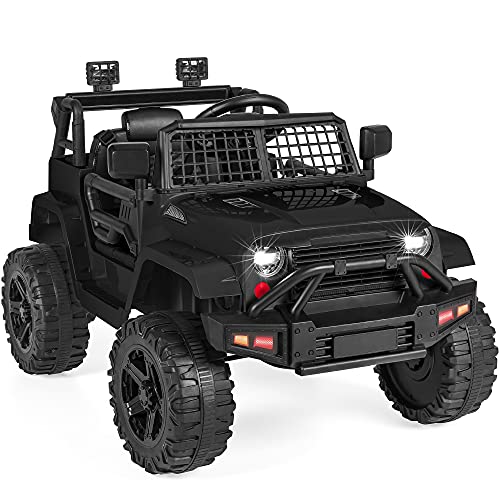
Best Choice Products 12V Ride-On Truck
Novelty is what a powered truck buys you, and it keeps a party queue moving. Parent remote overrides the pedal, useful when a three year old aims straight for the flower beds. Runtime per charge is short, so events need a rotation, and charging several units takes most of a day.
Pros
- Remote lets an adult steer or stop it
- Two forward speeds suit a wider age span
- Strong draw in a party queue
Cons
- Short runtime between charges
- Charging a fleet needs planning and outlets
How they compare
| # | Model | Age range | Best for | Score | Price |
|---|---|---|---|---|---|
| 1 | Little Tikes Cozy Coupe Ride-On | 18 months to 5 years | Best overall | 9.4 | Check price |
| 2 | PlasmaCar by PlaSmart Ride-On | 3 years and up | Best for ages 3 and up | 9.2 | Check price |
| 3 | Radio Flyer Scoot 2 Pedal 2-in-1 Ride-On | 1 to 4 years | Best for learning to pedal | 9.0 | Check price |
| 4 | Fisher-Price Laugh and Learn Crawl Around Car | 6 months to 3 years | Best for infants and early walkers | 8.7 | Check price |
| 5 | Step2 Whisper Ride II Push Buggy | 18 months to 4 years | Best for parent-pushed outings | 8.5 | Check price |
| 6 | Radio Flyer Classic Walker Wagon with Blocks | 12 months and up | Best for shared group play | 8.3 | Check price |
| 7 | Best Choice Products 12V Ride-On Truck | 3 to 6 years | Best for parties and events | 8.0 | Check price |
Common questions
Can you buy ride on toys in bulk packs?
Most brands sell singles rather than multipacks, so a bulk order usually means several individual units in one cart. Some sellers expose a quantity option on the listing, worth checking before you place seven separate orders.
What age are ride on toys for?
Roughly six months to six years, depending on the model. Crawl-through cars start earliest, foot powered cars around 18 months, and battery powered vehicles generally from three years.
Which ride on toys are best for daycares?
Models with no batteries and few moving parts survive longest. Little Tikes Cozy Coupe and PlasmaCar dominate for that reason: nothing to charge, almost nothing to break, and no seasonal battery budget.
How much storage space does a ride on toy need?
Plan roughly a square metre of floor per full-size car, because the shells do not nest. PlasmaCars and trikes pack far tighter, which starts to matter past six or eight units.
Are battery powered ride on toys worth it for groups?
At parties, yes, since novelty holds attention through a queue. For daily group use they disappoint, because charge cycles limit availability and packs degrade after a year or two of heavy rotation.
What weight limit do ride on toys have?
Foot powered cars usually stop near 50 pounds, covering children up to about five years. PlasmaCar is the outlier at 220 pounds, so older children and supervising adults can ride it.
Do ride on toys work on carpet?
Some do, some do not. Cozy Coupe and push buggies roll on low pile carpet with extra effort. PlasmaCar needs a hard smooth surface and will not move on carpet at all.
How long does assembly take per unit?
Foot powered cars typically run 20 to 40 minutes each. Battery powered trucks take longer because of wiring and wheel hardware. Multiply that figure by your order size before committing to a model.
Cozy Coupe vs PlasmaCar: which suits a mixed age group?
Cozy Coupe covers the younger half, from 18 months, and works outdoors. PlasmaCar handles three year olds upward but only on smooth indoor flooring. Groups spanning both ages tend to order some of each.
The bottom line
Order Little Tikes Cozy Coupe as the backbone of any bulk purchase, since nothing on it can run flat or short out and the 18 month to five year span covers most of a nursery roll. Add PlasmaCars for the older children and for indoor gym floors, where the 220 pound limit lets staff join in. Anyone buying for weekly events rather than daily care should flip that order and start with the Best Choice Products 12V truck.
Rachel Simmons
Rachel previously worked in child-product retail and brings a practical, detail-first eye to gear reviews, focusing on safety standards, ease of use and the fine print that matters most for new caregivers.