Rice Washing Bowls That Drain Without Losing Grains
The Sori Yanagi Stainless Steel Strainer Bowl suits most cooks with a punched-steel design that drains without a separate colander. Budget buyers do better with the Tebery stainless colander, while small kitchens benefit from the compact Zicome rice washing bowl.
The Sori Yanagi Stainless Steel Strainer Bowl leads this list for anyone washing rice daily and wanting a design that lasts for years. Punched drainage holes let wash water out while keeping grains in, though it costs more than a generic stainless bowl.
We compared hole pattern, material gauge and capacity across product listings rather than running a side-by-side wash test.
Our top picks

Sori Yanagi Stainless Steel Strainer Bowl
Punched steel drainage holes let wash water escape without needing a separate colander underneath. The rounded bowl shape keeps rice grains from slipping over the rim during a vigorous rinse. This design has held up to decades of daily kitchen use in many households.
Pros
- Punched steel design drains wash water without a separate colander
- Rounded shape keeps rice grains from escaping over the rim
- Iconic design holds up to decades of daily use
Cons
- Higher price than generic stainless steel bowls
- No handle, so wet hands grip the smooth rim directly

Yoshikawa Rice Washing Bowl
A fine mesh drainage pattern keeps even small rice grains from slipping out during rinsing. The traditional shape nests neatly with other bowls for compact storage. A lightweight build stays easy to handle even when filled with water.
Pros
- Fine mesh pattern keeps even small rice grains from draining out
- Traditional shape nests neatly for storage
- Lightweight build is easy to handle when full of water
Cons
- Fine holes can clog with starchy residue if not rinsed promptly
- Smaller capacity than general purpose colanders

Tebery Stainless Steel Rice Washing Colander
A wide base stays stable while rinsing rice under running water instead of tipping in the sink. Cost sits below imported design-brand bowls while still covering the basic task well. It doubles for washing beans and small vegetables beyond rice alone.
Pros
- Wide base stays stable while rinsing rice under running water
- Lower price than imported design-brand bowls
- Doubles for washing beans and small vegetables
Cons
- Holes are larger than fine mesh designs, risking grain loss
- Finish is less polished than premium stainless lines

OXO Good Grips Colander with Handle
A side handle allows draining with one hand over a sink instead of gripping the bowl’s rim. A footed base keeps the colander stable on a countertop between uses. Beyond rice, the same bowl works for pasta and vegetable draining.
Pros
- Side handle allows one-hand draining over a sink
- Footed base keeps the colander stable on a countertop
- Works for pasta and vegetables beyond just rice
Cons
- Plastic handle is the one part not fully stainless steel
- Less traditional shape than dedicated rice washing bowls

Cuisinart Stainless Steel Strainer
Heavy gauge steel resists denting better than a thin, lightweight bowl under daily use. Mid-size capacity suits both a small weeknight batch and a larger family-size wash. Wide brand availability makes replacement parts easy to find later.
Pros
- Heavy gauge steel resists denting better than thin bowls
- Mid-size capacity suits both small and family-size rice batches
- Brand backing offers wide replacement part availability
Cons
- Mesh pattern is coarser than fine rice-specific designs
- Bulkier shape than slim Japanese-style bowls

Zicome Stainless Steel Rice Washing Bowl
A compact size suits single portions or a small household better than a large family-sized bowl. The nesting shape stores inside other bowls, saving cabinet space. A lightweight build stays easy to maneuver even when wet.
Pros
- Compact size suits single portions or small households
- Nesting shape stores inside other bowls to save space
- Lightweight build is easy to maneuver when wet
Cons
- Small capacity requires multiple batches for larger meals
- Thinner gauge steel than premium strainer bowls
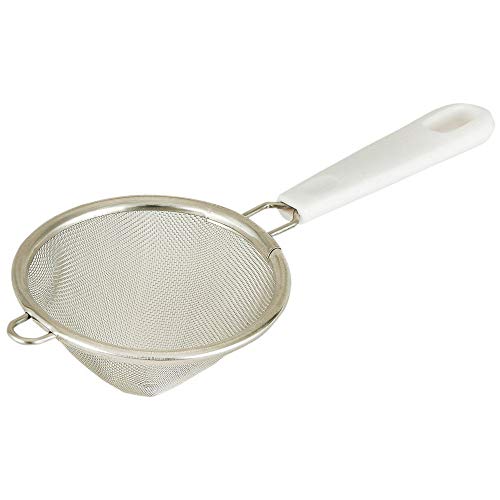
Kai House Select Rice Washing Strainer
A reinforced rim resists bending from repeated daily washing better than a plain stamped edge. Fine mesh drainage suits short grain rice varieties that slip through wider holes. The brand is known for precision kitchen tool manufacturing beyond this one bowl.
Pros
- Reinforced rim resists bending from repeated daily washing
- Fine mesh pattern suits short grain rice varieties
- Brand known for precision kitchen tool manufacturing
Cons
- Fine mesh needs more thorough rinsing to clear starch buildup
- Higher price than basic domestic strainer bowls
What to look for
What a rice washing bowl does differently than a regular colander A rice washing bowl combines a mixing bowl shape with built-in drainage, skipping the need for a separate colander. Hole size matters more here than in general straining, since rice grains are smaller than pasta or vegetables. A rounded bowl shape, like the Sori Yanagi design, also makes swirling rice by hand easier than a flat-bottomed pan. Capacity should match typical batch size rather than always buying the largest option available.
Fine mesh versus wide-hole drainage designs Fine mesh patterns, like the Yoshikawa and Kai House Select bowls, hold back even small or broken rice grains. Wider hole patterns, such as the Tebery colander, drain faster but risk losing some grains during a vigorous wash. Short grain and sushi rice tend to need finer mesh than long grain varieties. Choosing hole size should depend on the type of rice washed most often in that kitchen.
Choosing a bowl size for small versus family batches A compact bowl, like the Zicome pick, suits a single person or couple cooking smaller portions regularly. Mid-size bowls, such as the Cuisinart strainer, flex between a small weeknight batch and a larger weekend meal. Family-size batches benefit from a wider bowl that avoids rice spilling over the rim during rinsing. Buying one bowl sized for the largest typical batch avoids needing a second bowl later.
Cleaning starch buildup from mesh holes Rinsing a bowl immediately after use prevents starch from drying and clogging the drainage holes. A soft brush works better than a scouring pad for clearing starch from fine mesh without scratching it. Soaking a clogged bowl briefly in warm water loosens dried starch before scrubbing. Drying the bowl fully before storage helps prevent water spots on polished stainless steel.
How they stack up
| # | Model | Material | Best for | Score | Price |
|---|---|---|---|---|---|
| 1 | Sori Yanagi Stainless Steel Strainer Bowl | Stainless steel, punched drainage holes | Best Overall | 9.0 | Check price |
| 2 | Yoshikawa Rice Washing Bowl | Stainless steel | Best for Traditional Japanese Design | 8.7 | Check price |
| 3 | Tebery Stainless Steel Rice Washing Colander | Stainless steel | Best Budget Pick | 8.2 | Check price |
| 4 | OXO Good Grips Colander with Handle | Stainless steel with plastic handle | Best for Multi-Purpose Use | 8.4 | Check price |
| 5 | Cuisinart Stainless Steel Strainer | Heavy-gauge stainless steel | Best for Durability | 8.3 | Check price |
| 6 | Zicome Stainless Steel Rice Washing Bowl | Stainless steel | Best for Small Kitchens | 8.1 | Check price |
| 7 | Kai House Select Rice Washing Strainer | Stainless steel | Best for Fine Mesh Draining | 8.5 | Check price |
Questions worth asking
What is the best rice washing bowl overall?
The Sori Yanagi Stainless Steel Strainer Bowl combines a punched-steel design with decades of proven daily use.
What is the difference between a rice washing bowl and a regular colander?
A rice washing bowl has finer drainage holes and a rounded shape built specifically to hold small grains while draining.
Does mesh hole size matter for washing rice?
Yes, finer mesh holds back small or broken grains better, while wider holes drain faster but risk losing some rice.
What bowl size works best for a small household?
The Zicome Stainless Steel Rice Washing Bowl’s compact size suits single portions or a small household well.
Can a rice washing bowl be used for other foods?
Yes, most rice washing bowls also work for rinsing beans, small vegetables and other similar pantry staples.
Are stainless steel rice bowls better than plastic ones?
Stainless steel resists staining and holds its shape better over years compared to most plastic alternatives.
How do I stop rice grains from draining through the holes?
Choosing a bowl with finer mesh, like the Yoshikawa or Kai House Select picks, reduces grain loss during rinsing.
What is the most affordable rice washing bowl?
The Tebery Stainless Steel Rice Washing Colander costs less than imported design-brand bowls.
Do rice washing bowls need a handle?
A handle, like the one on the OXO Good Grips colander, makes one-hand draining easier but is not required.
How do I clean starch buildup out of a mesh strainer bowl?
Rinse the bowl right after use and scrub gently with a soft brush to clear starch from the mesh holes.
Final word
The Sori Yanagi Stainless Steel Strainer Bowl remains the strongest long-term pick for anyone washing rice regularly. Budget-conscious buyers should choose the Tebery colander instead, since it covers the same basic task for less. Anyone working in a small kitchen gets a better fit from the compact, nesting Zicome bowl.
Dana Whitfield
Dana spent eight years buying and merchandising for a regional kitchenware retailer before moving into editorial work. She has handled thousands of SKUs across cookware, small appliances and kitchen organization, and focuses on the practical differences that matter once a product is actually in daily use.

