Which Reflective Vest Keeps You Visible at Night
Noxgear Tracer2 leads because its fiber optic tubes emit light from every angle, not just where headlights land. Nathan Sports Streak Reflective Vest is the value pick for well lit routes. Amphipod Xinglet Vest is the lightest choice for hot weather training.
Noxgear Tracer2 tops this list because it lights up from every direction, not just where headlights point. Nathan Sports Streak Reflective Vest covers well lit streets at a lower cost. Amphipod Xinglet Vest disappears into a pocket for summer runs when heat matters more than layers.
Plain reflective tape stays dark until a headlight beam lands on it directly, so side streets and driveways can hide you completely. Active lighting solves that blind spot but adds weight and a battery to manage. We compared reflective surface area, active lighting, adjustment range and how each vest sits over a jacket, then checked what owners report about bounce and battery life.
The shortlist, ranked
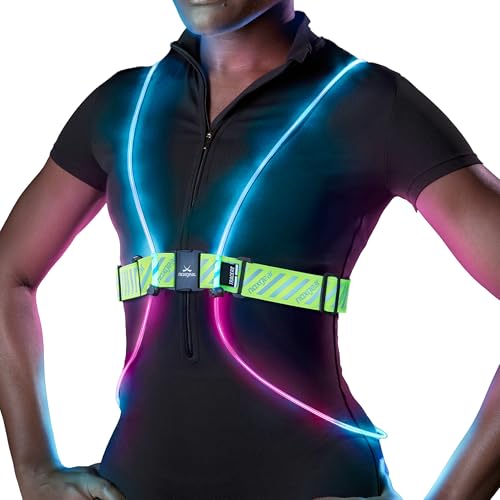
Noxgear Tracer2
Fiber optic tubes wrap the harness and glow under their own power, not reflected headlights. Drivers spot the Tracer2 from side streets and driveways where flat reflective tape stays dark. The harness cinches over a winter coat or a summer shirt without changing fit.
Pros
- Glows from every angle without waiting on headlights
- Adjusts over jackets or thin layers alike
- Multiple brightness and color modes
Cons
- Needs a recharge before long runs
- Heavier than plain reflective vests at 9 oz

Nathan Sports Streak Reflective Vest
Reflective panels cover the shoulders and back, the spots headlights strike first on a pavement approach. Mesh underneath breathes on warm nights and keeps total weight under 6 oz. A waist strap keeps the vest from riding up during a run.
Pros
- Wide reflective coverage front and back
- Breathable mesh cuts heat buildup
- No batteries or charging required
Cons
- Relies on headlights, no active light source
- Mesh snags on rough zipper teeth

Amphipod Xinglet Vest
At about 2 oz, this harness folds into a pocket and still gets worn on unplanned evening runs. Wide bands cross the chest and back so the outline reads as a person rather than a sign. It carries no lights, so pair it with a clip light on unlit lanes.
Pros
- Nearly weightless at about 2 oz
- Packs small enough to carry as backup
- Stays cool with no heat buildup
Cons
- Small total reflective surface area
- No pockets or gear attachment points

Proviz REFLECT360 Running Vest
Every outer surface reflects here, not just strips, so headlights light up the entire torso at once. Daylight shows plain grey fabric, a look some runners prefer over neon. Rear vents help some, but the full garment still suits autumn and winter more than midsummer.
Pros
- Reflects across the entire torso, not just strips
- Reads as plain grey in daylight
- Doubles as a wind layer in cool weather
Cons
- Runs warmer than mesh vests
- Still needs headlights to be seen, like passive tape
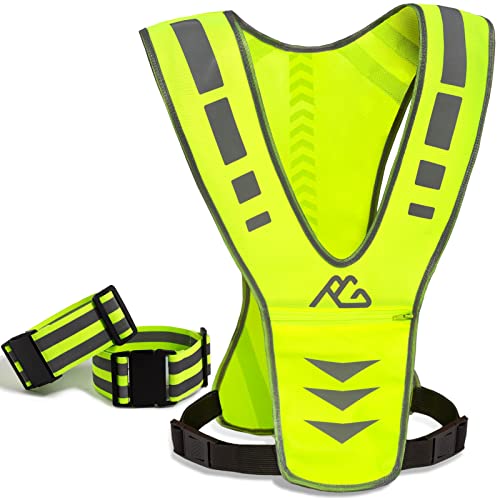
GoxRunx Reflective Running Vest
Fluorescent polyester mesh and broad reflective strips cover the basics at a low outlay. Side straps adjust the fit over a coat, which suits dog walkers and commuters as much as runners. Owners report it runs large, so size down for a single layer.
Pros
- Low cost spare vest for the car or bag
- Bright in daylight as well as after dark
- Adjusts over bulky coats and jackets
Cons
- Runs large on smaller frames
- Materials feel thinner than premium vests

BSEEN LED Reflective Vest
USB rechargeable LED strips sit on a light elastic harness, undercutting premium lit vests on cost. Steady and flashing modes both help in traffic. Output falls short of the Noxgear Tracer2, so it suits suburban streets more than unlit country roads.
Pros
- Active lighting at a lower price than premium vests
- Elastic harness adds no real bulk
- Charges over USB, no disposable batteries
Cons
- Dimmer output than premium lit vests
- Elastic stretches out after months of use
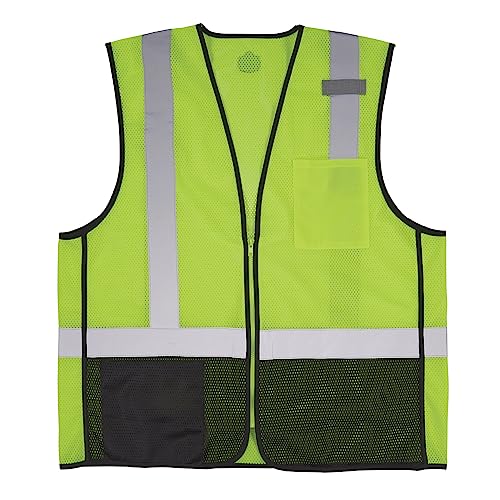
Ergodyne GloWear 8210Z Class 2 Vest
ANSI Class 2 certification matters for anyone cycling or walking through work sites and roadside areas, not just training routes. A zip front and generous reflective tape make it more visible than a running harness. Cut for work rather than sport, it holds up to daily wear better than sport mesh.
Pros
- Meets certified Class 2 visibility standard
- Zip front keeps the vest in place
- Durable enough for daily wear
Cons
- Cut for work, not a running fit
- Bulkier than sport harnesses
How they compare
| # | Model | Lighting | Best for | Score | Price |
|---|---|---|---|---|---|
| 1 | Noxgear Tracer2 | Active fiber optic tubes | Best overall | 9.4 | Check price |
| 2 | Nathan Sports Streak Reflective Vest | Passive reflective vest | Best value | 9.2 | Check price |
| 3 | Amphipod Xinglet Vest | Minimal reflective harness | Best lightweight option | 9.0 | Check price |
| 4 | Proviz REFLECT360 Running Vest | Fully reflective outer fabric | Best for maximum reflection | 8.8 | Check price |
| 5 | GoxRunx Reflective Running Vest | High visibility vest with reflective strips | Best budget option | 8.5 | Check price |
| 6 | BSEEN LED Reflective Vest | Rechargeable LED strips | Best lit budget vest | 8.2 | Check price |
| 7 | Ergodyne GloWear 8210Z Class 2 Vest | ANSI Class 2 high visibility | Best for work and commuting | 8.0 | Check price |
What matters most
How does a reflective vest actually work? Reflective material bounces a headlight beam back at its source, the same trick used on road signs. That only works when the beam points directly at the fabric. A car turning out of a side road or driveway often points headlights away from a runner on the pavement. Active lighting closes that gap by producing its own glow instead of waiting for a beam.
Passive tape or active lighting, which matters more? Passive vests like the Nathan Sports Streak rely entirely on headlights and need no charging. Active designs such as the Noxgear Tracer2 or BSEEN LED vest emit light from fiber optic tubes or LED strips. Unlit country roads and junctions favor active lighting. Well lit urban streets get by fine on reflective tape alone.
Will a reflective vest fit over a winter jacket? Adjustment range decides whether a vest works year round. Harness styles from Noxgear and Amphipod stretch widest, covering a thin summer shirt through a padded coat. A vest sized only for base layers will not close over bulk. Bounce is the top complaint owners raise, and it usually means the waist or shoulder straps sit too loose.
Which reflective vest suits your route? Rural roads and unlit paths call for active lighting, since headlights rarely aim where you need them. Well lit city routes work fine with a passive vest like the Nathan Streak. Anyone crossing work sites or roadside verges should look at ANSI Class 2 designs such as the Ergodyne GloWear. Many runners keep a light harness for summer and a lit vest for winter darkness.
Questions worth asking
Do reflective vests actually work?
Yes. Reflective fabric returns a headlight beam to the driver, extending the distance at which a runner gets noticed compared with dark clothing. Active lighting extends that further to angles headlights miss.
Reflective vest or lit vest, which is better for night running?
Lit vests such as the Noxgear Tracer2 suit unlit roads and junctions where headlights rarely aim. Passive vests like the Nathan Streak work well on lit urban routes and need no charging.
What color reflective vest is most visible at night?
Color barely registers in low light, so the reflective material matters more than the base shade. Fluorescent yellow or orange helps most at dawn, dusk and in overcast daylight.
Will a reflective vest fit over a winter coat?
Most adjust wide enough, but check the maximum waist and shoulder settings first. Harness styles like the Noxgear Tracer2 and Amphipod Xinglet cover the widest range.
How do I stop a reflective vest bouncing while running?
Tighten both the waist and shoulder straps so the vest sits against the body. A harness design bounces less than a loose mesh shell fastened only at the waist.
Can reflective vests be washed?
Most mesh vests hand wash in cool water and air dry fine. Lit vests need the electronics removed or protected first, so check the manufacturer’s care instructions.
How long does a lit vest battery last?
The Noxgear Tracer2 runs several hours per charge depending on mode. Budget LED harnesses last a similar time on flashing settings, which stretches runtime versus steady light.
Do I need a reflective vest if I only run on pavement?
Yes, since most collisions happen at junctions and driveways where a vehicle crosses your path. That side angle is exactly where dark clothing fails.
What is the difference between a reflective vest and a hi vis vest?
Hi vis vests like the Ergodyne GloWear use fluorescent fabric plus reflective tape and often meet ANSI Class 2 standards for work sites. Reflective running vests skip the certification and focus on weight and fit for training.
The bottom line
Noxgear Tracer2 suits anyone whose runs start or end in the dark, since it lights up from every angle instead of waiting on headlights. Nathan Sports Streak covers well lit routes at a lower cost, and Amphipod Xinglet is the one still worn in July heat. Comfort and fit decide whether a vest gets worn at all, so bounce and breathability matter as much as brightness.
Derek Holt
Derek has a background coaching recreational and amateur athletes and has worked the sales floor at specialty fitness retailers. He focuses on equipment durability, ergonomics and realistic use cases rather than marketing claims.


