How Wetsuit Thickness and Seams Affect Real Warmth
The O’Neill Epic 4/3mm Wetsuit balances warmth and flexibility across the widest range of moderate surf conditions. Divers working water below 50 degrees need the added insulation of the Xcel Drylock 5/4mm Wetsuit. Triathletes get more stroke rotation from the swim specific Hyperflex Cyclone2 Wetsuit.
A wetsuit cut for tropical surf leaves a diver shaking within minutes in genuinely cold water, since thickness and seam sealing decide how much heat stays in. The O’Neill Epic 4/3mm Wetsuit covers the widest range of moderate conditions here. Divers working below 50 degrees need the extra millimeters of the Xcel Drylock 5/4mm Wetsuit, while triathletes need the shoulder flexibility of the Hyperflex Cyclone2 instead.
Thickness numbers alone will not tell the full story, since seam type and panel placement change how much water actually gets in. We compared listed neoprene thickness, seam construction and intended activity, then checked owner reports on flexibility and seam durability over repeated use.
The top picks, ranked

O’Neill Epic 4/3mm Wetsuit
A 4mm torso panel paired with 3mm limbs balances core warmth against shoulder mobility for paddling. Fluid seam sealed construction limits water entry at the stitching. Surfers report comfortable sessions from the mid 50s to mid 60s Fahrenheit without excess bulk.
Pros
- Balanced thickness suits a wide temperature range
- Sealed seams cut down on water flushing
- Flexible limb panels aid paddling motion
Cons
- Not warm enough for sustained cold water diving
- Back zip entry lets in slightly more water than zipless designs
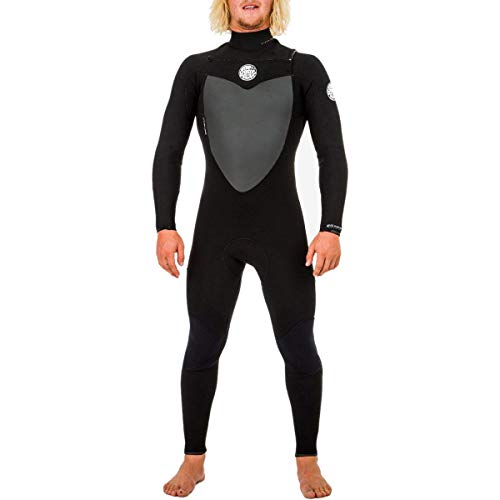
Rip Curl Flashbomb 4/3mm Wetsuit
High stretch neoprene keeps paddling and duck diving mobile despite an added insulation layer inside. Internal thermal fleece traps body heat more effectively than standard nylon lining. Cold water surfers cite less arm fatigue during long winter sessions.
Pros
- Thermal lining adds warmth without extra bulk
- High stretch neoprene keeps paddling range intact
- Chest zip design limits water flushing
Cons
- Costs more than standard back zip suits
- Thermal lining takes longer to dry between sessions

Xcel Drylock 5/4mm Wetsuit
A 5mm torso section with reinforced panels targets cold water conditions where lighter suits fail. Drylock seam technology limits flushing at the neck, wrist and ankle openings. Winter divers and surfers rely on this below 50 degrees Fahrenheit, where thinner suits leave people shivering fast.
Pros
- Heavy insulation suits genuinely cold water
- Sealed openings limit flushing at extremities
- Reinforced panels resist wear from gear straps
Cons
- Thicker neoprene reduces overall flexibility
- Overheats quickly if worn in warmer water

Quiksilver Syncro 3/2mm Wetsuit
A lighter 3/2mm build suits warmer water without sacrificing paddling flexibility. Glued and blind stitched seams hold up to repeated sessions at a moderate price point. Surfers in warmer regions report solid durability without paying for cold water thickness they never need.
Pros
- Lighter build suits warm water comfort
- Reasonable price for glued seam construction
- Flexible enough for frequent paddling sessions
Cons
- Too thin for water below the low 60s Fahrenheit
- Standard nylon lining dries slower than premium linings

Body Glove Method 3/2mm Wetsuit
A straightforward 3/2mm design covers basic warm water surf and paddling needs affordably. Flatlock seams suit warmer conditions where flushing matters less than upfront cost. New surfers building their first quiver often choose this to avoid a large early investment.
Pros
- Lower price point for entry level surfers
- Adequate flexibility for casual paddling
- Widely available in multiple sizes
Cons
- Flatlock seams allow more water flushing in cooler water
- Less durable neoprene than premium suits over time

Cressi Castoro Wetsuit
A two piece design with an overlapping waist section adds core warmth for stationary diving and spearfishing. Reinforced knee pads resist abrasion from boat decks and rocky entries. Divers report this holds heat better than a one piece during long, low movement dives.
Pros
- Overlapping waist adds warmth during stationary diving
- Reinforced knees resist rocky and boat entries
- Two piece design eases donning and removal
Cons
- Bulkier fit reduces mobility for active swimming
- Heavier out of water than surf specific suits

Hyperflex Cyclone2 Wetsuit
Thin shoulder panels maximize stroke rotation for open water swimming and triathlon starts. Smooth skin coating on the torso cuts drag through the water. Triathletes cite easier arm recovery compared to surf oriented wetsuits with thicker shoulder neoprene.
Pros
- Thin shoulder panels improve swim stroke range
- Smooth coating reduces drag in open water
- Pull cord zip speeds up transitions
Cons
- Not built for surf paddling durability
- Smooth skin coating scratches on rocky shorelines
What matters most
What to look for in a professional wetsuit Thickness, seam construction and intended activity decide how a wetsuit actually performs. Thicker neoprene traps more heat but cuts flexibility, so match millimeters to your real water temperature. Seam type, from flatlock to fully sealed, controls how much water flushes in during a session. Panel placement, thin shoulders for swimming or reinforced knees for diving, affects comfort more than headline specs suggest.
Matching thickness to water temperature A 3/2mm suit works in water in the mid 60s and warmer. Sustained cold water below 50 degrees needs a 5/4mm or thicker design like the Xcel Drylock. Mixing up these ranges leads to either overheating or dangerous heat loss. Check the manufacturer’s stated temperature range rather than guessing from thickness numbers alone.
Seam construction and water flushing Flatlock seams sit flat and flex well but let water pass through the stitching, which only works in warm water. Glued and blind stitched seams cut flushing for moderate conditions. Fully sealed seams, like Drylock or fluid seam technology, block nearly all water entry and matter most in genuinely cold conditions.
Best wetsuits by activity Surfers need shoulder flexibility for paddling, which the O’Neill Epic and Rip Curl Flashbomb prioritize. Divers and spearfishers benefit from core warmth during stationary time in the water, covered by two piece designs like the Cressi Castoro. Triathletes and open water swimmers need thin, low drag shoulder panels, found on the Hyperflex Cyclone2.
How they compare
| # | Model | Thickness | Best for | Score | Price |
|---|---|---|---|---|---|
| 1 | O’Neill Epic 4/3mm Wetsuit | 4mm torso, 3mm limbs | Best overall | 9.3 | Check price |
| 2 | Rip Curl Flashbomb 4/3mm Wetsuit | 4mm torso, 3mm limbs | Best for cold water surf | 9.0 | Check price |
| 3 | Xcel Drylock 5/4mm Wetsuit | 5mm torso, 4mm limbs | Best for cold water diving | 8.8 | Check price |
| 4 | Quiksilver Syncro 3/2mm Wetsuit | 3mm torso, 2mm limbs | Best value | 8.5 | Check price |
| 5 | Body Glove Method 3/2mm Wetsuit | 3mm torso, 2mm limbs | Best budget | 8.2 | Check price |
| 6 | Cressi Castoro Wetsuit | 7mm two-piece | Best for diving and spearfishing | 8.0 | Check price |
| 7 | Hyperflex Cyclone2 Wetsuit | 2mm shoulders, 3mm torso | Best for triathlon and swimming | 8.3 | Check price |
Frequently asked questions
What thickness wetsuit do I need for cold water?
Water below 50 degrees Fahrenheit generally calls for a 5/4mm or thicker suit with sealed seams, such as the Xcel Drylock. Thinner suits leave the body losing heat faster than it can replace it in genuinely cold conditions.
Is a thicker wetsuit always warmer?
Generally yes, though extra thickness also cuts flexibility and can cause overheating in warmer water. Matching thickness to the real water temperature range matters more than picking the thickest suit available.
What is the difference between flatlock and sealed seams?
Flatlock seams lie flat for comfort but let small amounts of water through the stitching, which suits warm water only. Sealed seams, using glue and tape or fluid seam technology, block nearly all water entry and suit colder conditions.
Do triathletes need a different wetsuit than surfers?
Yes. Triathlon and swimming wetsuits use thinner shoulder panels and smooth skin coatings to maximize stroke rotation and cut drag. Surf wetsuits prioritize paddling durability and thicker core insulation over drag reduction.
How long should a professional wetsuit last?
With rinsing after each use and hang drying away from direct sun, a quality wetsuit typically lasts several years of regular use before seams or neoprene flexibility noticeably degrade.
Can you dive in a surfing wetsuit?
Short, active dives work fine in a surf wetsuit. Extended stationary diving loses more heat than a suit built for diving, since surf suits prioritize mobility over core insulation.
What is a two piece wetsuit used for?
Two piece wetsuits, like the Cressi Castoro, add an overlapping high waist section for extra core warmth during low movement activities such as spearfishing and technical diving, where staying still raises heat loss.
How tight should a professional wetsuit fit?
A wetsuit should sit snugly against the skin with no loose material, since gaps let water flush in and cut insulation. It should still allow full arm rotation and squatting without restricting circulation.
What water temperature suits a 4/3mm wetsuit?
A 4/3mm suit, like the O’Neill Epic, generally suits water from the low 50s to mid 60s Fahrenheit. It covers the widest range of moderate surf and paddling conditions among common thickness options.
Our take
Surfers in moderate water get the most versatile performance from the O’Neill Epic 4/3mm Wetsuit, since its thickness and seams cover the widest range without excess bulk. Anyone diving or surfing below 50 degrees should upgrade to the Xcel Drylock 5/4mm instead. Triathletes and open water swimmers should skip surf specific suits and choose the Hyperflex Cyclone2 for its stroke friendly flexibility.
Derek Holt
Derek has a background coaching recreational and amateur athletes and has worked the sales floor at specialty fitness retailers. He focuses on equipment durability, ergonomics and realistic use cases rather than marketing claims.