Volleyball Gear That Meets FIVB and NFHS Standards
Mikasa’s V200W carries FIVB certification for official indoor competition. Molten’s Flistatec V5M5000 delivers comparable flight consistency at club level. Playing outdoors instead? Wilson’s AVP resists wind and sand wear on beach courts.
Competitive volleyball runs on gear built to exact specifications, not equipment that merely feels right. Mikasa’s V200W carries FIVB certification used in Olympic and international indoor matches, though it costs more than recreational balls and is not built for sand. Outdoor and beach players need different gear entirely, like the Wilson AVP.
Ball weight, net height, knee pad thickness and shoe grip all follow specific standards at the competitive level, standards that recreational gear often misses. We compared official certifications, listed material specifications and owner reports from club and league players.
Our top picks

Mikasa V200W Volleyball
FIVB certifies the V200W for official indoor competition, including past Olympic Games. An 18-panel synthetic leather cover keeps flight consistent through fast rallies. Club and league teams train with this exact ball to match sanctioned game conditions.
Pros
- FIVB certification matches official match conditions
- 18 panel design keeps flight predictable in play
- Widely used across club and collegiate competition
Cons
- Not built for outdoor or beach surfaces
- Costs more than recreational indoor balls
Molten Flistatec V5M5000 Volleyball
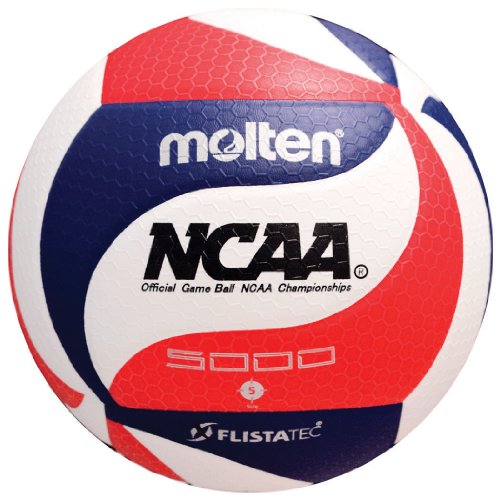
Molten’s Flistatec panel technology cuts air resistance for a more stable flight path, per manufacturer specifications. FIVB approval puts it alongside the Mikasa for sanctioned indoor play. Several international federations choose Molten balls specifically for that flight consistency.
Pros
- Flistatec panels improve in-play flight stability
- FIVB approval suits sanctioned competitive matches
- Used by multiple international volleyball federations
Cons
- Priced about the same as the Mikasa V200W
- Built for indoor use only, not wet or sandy courts

Tachikara SV5WSC Volleyball
NFHS approval covers most United States high school and club competition requirements. A composite leather cover balances durability against grip in humid gyms. Coaches often reserve pricier FIVB balls for matches and stock these for daily drills instead.
Pros
- NFHS approval covers most school level competition
- Lower cost suits stocking multiple practice balls
- Composite cover holds grip in humid gyms
Cons
- Not FIVB certified for international competition
- Feels slightly heavier than premium Mikasa or Molten balls

Franklin Sports Portable Volleyball Net System
Height adjusts to match both men’s and women’s regulation net heights for standards-compliant practice. Steel telescoping poles with weighted or stake-anchored bases set up on grass, sand or gym floors. Coaches favor it for portable practice setups away from a fixed gym net.
Pros
- Adjusts to official men’s and women’s net heights
- Works across grass, sand and indoor courts
- Portable setup suits traveling teams
Cons
- Less rigid than a permanently installed gym net
- Wind can affect stability on outdoor courts

Mizuno LR6 Libero Knee Pads
A low-profile build suits liberos and defensive specialists who dive frequently during a match. Moisture-wicking fabric on the sleeve manages sweat through long sets. Mizuno sizes these for a snug fit that stays put during quick direction changes.
Pros
- Low profile design suits fast defensive movement
- Compression sleeve stays in place through dives
- Moisture wicking fabric manages sweat in long matches
Cons
- Offers thinner padding than bulkier recreational knee pads
- Runs snug, so check the size chart first
Asics Gel-Rocket Volleyball Shoes
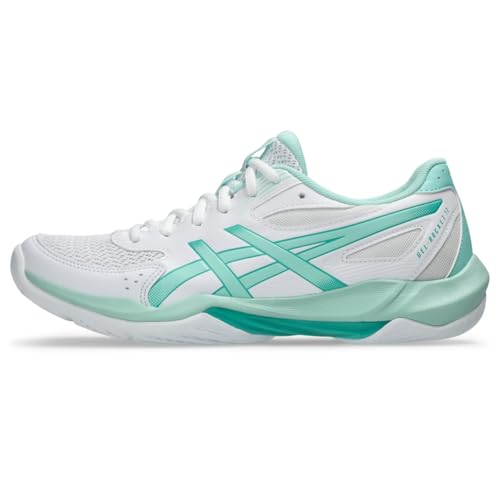
Gel cushioning in the heel absorbs repeated jump landings across a full match. A gum rubber outsole grips indoor surfaces without excessive squeak. Club and league players pick this line for lateral support during quick side steps.
Pros
- Gel cushioning reduces impact from repeated jumping
- Gum rubber outsole grips indoor courts reliably
- Breathable mesh upper manages heat during matches
Cons
- Not suited to outdoor or sand court surfaces
- Needs regular cleaning to maintain outsole grip
Wilson AVP Outdoor Volleyball
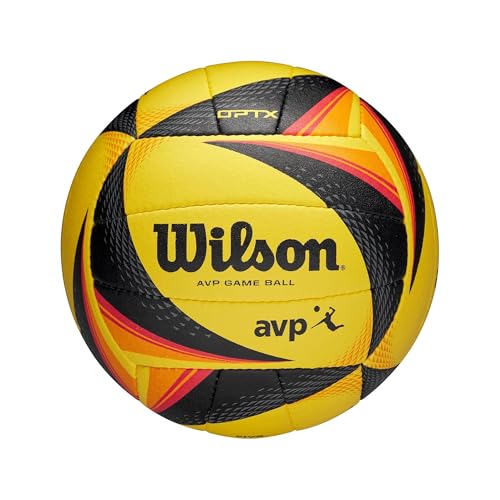
A water-resistant composite cover holds up against sand and moisture better than indoor leather. Wilson tunes weight and pressure for stable outdoor flight in wind. Beach league players choose this because indoor balls degrade fast on sand courts.
Pros
- Water resistant cover withstands sand and moisture
- Weighted for stable flight in outdoor wind
- Built specifically for beach volleyball leagues
Cons
- Not certified for official indoor competition
- Cover wears faster on abrasive sand courts
Side by side
| # | Model | Certification | Best for | Score | Price |
|---|---|---|---|---|---|
| 1 | Mikasa V200W Volleyball | FIVB official match ball | Best overall | 9.4 | Check price |
| 2 | Molten Flistatec V5M5000 Volleyball | FIVB approved | Best for club level indoor play | 9.1 | Check price |
| 3 | Tachikara SV5WSC Volleyball | NFHS approved | Best value | 8.7 | Check price |
| 4 | Franklin Sports Portable Volleyball Net System | Adjustable to regulation men’s and women’s height | Best net system | 8.5 | Check price |
| 5 | Mizuno LR6 Libero Knee Pads | Closed cell foam padding | Best knee pads | 8.6 | Check price |
| 6 | Asics Gel-Rocket Volleyball Shoes | Gel heel cushioning system | Best shoes | 8.4 | Check price |
| 7 | Wilson AVP Outdoor Volleyball | Designed for outdoor and beach play | Best for outdoor and beach play | 8.2 | Check price |
Before you buy
What to look for in professional volleyball equipment Certification is the starting point, since FIVB or NFHS approval confirms a ball meets official weight, size and pressure standards. Surface matters next, because indoor leather balls degrade quickly on sand or wet grass. Protective gear should match position, with liberos needing lower-profile padding than middle blockers. Net systems need exact regulation height, not an approximate setting.
Indoor vs outdoor volleyball equipment Indoor balls use synthetic leather panels tuned for a controlled gym environment. Outdoor balls swap in water-resistant composite covers built for sand and wind. Shoes follow the same split, with gum rubber soles for hardwood and different traction patterns for sand or grass. Mixing the two rarely works, since indoor gear wears out fast outside and outdoor gear lacks the grip indoor courts need.
Equipment by position Liberos and defensive specialists benefit most from low-profile knee pads like the Mizuno LR6, since they dive and dig more often than other positions. Middle blockers and hitters tend to prioritize shoe cushioning and ankle support over knee pad profile. Setters generally need less specialized protective gear than back-row players.
How to set up a practice court A portable net system like the Franklin Sports model lets teams practice away from a fixed gym, adjusting to regulation height for both men’s and women’s play. Ball certification matters less for practice than match play, so a Tachikara ball often covers daily drills while the Mikasa V200W stays reserved for scrimmages and matches.
Questions worth asking
What ball do professional volleyball players use?
FIVB certified balls like the Mikasa V200W and Molten Flistatec V5M5000 appear in most international and Olympic competition. Both meet exact weight, size and pressure standards set by the federation.
Is FIVB or NFHS certification more important?
It depends on the level of play. FIVB certification matters for international and club competition, while NFHS approval covers most United States high school and scholastic volleyball.
What is the regulation height for a volleyball net?
Men’s competition uses 2.43 meters, and women’s competition uses 2.24 meters. Adjustable systems like the Franklin Sports net let one setup switch between both standards.
Do professional volleyball players wear knee pads?
Most do, especially liberos and defensive specialists who dive frequently. Low profile pads like the Mizuno LR6 protect without restricting quick movement.
Can indoor volleyballs be used outside?
They can, but synthetic leather covers degrade faster in sand and moisture than water resistant outdoor balls. A ball like the Wilson AVP is built specifically to handle those outdoor conditions.
What shoes are best for volleyball on hardwood courts?
Shoes with gum rubber outsoles, like the Asics Gel-Rocket, grip hardwood and synthetic courts without excessive slipping. Running shoes lack the lateral support volleyball’s quick side steps require.
How do you choose the right size volleyball?
Standard competitive volleyballs measure 65 to 67 centimeters in circumference across nearly all certified indoor and outdoor models. Youth specific balls run smaller and lighter for younger players.
Is beach volleyball equipment different from indoor equipment?
Yes, beach volleyball uses water resistant balls, different net height rules in some leagues, and players often compete barefoot on sand rather than in shoes.
Which volleyball position needs the most protective gear?
Liberos and other back-row defensive specialists dive and dig most often, so they typically wear the most knee and body padding of any position.
Final word
Teams training for sanctioned indoor competition should equip with the Mikasa V200W, since it matches official match conditions exactly. Clubs on a tighter equipment budget do just as well with the Tachikara SV5WSC for daily practice instead. Beach league players should skip indoor balls entirely and choose the Wilson AVP, built for sand and wind from the start.
Derek Holt
Derek has a background coaching recreational and amateur athletes and has worked the sales floor at specialty fitness retailers. He focuses on equipment durability, ergonomics and realistic use cases rather than marketing claims.