Ride on toys built for grass, gravel and daily use
Power Wheels Dune Racer Extreme leads on durability, pairing a 12V drivetrain with a 130 pound limit that covers two riders. Peg Perego Polaris Ranger 150 is the premium build, using 24V power and thicker body panels. Radio Flyer Tesla Model Y for Kids wins on realistic driving detail.
Power Wheels Dune Racer Extreme suits most families. It runs 12V power, two speeds topping out at 5 mph, and seats two riders totalling 130 pounds. A wide track keeps it planted across lawn and gravel. Hard plastic tyres polish smooth on concrete, which is its clearest weakness.
Nearly every listing claims heavy duty construction, so specification sheets beat marketing wording here. Voltage sets pulling power, tyre material sets grip and wear, and the weight limit decides how many years a child still fits. We compared published voltage, speeds, capacities and age ranges, then weighed owner reports on gearbox wear, charge times and grass performance.
What to look for
12V vs 24V: what voltage actually changes Voltage sets torque, not simply top speed. A 12V system rolls a child along a smooth driveway easily, then bogs down in thick grass or on a slope. Stepping up to 24V, as the Peg Perego Polaris Ranger 150 and Huffy Torex do, roughly doubles pulling power and keeps the motor cooler on inclines. Six volt toys sit at the other end, suiting toddlers on flat indoor floors. Judge the yard before the badge on the bonnet.
Tyres, terrain and where kids will drive Hard plastic wheels are cheap to mould and quiet indoors, yet they polish smooth on concrete within a season and slide on damp lawn. Rubber traction strips, used on the Kid Trax Mossy Oak Ram 3500 Dually, extend wheel life and improve grip without full rubber tyres. Solid rubber tread appears on faster machines such as the Razor Dirt Quad, where grip turns into a safety matter. Match the tyre to the surface a child will actually use every day.
Matching a ride on toy to age and weight Weight limits generally fall between 65 and 130 pounds, and a child near the ceiling notices slower acceleration long before anything breaks. Two seat models split that capacity, so a 130 pound rating means two children around 60 pounds each. Ages three to seven cover the classic 12V car segment. Around eight, most children want real speed, and junior quads take over. Buying one size up rarely works, since pedal reach and seat depth are fixed.
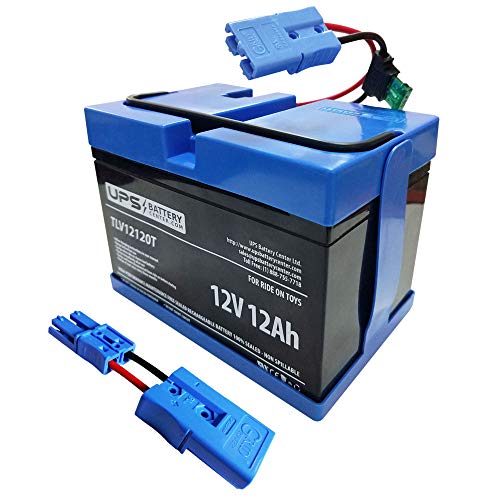
Battery life, charging and replacement parts Sealed lead acid packs deliver 40 to 90 minutes of driving and want 12 to 18 hours to refill from flat. Two riders, thick grass and cold weather all shorten that window. Leaving a pack empty through winter kills more ride on toys than crashes do, so top it up monthly in storage. Check the spares situation before buying as well. Peg Perego and Power Wheels both sell replacement batteries and gearboxes, while smaller brands often leave a dead toy unfixable.
The shortlist, ranked

Power Wheels Dune Racer Extreme
Two seats and a wide track let siblings ride together instead of taking turns. A high speed lockout caps the car at 2.5 mph while a child learns to steer, then 5 mph unlocks later. Grip on wet grass stays limited by hard plastic tyres, the long running Power Wheels compromise.
Pros
- Carries two riders up to 130 pounds combined
- Parent lockout holds speed at 2.5 mph during learning
- Wide stance resists tipping through fast turns
Cons
- Plastic tyres wear quickly on concrete
- Charging from flat takes around 14 hours

Peg Perego Polaris Ranger 150
Built in Italy with thicker body panels, this Ranger runs a 24V drivetrain that keeps pulling partway up a slope. Adjustable seating and a working dump bed stretch play beyond driving in circles. Battery terminals stay accessible, so a worn pack gets swapped rather than ending the toy.
Pros
- 24V drivetrain handles slopes and long grass
- Thicker plastics resist cracking after a rough summer
- Batteries and spare parts sold separately for repairs
Cons
- Heavy to lift into a car boot or shed
- Needs more storage room than a single seat car

Radio Flyer Tesla Model Y for Kids
Radio Flyer copied the full size car closely, down to a front storage compartment and working headlights. Those details hold a child’s attention long after a plain plastic car gets ignored. Ground clearance sits low, so driveways and flat lawn suit it better than rough ground.
Pros
- Styling copies the full size car in visible detail
- Front compartment stores toys during a drive
- Lights and sound system work as listed
Cons
- Low clearance struggles on rough grass
- Narrow body seats one rider only
Kid Trax Mossy Oak Ram 3500 Dually
Dual rear wheels widen the back axle, steadying the truck across gravel and packed dirt. Side by side seating plus a cargo bed carries two children and a load of garden toys. Rubber traction strips moulded into the tyres add grip that bare plastic wheels never manage.
Pros
- Dually rear axle adds stability on loose surfaces
- Traction strips grip better than bare plastic
- Seats two with a usable cargo bed
Cons
- Wide body needs more turning room
- Run time drops noticeably with two riders aboard

Huffy Torex 24V UTV
Huffy brings 24V into a category where 12V still dominates, and grass performance shows the difference. A roll cage frame sits over a two seat bench, giving it the shape of a full size side by side. Body plastics feel thinner than the Peg Perego, so tidy backyards suit it better than rocky tracks.
Pros
- 24V pulls better through grass than 12V rivals
- Roll cage styling over a two seat bench
- Rubber tread grips better than moulded plastic
Cons
- Body panels feel thinner than premium models
- Assembly instructions are sparse

Power Wheels Barbie Jeep Wrangler
Pedal and shifter controls stay simple for a child stepping up from a push car. Two seats and a rear storage area keep it useful well past the first summer. Batteries and gearboxes are shared with other 12V Power Wheels models, which makes spares easy to source.
Pros
- Controls suit a genuine first time driver
- Shares batteries and parts with other Power Wheels cars
- Rear storage area carries toys and snacks
Cons
- Plastic tyres slip on wet grass
- Doors are moulded detail and do not open

Razor Dirt Quad
Children usually outgrow plastic cars around age eight, and this quad is where many land next. Chain drive and a steel frame carry it to 8 mph across dirt and packed trails. Helmet and pads become mandatory at that speed, so treat it as a junior vehicle rather than a toy.
Pros
- Steel frame and chain drive handle rough tracks
- Faster than every 12V model listed here
- Sized for riders who have outgrown plastic cars
Cons
- Needs a helmet and pads at 8 mph
- Not suitable for children under eight
How they compare
| # | Model | Battery | Best for | Score | Price |
|---|---|---|---|---|---|
| 1 | Power Wheels Dune Racer Extreme | 12V rechargeable | Best overall | 9.4 | Check price |
| 2 | Peg Perego Polaris Ranger 150 | 24V rechargeable | Best premium build | 9.2 | Check price |
| 3 | Radio Flyer Tesla Model Y for Kids | 12V rechargeable | Best for realistic features | 9.0 | Check price |
| 4 | Kid Trax Mossy Oak Ram 3500 Dually | 12V rechargeable | Best for two riders | 8.8 | Check price |
| 5 | Huffy Torex 24V UTV | 24V rechargeable | Best value | 8.6 | Check price |
| 6 | Power Wheels Barbie Jeep Wrangler | 12V rechargeable | Best first ride on | 8.3 | Check price |
| 7 | Razor Dirt Quad | 24V electric, chain driven | Best for older kids | 8.0 | Check price |
Questions worth asking
What age are ride on toys suitable for?
Most 12V cars are rated for ages three to seven. Six volt models suit toddlers of roughly two to four on flat surfaces. Powered quads such as the Razor Dirt Quad start at age eight.
Is 12V or 24V better for a ride on toy?
24V delivers more torque, which counts on grass, gravel and slopes. 12V handles flat driveways and smooth paths fine. Peg Perego Polaris Ranger 150 and Huffy Torex 24V UTV both use 24V systems.
How long does a ride on toy battery last per charge?
Plan on 40 to 90 minutes of continuous driving, less with two riders or in thick grass. Refilling a flat sealed lead acid pack usually takes 12 to 18 hours.
Which ride on toy is best for two children?
Power Wheels Dune Racer Extreme and Kid Trax Mossy Oak Ram 3500 Dually both seat two with a combined limit near 130 pounds. Dual rear wheels give the Ram extra stability on loose ground.
Can ride on toys be used on grass?
Yes, though results vary by voltage. 24V models cope with long grass and slight inclines. 12V cars on bare plastic tyres slip across wet lawn and drain their packs faster.
How fast do ride on toys go?
Twelve volt cars here run 2.5 mph in low and 5 mph in high. Razor Dirt Quad reaches 8 mph on its 24V chain drive, which is why it carries an age eight minimum.
Power Wheels vs Peg Perego: which lasts longer?
Peg Perego uses thicker plastics and more serviceable parts, so it generally survives harder use. Power Wheels answers with cheap replacement batteries and a far wider model range.
Do ride on toys need assembly?
Most arrive largely built, leaving wheels, steering wheel, decals and a first charge. Allow about an hour, and charge the battery fully before the first drive.
Are ride on toys safe on a sloped driveway?
Gentle slopes are manageable at 24V, though any incline increases rollaway risk when a child lifts off the pedal. Steep driveways deserve a flat play area instead. Supervision matters more than voltage here.
How do I make a ride on toy battery last longer?
Recharge after each session instead of storing it flat, and top it up monthly through winter. Deep discharge shortens the life of sealed lead acid cells faster than heavy use does.
Final word
Power Wheels Dune Racer Extreme is the pick for most backyards, since it seats two, locks out high speed during the learning phase, and draws on a huge spares market. Yards with slopes or long grass justify the Peg Perego Polaris Ranger 150 and its 24V drivetrain. Once a child passes eight and wants real speed, the Razor Dirt Quad is the logical next step.
Rachel Simmons
Rachel previously worked in child-product retail and brings a practical, detail-first eye to gear reviews, focusing on safety standards, ease of use and the fine print that matters most for new caregivers.