Top Primers for Flawless Paint Projects
For most interior projects, the Rust-Oleum Zinsser Bulls Eye 1-2-3 stands out as the top pick because it bonds to almost any surface, seals stains, and works on both interior and exterior jobs; its main limitation is that it is not a dedicated stain blocker for severe water stains.
Primer is the unsung hero of any paint project. It ensures your topcoat adheres well, looks even, and lasts longer. Choosing the right primer can mean the difference between a professional finish and a peeling mess.
We analyzed popular primers across different surfaces and needs. From all-purpose formulas to specialized stain blockers, here are the best options to consider for your next painting task.
The top picks, ranked

Rust-Oleum Zinsser Bulls Eye 1-2-3 Primer
This water-based primer is a favorite for its versatility. It adheres to glossy surfaces without sanding, seals pet stains, and cleans up with soap and water. It works on wood, drywall, metal, and masonry, both indoors and out.
Pros
- Bonds to difficult surfaces without sanding
- Blocks most stains, including water and smoke
- Low odor and easy cleanup
Cons
- Not as effective on severe rust
- May require two coats on porous surfaces

KILZ Restoration Interior Primer
KILZ Restoration is a water-based primer designed to tackle the toughest stains: water, smoke, pet odors, and more. It contains an antimicrobial agent to prevent mold and mildew growth. Its high-build formula helps smooth rough surfaces.
Pros
- Excellent at sealing severe stains and odors
- Contains antimicrobial protection
- High-build formula fills small imperfections
Cons
- Longer dry time than some competitors
- Strong odor during application
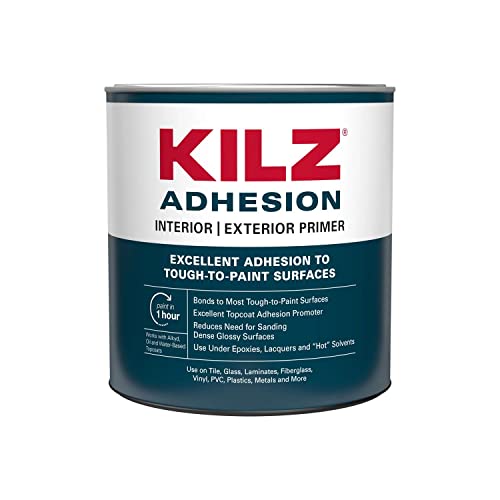
KILZ Adhesion High-Bonding Interior Latex Primer
This primer is formulated to stick to challenging surfaces like tile, glass, and glossy paint. It’s ideal for painting over previously painted surfaces without sanding. It works on interior surfaces and is moisture resistant.
Pros
- Excellent adhesion to non-porous surfaces
- Reduces need for sanding glossy surfaces
- Resists moisture and mildew
Cons
- Not for use on floors
- May not hide dark colors well

Zinsser B-I-N Shellac-Based Primer
A classic shellac primer that dries in 15 minutes and seals in stubborn stains like smoke, water, and grease. It also blocks odors and works on wood, metal, and more. Cleanup requires denatured alcohol.
Pros
- Fast drying and excellent stain blocking
- Seals odors effectively
- Works on many surfaces
Cons
- Requires alcohol for cleanup
- Strong odor and high VOCs

Rust-Oleum Zinsser Peel Stop Triple Thick Primer
Specially designed to bond down peeling paint and create a smooth surface for repainting. It’s water-based and cleans up easily. It works on interior walls and ceilings and helps prevent future peeling.
Pros
- Bonds peeling paint edges
- Thick formula fills cracks
- Prevents further peeling
Cons
- Lower coverage per gallon
- Not for exterior use
KILZ 2 All-Purpose Interior/Exterior Primer
An economical water-based primer that works on both interior and exterior surfaces. It blocks light stains and odors, and it is mildew resistant. A great everyday primer for general projects.
Pros
- Affordable price point
- Works indoors and outdoors
- Mold and mildew resistant
Cons
- Less effective on heavy stains
- Requires sanding for glossy surfaces

Rust-Oleum Painter’s Touch Ultra Cover Primer
This spray primer is perfect for small projects like furniture, frames, and crafts. It provides a smooth base for paint on wood, metal, and plastic. It dries quickly and is easy to apply.
Pros
- Convenient spray application
- Works on multiple surfaces
- Dries fast
Cons
- Small coverage area
- Not cost-effective for large projects
Compared at a glance
| # | Model | Base | Best for | Score | Price |
|---|---|---|---|---|---|
| 1 | Rust-Oleum Zinsser Bulls Eye 1-2-3 Primer | Water-based | All-purpose use on most surfaces | 9.4 | Check price |
| 2 | KILZ Restoration Interior Primer | Water-based | Heavy stain and odor blocking | 9.2 | Check price |
| 3 | KILZ Adhesion High-Bonding Interior Latex Primer | Water-based latex | Adhesion to glossy surfaces | 9.0 | Check price |
| 4 | Zinsser B-I-N Shellac-Based Primer | Shellac | Blocking tough stains and odors | 9.1 | Check price |
| 5 | Rust-Oleum Zinsser Peel Stop Triple Thick Primer | Water-based | Peeling paint and damaged surfaces | 8.8 | Check price |
| 6 | KILZ 2 All-Purpose Interior/Exterior Primer | Water-based | Budget-friendly versatility | 8.6 | Check price |
| 7 | Rust-Oleum Painter’s Touch Ultra Cover Primer | Water-based | Small crafts and furniture | 8.4 | Check price |
What to look for
Questions worth asking
What is the difference between primer and paint?
Primer is a preparatory coating applied before paint. It seals the surface, creates a uniform base, and helps paint adhere better. Paint provides color and protection but does not seal or bond as effectively on bare surfaces.
Do I need to prime before painting?
In most cases, yes, especially on bare surfaces, stained areas, or when making drastic color changes. Priming ensures a smooth, long-lasting finish and can prevent paint from peeling or blistering.
Can I use primer as paint?
Primer is not designed as a topcoat. It lacks the durability and color richness of paint. You should always apply at least one coat of paint over primer.
How long does primer take to dry?
Drying time varies by product. Water-based primers typically dry to the touch in 30 minutes to an hour, but you should wait the manufacturer’s recommended time before painting. Shellac-based primers dry very fast, often in 15 minutes.
Can I paint over primer the same day?
Yes, most primers allow recoating within 1 to 2 hours. Check the label for specific dry and recoat times. It is best to wait until the primer is completely dry to the touch and not tacky.
What primer should I use for drywall?
For new drywall, use a primer specifically designed for drywall or an all-purpose interior primer. KILZ 2 and Zinsser Bulls Eye 1-2-3 are good choices. They seal the porous surface and provide a uniform base for paint.
How do I remove primer from brushes?
For water-based primers, clean brushes with soap and water. For oil-based or shellac primers, use the appropriate solvent: mineral spirits for oil-based and denatured alcohol for shellac. Always follow the product instructions.
Is primer necessary for painting over previously painted surfaces?
If the existing paint is in good condition and you are painting with a similar color, you may not need primer. However, if you are changing from a dark to a light color or painting over glossy surfaces, using a primer will improve coverage and adhesion.
Can I use exterior primer inside?
Exterior primers are formulated to withstand weather conditions and often have stronger fumes. It is not recommended to use them indoors unless the label states it is safe. Choose an interior primer for indoor projects.
What is the best primer for wood?
For bare wood, an oil-based primer or a high-quality water-based primer like Zinsser Bulls Eye 1-2-3 works well. They seal the wood and prevent tannin bleed-through. For outdoor wood, choose an exterior-grade primer.
The verdict
For most DIYers and professionals, the Rust-Oleum Zinsser Bulls Eye 1-2-3 is the best overall primer due to its versatility and reliable performance. If you face heavy stains or odors, choose KILZ Restoration for interior use or Zinsser B-I-N for the toughest jobs. For glossy surfaces without sanding, the KILZ Adhesion primer is your go-to. Choose based on your specific project needs, but you can trust these top performers.
Jake Monroe
Jake worked as a residential contractor for over a decade before shifting to full-time writing. He evaluates power tools, hand tools and workshop gear through the lens of someone who has actually used them on job sites, not just read the box.