Portable Graph Paper Picks for Sketching and Math on the Go
The Moleskine Art Collection Graph Notebook is the best portable graph paper for most people. It offers a classic hardcover build that protects pages in a bag, and its grid is a handy 5 mm square. Its main limitation is the higher price compared to basic pads.
Graph paper is a must for engineers, students, and creative professionals. It helps with precise sketches, math problems, and design layouts. Portable options range from slim notebooks to durable writing tablets.
Choosing the right one means weighing paper thickness, binding style, and size. You also want something that fits in a backpack or briefcase. We compared popular models based on specifications and user feedback.
Before you buy
The best picks, ranked
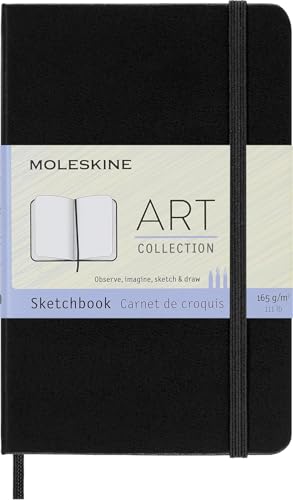
Moleskine Art Collection Graph Notebook
This Moleskine notebook features a sturdy hardcover and a 5 mm grid pattern on smooth, ivory paper. The elastic closure keeps pages secure, and the expandable inner pocket holds loose sheets. It lies flat when open, making it easy to write or sketch anywhere.
Pros
- Durable hardcover protects pages
- Lies flat for comfortable writing
- Expandable pocket for storing notes
Cons
- Higher price point
- Paper is not fountain pen friendly for heavy ink

Rhodia Pad with Graph Grid
Rhodia pads are known for their ultra-smooth paper that works with most pens. The graph grid is printed in a light gray, and the micro-perforated sheets tear out cleanly. The orange cover is iconic, and the rigid back provides a firm writing surface.
Pros
- Exceptionally smooth paper
- Tear-off sheets are convenient
- Fountain pen friendly
Cons
- No hard cover for extra protection
- Top binding can be less comfortable for lefties

Field Notes Graph Paper Notebook
Field Notes notebooks are compact and durable, fitting easily into a pocket. The graph grid is printed on sturdy paper, and the cardstock cover resists wear. The binding is exposed, which allows the notebook to open flat.
Pros
- Ultra portable size
- Opens flat
- Sturdy cover for its size
Cons
- Limited page count
- Small grid may not suit all tasks

TOPS Engineering Computation Pads
TOPS pads are a staple in engineering schools. The green tint reduces glare, and the grid is printed on both sides of each sheet. The chipboard backing provides a firm surface, and the sheets are micro-perforated for clean tearing.
Pros
- Affordable for daily use
- Green tint reduces eye strain
- Both sides usable
Cons
- Large size not for small bags
- Paper is thin and may bleed with markers

Miquelrius Graph Paper Notebook
Miquelrius notebooks feature a durable flexible cover and a lay-flat binding that stays open on a desk. The paper is thick enough for most pens without bleed-through. The 5 mm grid is dark enough to see but not distracting.
Pros
- Lay-flat spiral binding
- Thick paper resists bleed
- Flexible cover is lightweight
Cons
- Spiral can snag on bags
- Wire binding may bend with rough use
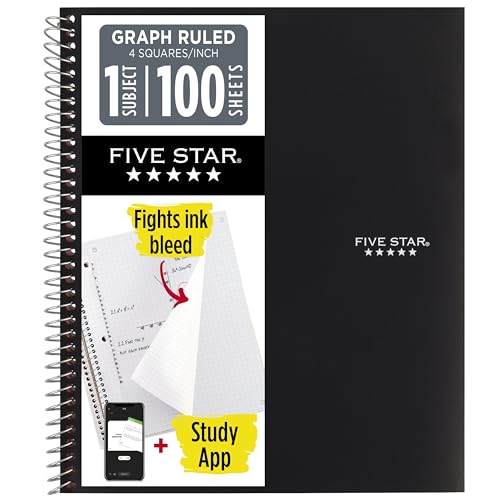
Five Star Graph Paper Notebook
Five Star notebooks are built to withstand a school year. The water-resistant cover protects against spills, and the taped edges prevent tears. The paper is reinforced for durability, and the graph grid is printed on every page.
Pros
- Water-resistant cover
- Reinforced pages resist tearing
- Pocket divider included
Cons
- Heavier than other options
- Grid is not as fine as some need

reMarkable 2 with Graph Paper Templates
The reMarkable 2 is a digital tablet that feels like paper. It includes graph paper templates that you can switch to with a tap. The device is extremely thin and light, making it portable. It syncs your notes to the cloud and converts handwriting to text.
Pros
- Unlimited graph paper pages
- Note organization and search
- No paper waste
Cons
- Expensive initial investment
- Requires charging and tech setup
The lineup, side by side
| # | Model | Paper Size | Best for | Score | Price |
|---|---|---|---|---|---|
| 1 | Moleskine Art Collection Graph Notebook | 13 x 21 cm | Classic hardcover protection | 9.2 | Check price |
| 2 | Rhodia Pad with Graph Grid | A5 (14.8 x 21 cm) | Tear-off convenience | 9.0 | Check price |
| 3 | Field Notes Graph Paper Notebook | 3.5 x 5.5 inches | Pocket-sized portability | 8.8 | Check price |
| 4 | TOPS Engineering Computation Pads | 8.5 x 11 inches | Engineering and math | 8.7 | Check price |
| 5 | Miquelrius Graph Paper Notebook | A5 (14.8 x 21 cm) | Lay-flat writing | 8.6 | Check price |
| 6 | Five Star Graph Paper Notebook | 8 x 10.5 inches | Student durability | 8.5 | Check price |
| 7 | reMarkable 2 with Graph Paper Templates | 10.3 inch monochrome | Digital note taking | 8.4 | Check price |
Common questions
What is the standard grid size for graph paper?
The most common grid size is 5 mm squares, often used in notebooks. In the US, engineering pads often use 5 squares per inch, which is slightly larger than 5 mm.
Can I use a digital tablet for graph paper?
Yes, devices like the reMarkable 2 offer graph paper templates and give you unlimited pages. They also allow you to organize and search your notes.
What is the best paper for fountain pens?
Rhodia and Moleskine are known to handle fountain pens well, though Moleskine’s thinner paper may show ghosting. Look for paper labeled as fountain pen friendly.
Are spiral notebooks better than glued?
Spiral notebooks lay flat and allow you to fold pages back, which is handy for writing on the go. Glued notebooks are lighter but may not stay open without pressing.
How many pages do I need?
It depends on your usage. A simple notebook with 48 pages is good for occasional notes. For daily math or sketching, a pad with 100 or more pages lasts longer.
Can I tear out pages cleanly?
Many pads have micro-perforated pages for clean tearing. Notebooks with sewn bindings are not meant to be torn out easily.
Is graph paper good for sketching?
Yes, the grid helps with proportions and perspective. Many designers and artists use graph paper for planning layouts and creating geometric designs.
What size is most portable?
Pocket-sized notebooks like Field Notes (3.5 x 5.5 inches) are very portable. A5 size (5.8 x 8.3 inches) offers a good balance of space and portability.
Do I need a hardcover?
A hardcover protects pages from bending if you throw the notebook in a bag. If you are careful, a softcover is lighter and more flexible.
Can I use both sides of the paper?
Yes, most high-quality paper is designed for double-sided use. Thinner paper may show ghosting, but it is still usable.
The bottom line
If you want a reliable paper notebook that protects your work, choose the Moleskine Art Collection Graph Notebook. For a budget-friendly pad that works for math and engineering, the TOPS Engineering Computation Pad is a solid choice. Those who prefer digital note taking should consider the reMarkable 2, but be ready for the higher price.
Marcus Chen
Marcus covered consumer electronics for enthusiast tech publications for six years before joining ChoiceCrest. He specializes in translating manufacturer spec sheets into plain-language buying advice, with a focus on audio, computing accessories and smart-home gear.