Dough Boxes That Keep Pizza Prep Organized
The Cambro Dough Box is the best overall pick, combining NSF-certified polycarbonate with reinforced corners that hold their shape under daily stacking. Winco’s box costs less for bulk buyers, and LloydPans makes a smaller tray sized for home refrigerators.
The Cambro Dough Box leads this list because its reinforced corners stay square even stacked five high with dough inside, and its 18 by 26 inch footprint matches standard commercial shelving. Winco’s box undercuts it on price for shops buying a dozen at once. Home cooks making a few pizzas a week should look at LloydPans’ smaller tray instead.
Dough boxes vary mainly in wall thickness, stacking strength, and whether a lid comes included, so we compared footprint compatibility with standard shelving, how each base holds up under a fully loaded stack, and handling details like molded handles.
What we recommend

Cambro Dough Box
Cambro molds this box from clear polycarbonate rated by NSF for direct food contact, the same material used across most commercial kitchens. The 18×26 inch footprint matches standard sheet pan racks, so boxes stack directly on existing shelving. Reinforced corners keep the box square even when stacked five high with dough inside.
Pros
- Matches standard sheet pan rack footprint
- NSF certified for commercial kitchens
- Reinforced corners resist warping
Cons
- Clear plastic shows scratches over time
- Taller 6 inch version sold separately

Carlisle StorPlus Dough Box
Carlisle’s StorPlus line adds color-coded lids, a feature pizzerias use to separate dough types or batch dates at a glance. The box body shares the same 18×26 footprint as most commercial shelving. Handles molded into the short ends make lifting a full box easier with gloved hands.
Pros
- Color-coded lids help track batches
- Molded handles ease lifting
- Durable under repeated stacking
Cons
- Lid is a separate purchase
- Similar price to Cambro with fewer bundled extras

Winco Dough Box
Winco keeps the design simple, a straight polycarbonate box without the reinforced lip some competitors add. It still fits the standard 18×26 footprint and stacks cleanly on commercial racks. The thinner wall brings the price down for shops buying in bulk.
Pros
- Lowest price for bulk purchases
- Fits standard rack footprint
- NSF certified
Cons
- Thinner walls than Cambro or Carlisle
- No reinforced corner lip

Update International Dough Box
Update International builds this box lighter than most full-size competitors, which matters when staff move dozens of boxes per shift. The reduced weight does not come from thinner walls at the stress points, just a lighter base. It still stacks on standard commercial shelving.
Pros
- Easier to carry when moving many boxes
- Stacks on standard shelving
- Budget-friendly for small shops
Cons
- Lighter build feels less rigid empty
- Fewer color options than Carlisle

Thunder Group Dough Box
Thunder Group thickens the base of this box specifically for shops stacking a full dough rack, five or six boxes high with dough in every one. The extra base thickness adds a small amount of weight but prevents the bottom box from bowing. Handles on the short ends match the Carlisle design.
Pros
- Reinforced base resists bowing under weight
- Holds up well in high-volume shops
- Molded handles aid lifting
Cons
- Heavier empty than Winco or Update
- Overkill for low-volume home use
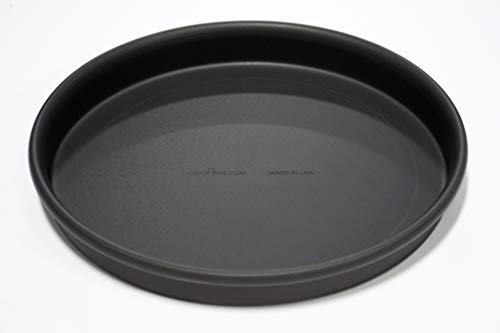
LloydPans Dough Tray
LloydPans scales this tray down from commercial size, fitting home refrigerator shelves that a full 18×26 box never would. It still uses the same polycarbonate as the larger shop trays, so it survives repeated fridge and counter use. The smaller size holds two to four dough balls rather than a full batch.
Pros
- Fits home refrigerator shelves
- Durable commercial-grade plastic
- Right sized for small batches
Cons
- Too small for shop-scale production
- Not stackable with full-size commercial boxes

Met Lux Dough Box
Met Lux bundles a matching lid with the box itself, skipping the separate purchase most competitors require. The lid snaps on tight enough to stack boxes without sliding during transport. Body dimensions match the standard 18×26 commercial footprint.
Pros
- Lid included at no extra cost
- Snug lid fit prevents sliding in transit
- Standard commercial footprint
Cons
- Fewer color choices than Carlisle’s lid line
- Lid adds height when stacking many boxes
The lineup, side by side
| # | Model | Material | Best for | Score | Price |
|---|---|---|---|---|---|
| 1 | Cambro Dough Box | Polycarbonate | Best overall | 9.4 | Check price |
| 2 | Carlisle StorPlus Dough Box | Polycarbonate | Best for color-coded batch tracking | 9.1 | Check price |
| 3 | Winco Dough Box | Polycarbonate | Best value | 8.8 | Check price |
| 4 | Update International Dough Box | Polycarbonate | Best for small pizzerias on a budget | 8.6 | Check price |
| 5 | Thunder Group Dough Box | Polycarbonate | Best for high-volume shops | 8.4 | Check price |
| 6 | LloydPans Dough Tray | Polycarbonate | Best for home pizza ovens | 8.2 | Check price |
| 7 | Met Lux Dough Box | Polycarbonate | Best with lid included | 8.0 | Check price |
How to choose
What a Pizza Dough Box Actually Does A dough box holds portioned dough balls between mixing and shaping, usually refrigerated to slow fermentation. Commercial boxes share an 18 by 26 inch footprint so they stack on standard sheet pan racks. Material is almost always food-grade polycarbonate, chosen for clarity and resistance to cold temperatures.
Full Size vs Smaller Home Trays Full-size 18×26 boxes hold a shop’s entire daily dough batch but take up a full refrigerator shelf. Home cooks making two or three pizzas a week do better with a smaller tray like LloydPans’, which still fits inside a standard fridge without blocking other shelves.
Best for High-Volume Pizza Shops Shops stacking five or six full boxes need a reinforced base, since the bottom box carries the weight of every box above it. Thunder Group and Cambro both reinforce the stress points that thinner budget boxes can bow under over time.
Lids, Handles, and Day-to-Day Handling A lid keeps dough from drying out and stops cross-contamination between stacked boxes. Molded end handles make a loaded box easier to lift with gloved hands, a detail that matters more during a rushed dinner shift than it looks on a spec sheet.
Frequently asked questions
What size is a standard pizza dough box?
Most commercial dough boxes measure 18 by 26 inches, matching standard sheet pan rack dimensions used across pizzerias and bakeries.
Do pizza dough boxes need lids?
A lid is not required but helps prevent the dough surface from drying out in the refrigerator and keeps stacked boxes from cross-contaminating.
Can dough boxes be stacked in a refrigerator?
Yes, that is their main design purpose. Reinforced models like Cambro and Thunder Group hold their shape when stacked four to six high with dough inside.
Is polycarbonate safe for refrigerated dough storage?
Yes, NSF-certified polycarbonate is rated for direct food contact and performs well at refrigerator temperatures without becoming brittle.
What is the difference between a dough box and a proofing box?
A dough box is a general storage and transport tray, while a proofing box usually adds a tighter lid and sometimes depth markings to track fermentation more precisely.
How many dough balls fit in a full-size dough box?
A standard 18×26 box with 3.5 inch walls typically holds a dozen or more pizza-size dough balls, depending on portion weight.
Can home cooks use a commercial dough box?
Yes, though the full 18×26 size takes up an entire refrigerator shelf. A smaller tray sized for two to four dough balls fits home kitchens better.
Do all dough boxes fit the same shelving?
Full-size boxes from Cambro, Carlisle, Winco, Update International, Thunder Group, and Met Lux all share the 18×26 footprint, so they interchange on the same racks.
The verdict
The Cambro Dough Box is the safest pick for most pizzerias, pairing NSF certification with reinforced corners that hold up under daily stacking. Shops running high volume with five or six boxes stacked per shift should step up to Thunder Group’s reinforced base instead, since it resists bowing under that extra weight. Home cooks making a couple of pizzas a week get more practical use from the smaller LloydPans tray, which fits a standard fridge shelf without taking over the whole thing.
Dana Whitfield
Dana spent eight years buying and merchandising for a regional kitchenware retailer before moving into editorial work. She has handled thousands of SKUs across cookware, small appliances and kitchen organization, and focuses on the practical differences that matter once a product is actually in daily use.


