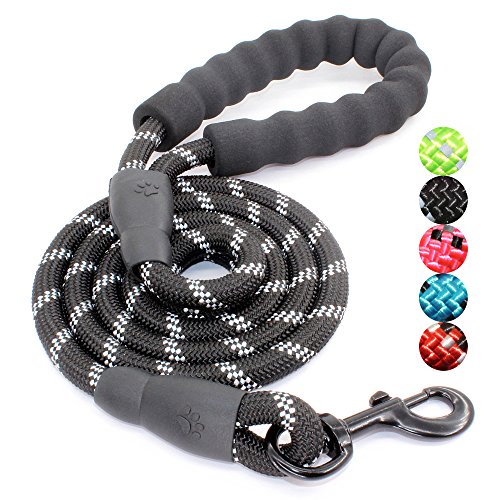
Clickers, Treat Pouches, or Leashes: What Trains Best
PetSafe’s Easy Walk Dog Harness earns the top spot because its front clip stops pulling without pressure on the throat. Strong pullers do better with the PetSafe Gentle Leader Headcollar, which steers from the nose. Owners on a budget can start with just the Starmark Pro-Training Clicker for sharper reward timing.
Start a training kit with the PetSafe Easy Walk Dog Harness, add the Starmark Pro-Training Clicker for timing, and move up to the PetSafe Gentle Leader Headcollar once a dog outmuscles the harness.
Training gear turns into an annoyance fast when the fit is wrong, and a dog spends every walk resisting it. We compared adjustment points, sizing ranges and materials, then weighed what owners report about chafing, escape attempts and how quickly a dog accepts new equipment.
Our top picks

PetSafe Easy Walk Dog Harness
A front chest clip redirects a pulling dog sideways instead of letting it lean into the leash. Pressure lands across the chest rather than the throat, which suits dogs that cough on a flat collar. Four adjustment points and a martingale loop keep the fit from sliding once sized correctly.
Pros
- Takes pressure off the throat right away
- Colour coded straps simplify fitting
- Works from the first walk with no training period
Cons
- Chest strap can rub behind the front legs if sized loosely
- Deep chested breeds may need to compare two sizes
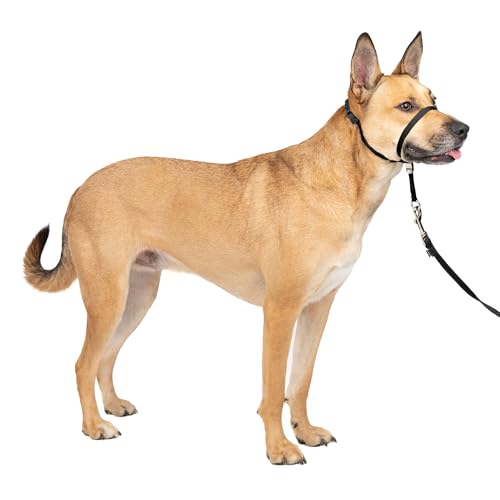
PetSafe Gentle Leader Headcollar
Steering the head steers the dog, so a head collar gives more leverage than any harness. Large dogs walked by a smaller handler benefit most, and owners report a noticeable difference on the first outing. Most dogs paw at the nose loop for a few sessions before accepting it, so short positive introductions matter.
Pros
- Gives the most leverage of any pick for large dogs
- Redirects lunging at other dogs effectively
- Padded nose loop reduces rubbing
Cons
- Needs several short sessions before dogs accept it
- Fits poorly on very short muzzled breeds

Starmark Pro-Training Clicker
Marking the exact moment a dog does the right thing is the part most owners get wrong, saying good boy a second too late. Starmark’s version uses a raised button instead of a metal tongue, so it presses easily without looking and stays quieter than a box clicker. An elastic wrist coil keeps it within reach while the other hand handles treats.
Pros
- Sharpens reward timing better than anything else here
- Quiet enough for sound sensitive pets
- Works one handed without looking down
Cons
- Only useful paired with treats
- Small enough to misplace easily

PetSafe Treat Pouch Sport
Training falls apart when a reward arrives four seconds late because a treat is stuck in a pocket. This pouch has a hinged opening that stays open during a session and snaps shut to contain smells afterward. A belt clip, adjustable waist strap and small zip pocket mean a walk needs nothing else.
Pros
- Rewards land fast enough to mark behaviour
- Two carry options suit different clothing
- Washable liner resists staying greasy
Cons
- Waist strap feels bulky on short walks
- Not sealed against very wet treats

Outward Hound Nina Ottosson Dog Brick Puzzle
Leash work is only part of training, and a dog given problem solving time is easier to live with indoors. Sliding blocks and removable bone shaped covers hide treats at a level two difficulty, suited to dogs that have outgrown a snuffle mat. Owners report it buys a useful stretch of quiet on rainy days.
Pros
- Provides real mental work indoors
- Sturdier than most cardboard style puzzles
- Wipes clean between uses
Cons
- Determined chewers will damage the covers
- Some dogs solve it fast and lose interest

Mendota Products Snap Check Cord
A long check cord bridges the gap between a six foot leash and full off leash freedom. Solid braid poly rope with a waxed finish slides over grass instead of snagging and does not soak up water. Field trainers rely on it, and the same line works well in parks and on quiet trails.
Pros
- Waxed rope slides instead of snagging in grass
- Bridges the gap to reliable off leash recall
- Brass hardware resists corrosion
Cons
- Rope burn risk if grabbed bare handed
- Needs open space, awkward on busy pavements

Bil-Jac Little Jacs Liver Training Treats
Reward value drives training, and a soft liver treat beats a dry biscuit for most dogs. Small, soft pieces disappear instantly, keeping sessions moving instead of pausing for chewing. Owners can pinch them into halves for long sessions with dozens of repetitions.
Pros
- High reward value for most dogs
- Soft and small so sessions keep moving
- Easy to split to control intake
Cons
- Leaves a strong smell on hands and pouches
- Not suitable for dogs on restricted protein diets
Before you buy
What to look for in dog training gear Fit decides whether a tool helps or becomes a fight. A chest strap sitting too low rubs behind the front legs, and a loose head collar slips over the nose within minutes. Measure the dog rather than guessing from weight, check fit while standing naturally, and expect one readjustment after the webbing settles.
How does clicker training work A clicker or a consistent marker word identifies the exact instant a pet gets it right, then the treat confirms it. Without that marker, a reward often lands after the dog has moved on and reinforces the wrong action. Pair the clicker with treats for a few dozen repetitions before using it in real training.
How to introduce a head collar or harness Head collars and harnesses both work better when the first exposure happens indoors with treats and no leash attached. Dogs given three or four short positive sessions accept a head collar faster than dogs meeting it for the first time at the front door. Ten minutes spread over a few days saves weeks of resistance.
Which accessory fixes which problem Pulling on a lead, poor recall and destructive boredom are three separate problems needing three separate tools. A front clip harness will not improve recall, and a long line will not stop lunging at other dogs on a pavement. Based on the actual problem, pick one accessory rather than buying a bundle and hoping something helps.
How they compare
| # | Model | Attachment | Best for | Score | Price |
|---|---|---|---|---|---|
| 1 | PetSafe Easy Walk Dog Harness | Front chest ring with martingale loop | Best overall | 9.4 | Check price |
| 2 | PetSafe Gentle Leader Headcollar | Nose loop with neck strap, leash clips under chin | Best for strong pullers | 9.2 | Check price |
| 3 | Starmark Pro-Training Clicker | Button clicker with raised action | Best budget | 9.0 | Check price |
| 4 | PetSafe Treat Pouch Sport | Hinged opening that stays open or snaps shut | Best for reward delivery | 8.8 | Check price |
| 5 | Outward Hound Nina Ottosson Dog Brick Puzzle | Level two intermediate | Best for mental work | 8.6 | Check price |
| 6 | Mendota Products Snap Check Cord | Available from twenty to fifty feet | Best for recall training | 8.3 | Check price |
| 7 | Bil-Jac Little Jacs Liver Training Treats | Soft liver training treats | Best training treats | 8.0 | Check price |
Good to know
Do front clip harnesses actually stop pulling?
They reduce it immediately by redirecting a dog sideways instead of letting it lean into the leash. Most owners still pair one with loose leash training so the dog eventually walks well on any equipment.
Is a head collar cruel to use?
No, a properly fitted head collar works like a halter on a horse and puts no pressure on the throat. Correct sizing, short positive introductions and never jerking the leash matter most, since the head is more sensitive than the body.
What age can training accessories be introduced?
Clickers, treat pouches and puzzle feeders suit puppies once they eat solid food. Harnesses and head collars should wait until a puppy fits the smallest size correctly, and most puppies need at least one resize in their first year.
How long should a dog training session last?
Short and frequent beats long and occasional. Five to ten minutes a few times a day holds attention better than one long session, and finishing while the dog still succeeds keeps motivation high.
Does clicker training work for cats too?
Yes, marker training works with any animal able to link a sound to a reward. Cats respond well to clicker work for targeting, carrier training and stopping counter surfing, though a softer clicker and smaller rewards suit them better.
How long should a recall training long line be?
Twenty to thirty feet suits most park and trail recall work, while fifty feet fits wide open fields only. Longer lines add freedom but tangle more and gather slowly, so start shorter and extend as recall improves.
Will training treats make my dog gain weight?
Only if the rest of the diet is not adjusted. Training treats should come out of the daily food allowance, not on top of it, and small soft treats can be halved to stretch further.
Can I use these accessories on a rescue dog with unknown history?
Yes, but introduce everything slowly and watch body language closely. A rescue dog may carry negative associations with certain gear, so start with the least restrictive option, such as a front clip harness, and bring in a qualified trainer if fear shows up.
Front clip harness vs head collar, which is better?
A front clip harness suits moderate pullers and is easier for a dog to accept quickly. A head collar gives more leverage for large or very strong dogs but needs a longer acclimation period before it works well.
Do puzzle feeders replace exercise?
No, they add mental work on top of physical exercise rather than instead of it. A tired body still needs a walk, but a bored mind benefits from puzzle time on days when weather cuts a walk short.
The bottom line
Most owners see the biggest improvement from pairing the PetSafe Easy Walk Dog Harness with the Starmark Pro-Training Clicker, since one manages pulling immediately and the other fixes reward timing. Larger or stronger dogs do better with the PetSafe Gentle Leader Headcollar after a few gentle introduction sessions. Add the Mendota Products Snap Check Cord once leash manners are solid and recall work can begin.
Olivia Hartley
Olivia spent several years working at an animal shelter and a pet-supply retailer before joining the editorial team. She researches pet gear with an emphasis on safety, comfort and the fine print that owners often miss.