Grooming Brushes Matched to Coat Type, Not Just Price
The FURminator deShedding Tool is the top pick, built with a stainless steel edge that reaches the undercoat on double-coated breeds. It suits owners managing heavy seasonal shedding. Owners of dogs with sensitive skin or short coats should pick the KONG ZoomGroom instead, built with soft rubber nubs.
The FURminator deShedding Tool leads this list because its stainless steel edge reaches the undercoat of double-coated breeds more effectively than bristle brushes designed for surface hair. Its main limitation is reduced comfort on dogs with sensitive or thin skin, where a softer brush works better.
We compared published bristle or tooth design, recommended coat types, handle ergonomics and cleaning mechanism across each brush rather than testing shedding reduction ourselves.
Before you buy
What to look for in a grooming brush Coat type decides which brush design actually works, since a tool built for double coats behaves differently on short or curly hair. Hair release method, whether a push-button ejector or manual removal, affects how long cleanup takes after each session. Handle comfort matters more during longer sessions than during a quick daily pass.
Double coats and heavy seasonal shedding Breeds with a double coat, the undercoat plus a topcoat, shed heavily during seasonal changes and respond best to a dedicated deshedding tool like the FURminator or Safari options. These tools reach the undercoat without cutting the topcoat, something a basic bristle brush cannot do. Twice-yearly shedding seasons are when this distinction matters most.
Short coats and sensitive skin Short-haired breeds and dogs with sensitive skin generally do better with a softer rubber tool like the KONG ZoomGroom than with metal bristles or teeth. The rubber nubs lift loose hair gently enough to use during bath time as well as dry brushing. Dogs that resist brushing often tolerate a rubber brush better than a stiffer slicker brush.
Long or show coats needing finishing work Long or show coats benefit from a flexible-pin slicker brush, like the Chris Christensen option, that detangles without scratching the skin. A fine-tooth metal comb, such as the Resco comb, finishes detail areas like ears and legs that a slicker brush can miss. Combining a slicker brush pass with a comb finish covers more of the coat than either tool alone.
Our top picks
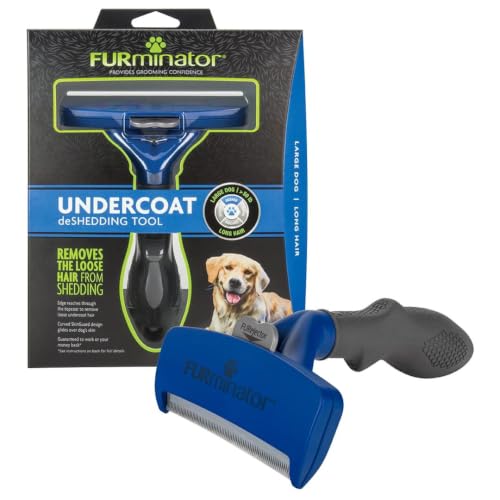
FURminator deShedding Tool
A stainless steel edge pulls loose undercoat hair out without cutting the topcoat, a distinction basic bristle brushes do not make. An ejector button releases collected hair with one press instead of pulling it off by hand. The metal edge is firmer against the skin than rubber-tipped brushes.
Pros
- Reaches undercoat without cutting the topcoat
- Push-button ejector removes collected hair in one motion
- Ergonomic handle reduces hand fatigue on longer sessions
Cons
- Firmer edge is less comfortable on sensitive-skinned dogs
- Less effective on curly or wiry coats than on double coats

Hertzko Self-Cleaning Slicker Brush
Fine bent bristles pull loose hair and detangle in the same motion, while a button retracts the bristles to release collected hair without pulling it off by hand. The design suits medium to long coats prone to tangling more than short-haired breeds. Retractable mechanisms add a moving part that can wear with heavy daily use.
Pros
- Retractable bristles make hair cleanup quick
- Detangles while brushing instead of requiring a separate comb
- Cushioned grip suits longer grooming sessions
Cons
- Retract mechanism is a wear point with heavy daily use
- Less suited to short-haired breeds than slicker-style coats

KONG ZoomGroom
Soft rubber nubs massage the skin while lifting loose hair, a gentler approach than metal bristles for dogs that resist brushing. The rubber material also works on wet coats during bath time, unlike metal tools prone to rust. It removes less deep undercoat hair than a dedicated deshedding tool.
Pros
- Gentle rubber nubs suit sensitive skin and bath time use
- Rinses clean instead of needing an ejector mechanism
- Doubles as a massage tool during baths
Cons
- Removes less deep undercoat than a deshedding tool
- Less effective on long or heavily matted coats

Safari De-Shedding Brush
Stainless steel teeth target loose undercoat similarly to premium deshedding tools, at a lower price point. A wood handle keeps the grip simple without added cushioning or ejector buttons. Hair collects on the teeth and needs manual removal rather than a push-button release.
Pros
- Lower cost than premium deshedding tools
- Stainless steel teeth target loose undercoat effectively
- Simple wood handle keeps the design durable
Cons
- Manual hair removal takes longer than a push-button ejector
- Wood handle lacks the cushioned grip of premium brushes

Chris Christensen Big G Slicker Brush
Fine flexible pins used by professional groomers finish a coat smoothly without the scratching some stiffer slicker brushes cause. The gentle flex suits coat maintenance between shows rather than heavy deshedding work. The premium construction costs more than everyday slicker brushes.
Pros
- Flexible pins finish coats smoothly without scratching
- Favored by professional groomers for coat maintenance
- Lightweight handle reduces fatigue during long sessions
Cons
- Costs more than everyday slicker brushes
- Not designed for heavy deshedding work

Conair PRO Pet Dual-Sided Brush
One side uses bristles for short coats while the flip side uses pins for longer or thicker fur, covering two coat types without buying two tools. The dual-sided design suits multi-pet households with different coat needs. Each side is less specialized than a dedicated single-purpose brush.
Pros
- Two brush types in one tool for mixed coat needs
- Useful for multi-pet households with different coats
- Standard handle keeps the design affordable
Cons
- Each side is less specialized than a dedicated brush
- No self-cleaning or ejector mechanism

Resco Pro Series Greyhound Comb
A fine-tooth metal comb pulls out loose hair missed by brushes, especially around ears and legs where slicker brushes struggle to reach. Professional groomers use similar combs for finishing work after a brush pass. The fine teeth work slower across a full coat than a wide slicker brush.
Pros
- Fine teeth catch loose hair brushes miss near ears and legs
- Durable metal construction holds up to repeated use
- Useful as a finishing tool after a brush pass
Cons
- Slower across a full coat than a wide slicker brush
- Not a primary deshedding tool on its own
Compared at a glance
| # | Model | Tool Type | Best for | Score | Price |
|---|---|---|---|---|---|
| 1 | FURminator deShedding Tool | Stainless steel deshedding edge | Best Overall for Shedding | 8.9 | Check price |
| 2 | Hertzko Self-Cleaning Slicker Brush | Slicker brush, retractable bristles | Best Self-Cleaning | 8.6 | Check price |
| 3 | KONG ZoomGroom | Rubber nub brush | Best for Sensitive Skin | 8.4 | Check price |
| 4 | Safari De-Shedding Brush | Stainless steel deshedding comb | Best Value | 8.2 | Check price |
| 5 | Chris Christensen Big G Slicker Brush | Slicker brush, flexible pins | Best for Show Coats | 8.1 | Check price |
| 6 | Conair PRO Pet Dual-Sided Brush | Dual-sided bristle and pin brush | Best Two-in-One Brush | 8.0 | Check price |
| 7 | Resco Pro Series Greyhound Comb | Fine-tooth metal comb | Best for Fine Detail Work | 7.9 | Check price |
Good to know
Which brush works best for heavy shedding breeds?
A dedicated deshedding tool like the FURminator or Safari options reaches the undercoat better than a standard bristle or slicker brush.
Can a deshedding tool be used every day?
Most guidance suggests using a deshedding tool a few times a week rather than daily, since daily use can irritate skin over time.
What brush is gentlest for sensitive skin?
A soft rubber brush like the KONG ZoomGroom is generally gentler on sensitive skin than metal bristle or tooth designs.
Do slicker brushes work on short-haired dogs?
Slicker brushes are better suited to medium or long coats; short-haired breeds generally do better with a rubber or bristle brush.
How does a self-cleaning slicker brush work?
A button retracts the bristles on brushes like the Hertzko option, releasing collected hair without pulling it off by hand.
Can one brush work for both cats and dogs?
Softer tools like the KONG ZoomGroom work on both, while metal deshedding tools are generally sized and designed for dog coats.
What is the difference between a slicker brush and a deshedding tool?
A slicker brush detangles surface hair with fine pins, while a deshedding tool targets loose undercoat hair with a flat metal edge.
Do grooming combs replace the need for a brush?
A comb like the Resco option works best as a finishing tool after a brush pass, not as a standalone primary tool.
How often should a double-coated dog be brushed during shedding season?
Many owners brush several times a week during peak shedding season rather than just once weekly, to keep up with loose undercoat hair.
Are metal or rubber grooming tools better for matted fur?
Metal tools like slicker brushes or combs generally handle light matting better than rubber nub brushes, which work best on loose hair.
Our pick
Most owners of double-coated breeds should choose the FURminator deShedding Tool, since its steel edge reaches undercoat hair more effectively than bristle or rubber brushes. Owners of dogs with sensitive skin or short coats should pick the KONG ZoomGroom instead, built around gentle rubber nubs. Anyone maintaining a long or show coat gets better finishing results from the Chris Christensen slicker brush than from a deshedding tool built for undercoat removal.
Olivia Hartley
Olivia spent several years working at an animal shelter and a pet-supply retailer before joining the editorial team. She researches pet gear with an emphasis on safety, comfort and the fine print that owners often miss.