Pastels for Every Artist: Top Soft, Oil, and Pencil Picks
The Mungyo Gallery Soft Oil Pastels are our top overall pick for their creamy texture and rich pigments at a budget friendly price. They are ideal for beginners and experienced artists alike who want a soft pastel that blends smoothly. Their main limitation is that they can be a bit crumbly, so you will need to work carefully to avoid excess dust.
Pastels offer a direct and vibrant way to create art. Whether you prefer the chalky texture of soft pastels or the buttery feel of oil pastels, there is a set to suit your style.
Choosing the right pastels can be overwhelming with so many options. We compared top-rated sets to help you find the best for your skill level and artistic goals.
The top picks, ranked

Mungyo Gallery Soft Oil Pastels, 48 Colors
These oil pastels offer a creamy, blendable texture and rich color payoff. They are a favorite among artists for their professional quality at an accessible price.
Pros
- Smooth and creamy application
- Excellent pigment concentration
- Good value for the price
Cons
- Some sticks may be crumbly
- Requires fixative to prevent smudging
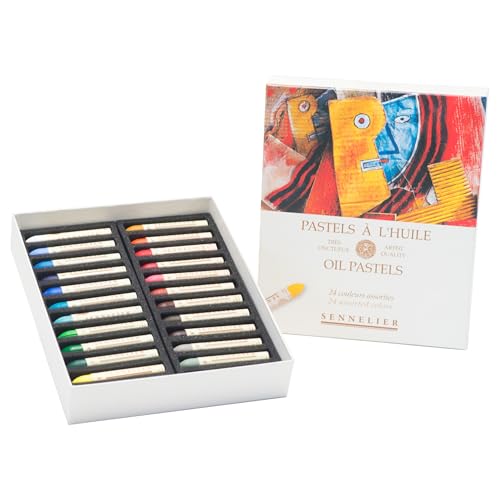
Sennelier Oil Pastels, 24 Assorted Colors
Sennelier oil pastels are renowned for their intense pigments and buttery texture. They are favored by professional artists for their high oil content and lightfastness.
Pros
- Highly pigmented and vibrant
- Smooth, buttery texture
- Excellent lightfastness
Cons
- Higher price point
- Softness makes them prone to breakage

Rembrandt Soft Pastels, 60 Half Sticks
Rembrandt soft pastels offer a traditional chalky texture with excellent lightfastness. They come in a wide range of colors and are a staple for many professional artists.
Pros
- High pigment load
- Smooth, even application
- Permanent and lightfast
Cons
- Can be dusty when applied
- More expensive than other brands

Faber-Castell Creative Studio Oil Pastels, 48 Count
These oil pastels from Faber-Castell are a reliable choice for students and hobbyists. They offer a good balance of quality and affordability, with a wide color selection.
Pros
- Affordable price
- Smooth and easy to blend
- Sturdy packaging
Cons
- Colors may appear less vibrant
- Some sticks can be hard

Holbein Artists’ Oil Pastels, 24 Set
Holbein oil pastels are known for their exceptionally saturated colors and smooth consistency. They are a favorite among illustrators and fine artists for detailed work.
Pros
- Very vivid and intense hues
- Creamy texture
- Less oily than other brands
Cons
- Premium price
- Limited color range in this set

Pentel Arts Oil Pastels, 50 Color Set
Pentel Arts oil pastels are a classic choice for beginners. They are affordable, easy to use, and offer a decent range of colors for practice.
Pros
- Very low cost
- Good color selection
- Easy to blend
Cons
- Less pigmented than professional brands
- May produce more dust

Van Gogh Soft Pastels, 30 Half Pastels
Van Gogh soft pastels offer a great selection of earthy and natural tones. They have a medium hardness that is suitable for both detail and broad strokes.
Pros
- Great for landscape colors
- Medium hardness for control
- Good pigment load
Cons
- Some colors may be chalky
- Limited color range
How they compare
| # | Model | Color Count | Best for | Score | Price |
|---|---|---|---|---|---|
| 1 | Mungyo Gallery Soft Oil Pastels, 48 Colors | 48 assorted colors | Best Overall for Versatility | 9.4 | Check price |
| 2 | Sennelier Oil Pastels, 24 Assorted Colors | 24 assorted colors | Best Professional Quality | 9.1 | Check price |
| 3 | Rembrandt Soft Pastels, 60 Half Sticks | 60 half sticks | Best for Fine Art | 9.0 | Check price |
| 4 | Faber-Castell Creative Studio Oil Pastels, 48 Count | 48 colors | Best for Students | 8.8 | Check price |
| 5 | Holbein Artists’ Oil Pastels, 24 Set | 24 colors | Best for Vivid Color | 8.9 | Check price |
| 6 | Pentel Arts Oil Pastels, 50 Color Set | 50 colors | Best for Beginners | 8.5 | Check price |
| 7 | Van Gogh Soft Pastels, 30 Half Pastels | 30 half pastels | Best for Landscape Art | 8.4 | Check price |
How to choose
Common questions
What is the difference between soft and oil pastels?
Soft pastels are dry and chalky, producing a matte finish, while oil pastels are creamy and greasy, with a paint-like appearance. Soft pastels blend easily with fingers, while oil pastels can be blended with solvents or by layering.
Do I need a fixative for pastels?
Soft pastels can smudge easily, so a fixative is often recommended to protect the artwork. Oil pastels do not dry completely, so they do not require a fixative, but you should store them carefully to avoid smudging.
How do I blend pastels?
Soft pastels can be blended with your fingers, a blending stump, or a soft cloth. Oil pastels can be blended with a brush dipped in turpentine or baby oil for a smooth effect.
Are expensive pastels worth it?
Expensive pastels typically have higher pigment concentration and better lightfastness, resulting in more vibrant and lasting artwork. If you are a serious artist, they are worth the investment.
What is the best paper for pastels?
Pastel paper with a toothy texture is best as it grips the pastel particles. You can also use sanded paper for more layers. Many artists prefer heavyweight paper that can withstand erasing and blending.
Can I mix soft and oil pastels in one artwork?
Yes, you can, but be aware that oil pastels will not adhere well over soft pastels. It is better to use oil pastels first and then add soft pastels on top if needed.
How should I store pastels?
Store pastels in a cool, dry place away from direct sunlight. Keep them in their original boxes or in a compartmentalized case to prevent breakage and dust accumulation.
What is the shelf life of pastels?
Pastels do not have a strict expiration date, but over time they may dry out or become more brittle. Storing them properly can extend their life for many years.
Can I use pastels on other surfaces besides paper?
Yes, pastels can be used on canvas, wood, and even fabric. For these surfaces, you may need to apply a ground or primer to create a toothy surface for the pastels to adhere to.
How do I clean my pastels?
To clean dusty pastels, gently rub them with a soft cloth or use a fine sandpaper to remove the top layer. For oil pastels, you can wipe them with a cloth dampened with a little mineral spirits.
Our pick
For most artists, we recommend the Mungyo Gallery Soft Oil Pastels as the best balance of quality and value. If you are a professional seeking the highest pigment intensity, invest in Sennelier Oil Pastels. For those on a strict budget, the Pentel Arts set is a reliable starting point.
Jake Monroe
Jake worked as a residential contractor for over a decade before shifting to full-time writing. He evaluates power tools, hand tools and workshop gear through the lens of someone who has actually used them on job sites, not just read the box.