Top Paint Respirators for Safe Spraying and Sanding
For most DIYers and pros, the 3M 6200 is the best paint respirator. It offers dual cartridges for balanced airflow, a comfortable silicone facepiece, and works with a wide range of 3M cartridges. Its main limitation is that it lacks a built-in face shield, so you may need separate eye protection when spraying.
Painting with solvent-based finishes or spraying chemicals without proper respiratory protection is a serious health risk. Organic vapors and fine particles can cause short-term dizziness and long-term lung damage. A quality paint respirator is an essential safety tool, not an option.
Choosing the right one depends on the type of paint you use, how long you wear it, and whether you need eye protection. We compared popular models from 3M, Honeywell, and others to help you filter through the options and select a mask that keeps you safe and comfortable on the job.
Before you buy
Our top picks
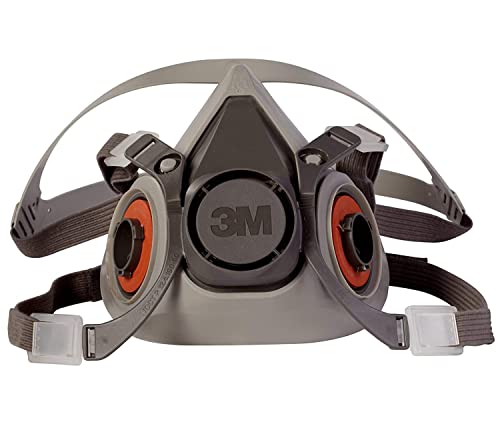
3M 6200 Half Facepiece Respirator
The 3M 6200 is a half mask respirator that owners report as lightweight and comfortable for extended wear. It features a dual cartridge system that balances breathing resistance and provides a secure seal. This model is compatible with a variety of 3M cartridges and filters, making it suitable for paints, lacquers, and pesticides.
Pros
- Comfortable silicone facepiece conforms well
- Low breathing resistance for less fatigue
- Replacement parts readily available
Cons
- No integrated eye protection
- Cartridges sold separately

3M 7502 Reusable Respirator
The 3M 7502 is a rugged half mask designed for demanding applications. It features a cool flow exhalation valve that reduces heat buildup, and the facepiece is made of silicone for all-day comfort. Owners report that the mask stays stable on the face, even when wearing a hard hat or welding hood. It accepts the same 6000 series cartridges and also works with 3M’s advanced filters.
Pros
- Durable construction for job site use
- Cool flow valve reduces moisture and heat
- Secure fit for active work
Cons
- Slightly heavier than basic models
- Higher price point

Honeywell North 7700 Series Half Mask
The Honeywell North 7700 is a half mask that offers a low-profile design, making it easy to wear under a face shield or welding helmet. It features a soft silicone facepiece with a double-seal that provides a comfortable fit for many face shapes. Users appreciate the easy cartridge change and the secure bayonet connection. This mask is compatible with Honeywell’s 75 series cartridges.
Pros
- Low profile fits under other gear
- Soft silicone feels good on skin
- Good seal for many face types
Cons
- Cartridges can be harder to find in stores
- Some users find the straps less durable

3M 6800 Full Facepiece Reusable Respirator
The 3M 6800 is a full facepiece respirator that provides both respiratory and eye protection. It features a large polycarbonate lens that offers a wide field of view and is scratch resistant. The facepiece is made of EPDM rubber, which is lightweight and chemical resistant. This respirator is ideal for spray painting and applications where splashes or impact hazards exist.
Pros
- Integrated eye protection
- Wide, clear lens
- Comfortable for extended wear
Cons
- Bulky for tight spaces
- More expensive than half masks
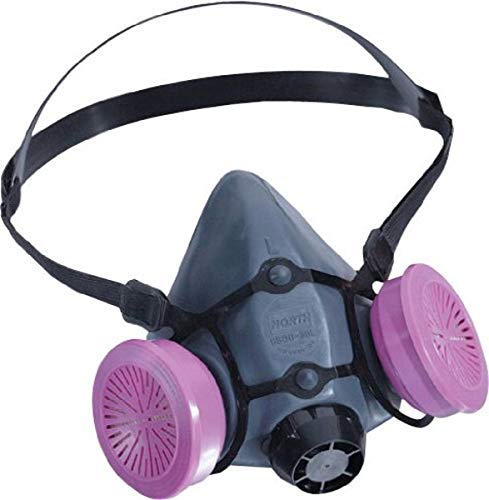
Honeywell 5500 Series Half Mask
The Honeywell 5500 is an economical half mask that still offers reliable protection for hobbyists and DIYers. It has a thermoplastic elastomer facepiece that is lightweight and comfortable. The mask uses a single cartridge, which simplifies replacement and reduces cost. It is compatible with Honeywell’s 75 series cartridges, including organic vapor and particulate filters.
Pros
- Affordable price
- Lightweight and easy to wear
- Simple one cartridge design
Cons
- Less comfortable than silicone for long periods
- Limited cartridge options
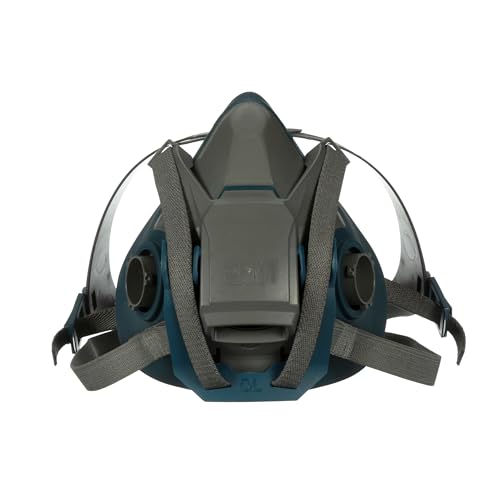
3M 6503QL Quick Latch Half Mask
The 3M 6503QL features a quick latch mechanism that allows the mask to drop down when not in use, which is handy for workers who need frequent breaks. The facepiece is made of silicone and has a balanced dual cartridge design. It is compatible with the 3M 6000 series cartridges and filters. Users find the latch secure and easy to operate even with gloves.
Pros
- Convenient drop down latch
- Comfortable silicone material
- Secure seal
Cons
- Latch adds a bit of bulk
- Price is higher than basic models
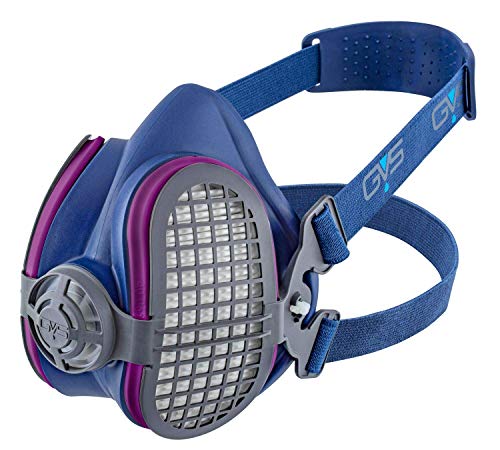
Elipse P100 Half Mask Respirator
The Elipse P100 is a compact half mask that offers a sleek, low profile design. It features an integrated P100 filter that is not replaceable, but the entire mask is disposable after the filter is spent. This device is ideal for protection against particulates, not organic vapors, so it is not suitable for oil-based paints. However, it is excellent for sanding and other dust creating tasks.
Pros
- Extremely lightweight and compact
- Low profile for use under other gear
- No cartridge replacement needed
Cons
- Not for organic vapors or solvent paints
- Entire mask is discarded after filter loads
How they stack up
| # | Model | Type | Best for | Score | Price |
|---|---|---|---|---|---|
| 1 | 3M 6200 Half Facepiece Respirator | Half mask, dual cartridge | Best overall for versatility and comfort | 9.4 | Check price |
| 2 | 3M 7502 Reusable Respirator | Half mask, dual cartridge | Best for professional painters and heavy use | 9.2 | Check price |
| 3 | Honeywell North 7700 Series Half Mask | Half mask, dual cartridge | Best for low profile and wide field of view | 8.8 | Check price |
| 4 | 3M 6800 Full Facepiece Reusable Respirator | Full facepiece | Best full face protection for spray painting | 9.1 | Check price |
| 5 | Honeywell 5500 Series Half Mask | Half mask, single cartridge | Best budget option for occasional use | 8.5 | Check price |
| 6 | 3M 6503QL Quick Latch Half Mask | Half mask, dual cartridge | Best for quick on and off convenience | 8.7 | Check price |
| 7 | Elipse P100 Half Mask Respirator | Half mask, disposable with P100 filter | Best for lightweight comfort and low profile | 8.0 | Check price |
Questions worth asking
Can I use a paint respirator for N95 filtering?
Paint respirators often accept particulate filters like P100, which offer higher filtration efficiency than N95. However, they are not interchangeable for medical use. For paint, you need protection against vapors and particles, and P100 filters are suitable for both when combined with organic vapor cartridges.
How do I know if my respirator fits properly?
Perform a positive and negative pressure fit check. Place your hands over the cartridges and inhale gently. The mask should collapse slightly. Then cover the exhalation valve and exhale. The mask should bulge. If you feel air leaks, adjust the straps or choose a different size.
Do paint respirators protect against isocyanates?
Isocyanates, found in some polyurethane paints, are highly toxic and require special protection. Standard organic vapor cartridges may not be sufficient. You need cartridges specifically rated for isocyanates, such as 3M 60926. Always check the cartridge specifications for your paint’s chemicals.
Can I wear a respirator with a beard?
No, facial hair prevents a tight seal. Even stubble can compromise protection. You must be clean shaven where the respirator contacts the skin. Alternatives like powered air purifying respirators (PAPR) may accommodate some facial hair, but they are expensive and not practical for most DIYers.
How often should I replace the cartridges?
Replace cartridges when you smell paint or solvent while wearing the mask, or after 30 days of use, whichever comes first. If cartridges become damaged or wet, replace them immediately. For particulates, replace when breathing becomes difficult or the filter appears dirty.
What is the difference between a respirator and a dust mask?
A dust mask is a filtering facepiece that only protects against particles, not vapors. A respirator with cartridges provides protection against both. For painting with solvent based products, always use a respirator with organic vapor cartridges. Dust masks are not adequate for this purpose.
Can I use a paint respirator for spray painting with water based paint?
Water based paints contain low levels of volatile organic compounds (VOCs). A particulate filter like P100 may be sufficient to filter out paint mist. However, if you are sensitive or working in a confined space, using an organic vapor cartridge adds extra safety. Always follow the paint’s safety data sheet.
Are full face respirators more protective than half masks?
Both can offer the same level of respiratory protection if fitted correctly. Full face respirators add eye protection and provide a better facial seal. They are recommended for high hazard environments or for those who wear glasses. However, they are heavier and may fog up if not properly maintained.
How do I clean and store my respirator?
After each use, wipe the facepiece with a damp cloth and mild soap. Do not use solvents. Remove cartridges and store them in a sealed plastic bag. Store the respirator in a clean, dry place away from chemicals. Inspect the facepiece for cracks or deformation regularly.
Can I use a half mask respirator for applying fiberglass or epoxy?
Fiberglass and epoxy resins can contain harmful chemicals. You need a respirator with organic vapor cartridges plus a particulate prefilter. Many paint respirators can be equipped with these. Check the cartridge rating for the specific solvents in your epoxy. Some epoxies may require additional protection.
Our pick
For most paint projects, the 3M 6200 is the clear winner due to its balance of comfort, compatibility, and price. If you spray frequently, step up to the 3M 7502 for its durability and cool flow valve. For those also needing eye protection, the 3M 6800 full face mask is the best choice. Avoid disposable particulate only masks if you use solvent based paints.
Jake Monroe
Jake worked as a residential contractor for over a decade before shifting to full-time writing. He evaluates power tools, hand tools and workshop gear through the lens of someone who has actually used them on job sites, not just read the box.