Notebooks Built for Daily Writing, Not Just Looks
The Leuchtturm1917 Medium A5 Notebook is the best overall notebook, pairing numbered pages and a built-in index with paper that resists ink bleed. Fountain pen users get more from the Rhodia Classic Notepad’s smoother stock, while budget buyers should look at Field Notes memo books instead.
The Leuchtturm1917 Medium A5 Notebook handles daily journaling and note taking well, with numbered pages and two ribbon markers that most plain notebooks skip. Its paper runs thinner than premium fountain pen stock, so anyone using wet ink regularly should consider the Rhodia Classic Notepad instead. Pocket carry users will find more practical value in a Field Notes memo book.
Notebooks differ most in paper weight, binding durability, and whether the layout suits writing, sketching, or both. We compared published paper specifications, binding construction, and owner feedback on ink bleed-through to match each notebook to real daily use.
What we recommend
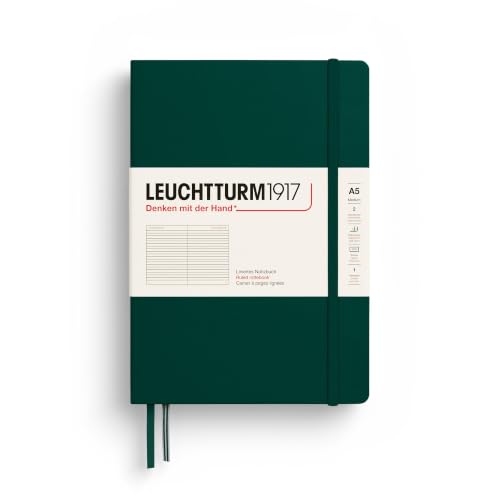
Leuchtturm1917 Medium A5 Notebook
Leuchtturm1917 prints page numbers and includes a blank index page at the front, making long-term reference easier than an unnumbered notebook. The hardcover binding lies flat once opened partway through, unlike some softcover alternatives. Two ribbon markers and a rear pocket round out a feature set aimed at frequent daily use.
Pros
- Numbered pages and index simplify finding past notes
- Hardcover binding lies flatter than most softcovers
- Two ribbon markers help track multiple sections
Cons
- Paper is thinner than dedicated fountain pen notebooks
- Hardcover adds bulk compared to slim softcover options

Rhodia Classic Notepad
Rhodia coats this notepad’s paper to resist feathering, a common problem when fountain pen ink spreads into paper fibers. Micro-perforated pages tear away cleanly without the ragged edge cheaper pads leave. The orange cover has stayed consistent for decades, a detail longtime users specifically look for when reordering.
Pros
- Coated paper resists fountain pen feathering well
- Clean perforation leaves no ragged tear edge
- Smooth surface suits a wide range of pen types
Cons
- Staple binding is less durable than a sewn notebook
- Pages detach, which some users prefer to avoid
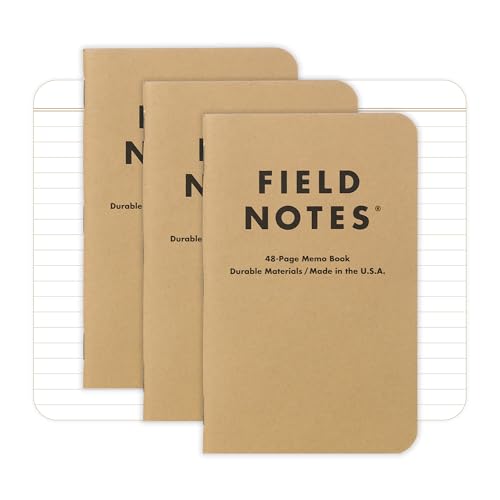
Field Notes Original Memo Book 3-Pack
Field Notes sizes these memo books to fit a shirt or jacket pocket without printing, making them easy to carry daily. A saddle-stitch binding keeps the small page count flat and lightweight. The three-pack format means a fresh book is always ready once one fills up.
Pros
- Pocket size fits easily in a shirt or jacket
- Three-pack keeps a backup always on hand
- Lightweight enough to carry without noticing
Cons
- Small page count fills up quickly with daily use
- Graph layout suits sketching more than long-form writing

Clairefontaine Triomphe Notebook
Clairefontaine finishes this notebook’s paper with a smooth, vellum-like surface that lets pens glide without catching on fiber texture. The lined layout keeps consistent spacing across every page, useful for anyone who writes in a straight line without a ruler. A soft cover trims weight compared to hardbound alternatives.
Pros
- Smooth paper surface reduces pen drag while writing
- Consistent line spacing suits structured note taking
- Lighter weight than comparable hardcover notebooks
Cons
- Softcover offers less protection in a bag
- Glued spine does not lie as flat as sewn binding
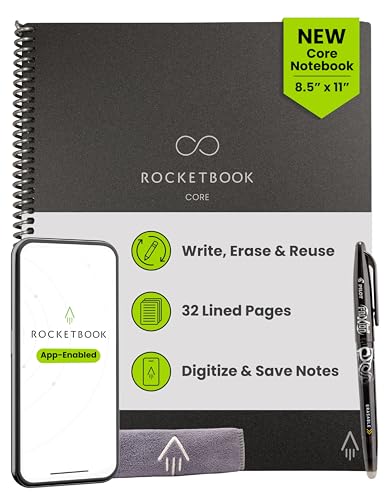
Rocketbook Core Reusable Smart Notebook
Rocketbook prints pages on a synthetic surface that wipes clean with a damp cloth, letting the same pages get reused instead of discarded. A companion app scans each page and uploads it to cloud storage before erasing. The notebook still requires a compatible pen with erasable ink to work as intended.
Pros
- Pages reuse indefinitely instead of filling permanently
- App scan backs up notes before erasing
- Reduces paper waste compared to disposable notebooks
Cons
- Only works properly with the specified compatible pen
- Synthetic page feel differs from traditional paper
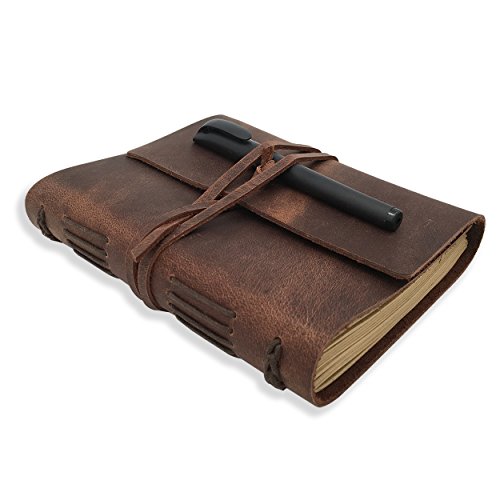
Baronfig Confidant Notebook
Baronfig lets buyers choose from several interior layouts, including dot grid, lined, and blank, within the same cover design. An elastic closure band and a built-in pen loop keep the notebook shut and the pen attached while traveling. The cover comes in multiple colors beyond the standard black most brands default to.
Pros
- Multiple interior layout choices fit different uses
- Pen loop keeps a pen attached without a separate case
- Sewn binding holds up well to daily handling
Cons
- Costs more than standard single-layout notebooks
- Elastic band loosens slightly after extended use

Moleskine Classic Notebook
Moleskine keeps this notebook’s format consistent across editions, so refills and accessories designed for it fit reliably. An elastic closure and rounded corners protect pages from bending in a bag. The ivory-colored paper takes pencil and ballpoint well, though wetter inks show some bleed-through.
Pros
- Consistent format fits widely available accessories
- Rounded corners resist bending in a bag
- Elastic closure keeps the notebook shut reliably
Cons
- Paper shows noticeable bleed-through with wetter inks
- Costs more than comparable notebooks with thicker paper
What matters most
What to look for in a notebook Paper weight decides how much ink bleed-through shows on the opposite side, which matters more for fountain pens and markers than ballpoint. Binding type affects whether the notebook lies flat or springs shut while writing. Page layout, whether lined, dotted, or blank, should match the actual task, from journaling to sketching. Closure and cover durability matter most for anyone carrying a notebook daily in a bag.
Notebooks for fountain pens and wet ink Coated paper, like Rhodia’s Classic Notepad uses, resists the feathering that cheaper uncoated stock shows with wet ink. Smooth finishes, found in the Clairefontaine Triomphe, reduce pen drag for a more controlled line. A thin, unfinished page, by contrast, often shows ink bleeding through to the next sheet.
Notebooks for daily carry and quick notes A pocket-sized option, like the Field Notes memo book, fits a jacket without printing and suits quick capture over long writing sessions. Reusable pages, offered by the Rocketbook Core, work for anyone who takes frequent notes but prefers a digital archive over a shelf of filled notebooks. Larger notebooks suit sit-down writing better than pocket carry.
Notebooks for structured note taking and journaling Numbered pages and a built-in index, a feature of the Leuchtturm1917, make locating old notes far easier than flipping through an unmarked notebook. Customizable interior layouts, available through Baronfig, let a buyer match the page style to a specific project. Standard ruled layouts, like Moleskine’s, work fine for general journaling without special requirements.
How they compare
| # | Model | Page Layout | Best for | Score | Price |
|---|---|---|---|---|---|
| 1 | Leuchtturm1917 Medium A5 Notebook | Dotted, ruled, or plain options | Best Overall | 9.2 | Check price |
| 2 | Rhodia Classic Notepad | Coated to resist feathering | Best for Fountain Pens | 9.0 | Check price |
| 3 | Field Notes Original Memo Book 3-Pack | Pocket-sized memo book | Best for Pocket Carry | 8.5 | Check price |
| 4 | Clairefontaine Triomphe Notebook | Smooth, vellum-like surface | Best Paper Smoothness | 8.9 | Check price |
| 5 | Rocketbook Core Reusable Smart Notebook | Synthetic, wipeable surface | Best for Digital Backup | 8.7 | Check price |
| 6 | Baronfig Confidant Notebook | Dot grid, lined, or blank | Best for Customization | 8.8 | Check price |
| 7 | Moleskine Classic Notebook | Rounded corners, elastic closure | Best Recognized Standard | 8.6 | Check price |
Questions worth asking
What makes a notebook good for daily writing?
Paper weight, binding durability, and a layout that matches the task matter more than the cover material for daily use.
Does paper quality matter in a notebook?
Yes, thicker and coated paper resists ink bleed-through and feathering better than thin uncoated stock, especially with fountain pens.
Are dot grid notebooks better than lined notebooks?
Dot grid, used in notebooks like the Leuchtturm1917, offers more layout flexibility for sketches and tables, while lined suits straightforward writing better.
Can a reusable notebook replace a paper notebook entirely?
It can for someone comfortable scanning pages before erasing, though models like the Rocketbook Core require a specific compatible pen to work properly.
Is a hardcover notebook worth it over softcover?
A hardcover notebook protects pages better in a bag and often lies flatter when open, though it adds weight compared to softcover options.
What notebook works best for fountain pen users?
Coated paper notebooks like the Rhodia Classic Notepad resist feathering and bleed-through better than standard uncoated notebook paper.
Do pocket notebooks hold enough pages for daily use?
Pocket notebooks, such as Field Notes memo books, hold fewer pages than full-size notebooks, so frequent writers may fill one every few weeks.
How does notebook binding affect durability?
Sewn binding, used in notebooks like the Baronfig Confidant, holds up to daily handling better than glued or stapled binding over time.
Is a numbered notebook actually useful?
Numbered pages with an index, found in the Leuchtturm1917, make referencing old notes faster once a notebook fills up over months of use.
What is the difference between notebook paper weights?
Heavier paper resists bleed-through and show-through better, which matters most for anyone writing on both sides of each page with wetter ink.
The bottom line
The Leuchtturm1917 Medium A5 Notebook remains the strongest overall pick for daily writing, combining numbered pages with paper that handles most pens well. Fountain pen users should choose the Rhodia Classic Notepad instead for its coated, feather-resistant surface. Anyone who prefers pocket carry over a desk notebook gets better daily practicality from Field Notes memo books.
Jake Monroe
Jake worked as a residential contractor for over a decade before shifting to full-time writing. He evaluates power tools, hand tools and workshop gear through the lens of someone who has actually used them on job sites, not just read the box.