Which mailing tube protects a rolled print best?
Aviditi Kraft Round Mailing Tubes cover everyday poster shipping, pairing 0.06 inch spiral wound walls with press fit caps that stay seated. Glossy photo prints travel better inside Yazoo Mills White Mailing Tubes. Drawings past 36 inches call for BOX USA Telescoping Mailing Tubes, which extend to length.
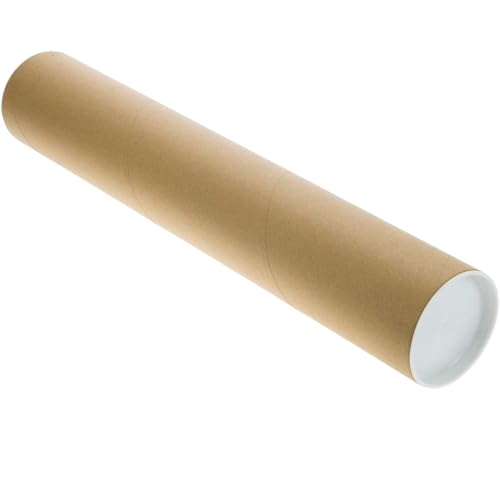
Aviditi Kraft Round Mailing Tubes fit sellers shipping posters, maps and art prints week after week. A 0.06 inch spiral wound wall resists the side loading that flattens thin tubes on a sorting belt, and plastic caps press in without tape. Pack size is the sticking point, because the smallest case holds more tubes than a one time shipper will ever use.
Two numbers decide whether a tube survives, and listings usually bury both: wall caliper and inside diameter. Rankings here rest on published thickness, cap style, available lengths and pack counts across brands currently sold on Amazon. Owner feedback about crushed ends, caps working loose and tubes arriving already dented broke the ties.
How to pick the right one
What to look for in a mailing tube Wall caliper decides whether a tube leaves a sorting belt intact. Board at 0.06 inch or thicker handles normal parcel traffic, while thinner stock creases at the ends first. Inside diameter comes next, since a print forced into a narrow bore holds a memory curl for weeks. Caps should go in under thumb pressure and stay put when you shake the tube. Read the listing for whether caps are included, because some brands sell tube and cap separately.
Matching diameter and length to what you are rolling One 18 by 24 poster rolls comfortably into a 1.5 or 2 inch bore. Three prints together need 3 inches to avoid a tight curl that never relaxes. Leave roughly an inch of empty tube past each end of the paper so edges never touch a cap. Rolling around a loose paper core helps heavy stock flatten faster after opening. Glassine or tissue between sheets prevents ink transfer on humid routes.
Shipping art prints and photographs Metallic and glossy papers pick up loose fiber from uncoated kraft, which is exactly what white lined tubes solve. Sleeve each print, roll it, then tape the roll loosely so it cannot spring open inside. Run tape across both caps before drop off, since caps popping free causes most damage claims. A printed care card doubles as a shim that stops the roll from sliding.
Blueprints, banners and oversize drawings Past 36 inches the choice narrows to telescoping tubes or custom lengths. Carrier rules bind before tube limits do: USPS caps length plus girth at 108 inches, and long parcels often bill as oversize with UPS and FedEx. Plotter output on vellum or mylar stays kink free in a 3 inch bore. Daily shippers should skip telescoping tubes entirely, because taping the overlap adds a step to every order.
The shortlist, ranked
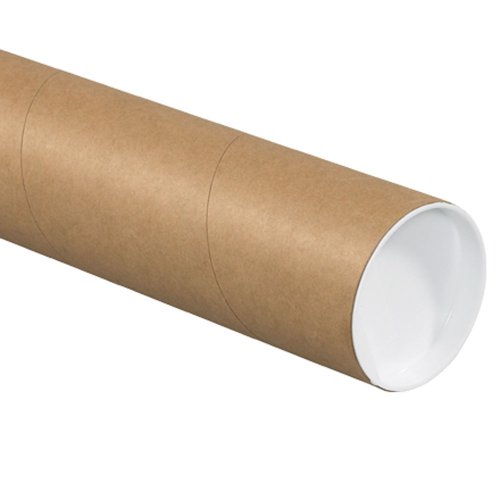
Aviditi Kraft Round Mailing Tubes with End Caps
Spiral wound kraft measures 0.06 inch at the wall, the caliper commercial print shops settle on for posters up to 24 inches wide. Caps press flush and bite the inner wall, so a customer can open the tube and reuse it. Buying happens by the case, which suits weekly shippers more than someone mailing one diploma.
Pros
- Caliper matches commercial shipping practice
- Caps seat firmly with no tape or glue
- Diameter and length grid covers odd print sizes
Cons
- Case quantities only, no small packs
- Bare kraft scuffs visibly on long routes

Yazoo Mills White Mailing Tubes
White board on both faces keeps kraft dust off a glossy surface during a multi day transit. Yazoo winds these tubes in Pennsylvania and publishes caliper by size, so long tubes step up to thicker board instead of holding at the minimum. Extra board adds ounces, which shows up on zone based postage.
Pros
- Interior sheds no brown fiber onto prints
- Long sizes step up to thicker board
- Presentable enough for gallery and client shipments
Cons
- Heavier than kraft at matching dimensions
- Scuffs read more clearly on a white surface

ValBox Kraft Mailing Tubes with Caps
Pack counts land around a dozen per size, sitting between hobby quantities and pallet buys. Walls run near 0.05 inch, thin enough that posters suit them better than rolled canvas or heavy plotter stock. Caps ship loose in the box and go in under thumb pressure.
Pros
- Pack counts fit low volume shops
- Every tube arrives with its cap
- Lighter board keeps parcel weight down
Cons
- Thinner wall than case pack brands
- Few length choices per diameter

Juvale Kraft Mailing Tubes
Short packs of 2 by 12 inch tubes aim squarely at occasional senders. Certificates, single prints and rolled labels travel fine inside them; architectural sets do not. Owners routinely tape over the caps before drop off, a habit the wall thickness makes sensible.
Pros
- Small packs suit occasional shipping
- Short tubes store in a desk drawer
- Light board keeps parcels in low weight bands
Cons
- Wall gives under a firm squeeze
- Caps want a tape wrap on anything valuable

BOX USA Telescoping Mailing Tubes
Two nested kraft tubes slide apart, so one stocked size covers a 24 inch print and a 60 inch drawing set. No cap holds the overlap, which makes taping the seam part of every pack out. Heavy board keeps blueprints, banners and rolled vinyl from bending mid span.
Pros
- One size handles several document lengths
- Heavy board resists sag across long spans
- Cuts the number of tube lengths you stock
Cons
- Seam needs tape on every shipment
- Takes more shelf space than fixed tubes

Magicwater Supply Kraft Mailing Tubes
Diameters stop at 2 inches, sized for one rolled print wrapped in tissue. Listings state exact counts and include caps, which keeps reordering predictable for an Etsy or eBay shop. Prints wider than 18 inches want a larger bore than anything in this range offers.
Pros
- Narrow bore keeps single prints tightly rolled
- Stated pack counts simplify reordering
- Caps seat without rattling in transit
Cons
- No wide diameters for multi print orders
- Board too light for canvas rolls

Sparco Fiberboard Mailing Tube
Mail rooms have bought this 3 by 24 inch fiberboard tube for decades. Fiberboard takes a corner knock better than thin kraft, and the plastic plugs hold through interoffice handling. Size choice is the limit, so anything unusual sends you to another brand.
Pros
- Stiffer wall than economy kraft tubes
- Reorders alongside normal office supplies
- Plugs stay seated in routine handling
Cons
- Very narrow size range
- Plain finish looks utilitarian to customers
How they stack up
| # | Model | Wall construction | Best for | Score | Price |
|---|---|---|---|---|---|
| 1 | Aviditi Kraft Round Mailing Tubes with End Caps | 0.06 in spiral wound kraft | Best overall | 9.4 | Check price |
| 2 | Yazoo Mills White Mailing Tubes | White spiral wound paperboard | Best for photo prints | 9.2 | Check price |
| 3 | ValBox Kraft Mailing Tubes with Caps | Spiral wound kraft, approx 0.05 in | Best value | 9.0 | Check price |
| 4 | Juvale Kraft Mailing Tubes | Kraft paperboard | Best budget | 8.8 | Check price |
| 5 | BOX USA Telescoping Mailing Tubes | Two piece telescoping kraft | Best for long documents | 8.6 | Check price |
| 6 | Magicwater Supply Kraft Mailing Tubes | 1.5 in and 2 in | Best for handmade sellers | 8.3 | Check price |
| 7 | Sparco Fiberboard Mailing Tube | Fiberboard | Best for office reordering | 8.0 | Check price |
Questions worth asking
What size mailing tube do I need for a 24 by 36 poster?
Roll along the 24 inch edge and pick a tube at least 25 inches long. One poster fits a 2 inch inside diameter, while three or more sheets, or any heavy stock, want 3 inches.
How thick should a mailing tube wall be?
Spiral wound board at 0.06 inch suits parcels crossing the country. Around 0.05 inch works for short hops, lightweight certificates and single rolled labels.
Kraft or white mailing tubes for art prints?
White board keeps brown fiber off glossy and metallic surfaces, so galleries and photographers prefer it. Kraft weighs less and stocks easily for everyday posters and maps.
Do you need to tape the end caps on a mailing tube?
Tape anything valuable. Press fit caps survive normal handling, but one strip across each end removes the single most common failure.
Can you ship a mailing tube with USPS Priority Mail?
Yes, tubes move as standard parcels as long as length plus girth stays under 108 inches. Past roughly 22 inches, private carriers may apply oversize handling instead.
Telescoping tube vs fixed length tube: which is better?
Telescoping covers many document lengths from one stocked size, useful when order sizes vary. Fixed tubes with caps pack faster when every shipment leaves at the same size.
Are mailing tubes reusable?
Spiral wound tubes with press fit caps handle several round trips when the caps pull out cleanly. Hot glue or heavy tape usually tears the rim on the first opening.
How many prints fit in one mailing tube?
A 2 inch bore takes one or two sheets of standard poster stock. Five to ten prints need 3 inches, with tissue between sheets so surfaces do not rub.
What is the best mailing tube for blueprints?
BOX USA Telescoping Mailing Tubes, because drawings past 36 inches exceed most fixed lengths. A 3 inch bore also keeps vellum and mylar from kinking at the ends.
Why do mailing tubes arrive crushed?
Thin board collapses under side loading on sorting equipment, creasing at the ends first. Stepping up to a 0.06 inch wall and capping both ends fixes nearly all of it.
The verdict
Aviditi Kraft Round Mailing Tubes deserve the standing order for anyone shipping prints weekly, since a 0.06 inch wall and press fit caps remove the two damage claims that keep recurring. Photographers moving glossy and metallic paper should accept the weight penalty and stock Yazoo Mills White Mailing Tubes instead. For drawings longer than 36 inches neither one works, and BOX USA Telescoping Mailing Tubes become the practical choice.
Marcus Chen
Marcus covered consumer electronics for enthusiast tech publications for six years before joining ChoiceCrest. He specializes in translating manufacturer spec sheets into plain-language buying advice, with a focus on audio, computing accessories and smart-home gear.