Best Log Splitters for Cords, Stove Wood and Kindling
Champion 100251 splits the widest range of wood, with 25 tons of force and a vertical mode for rounds too heavy to lift. WEN 56208 runs off a 15 amp household circuit for quiet suburban work. Sun Joe LJ10M needs no fuel or outlet at all.
Champion 100251 is the pick for anyone processing full cords. Its 25 tons and vertical mode handle knotty oak nobody wants to hoist onto a beam. Gasoline, oil changes and engine noise are the tradeoff. Burn two face cords a winter and an electric splitter makes more sense.
Tonnage headlines every listing, yet capacity limits and cycle behavior decide how long a Saturday runs. We compared ram force, maximum log length and diameter, engine and motor ratings, and towing hardware. Owner feedback on wedge wear and hydraulic seal leaks shaped the order.
How to choose
What to look for in a log splitter Wood species and diameter set your force requirement, not brand claims. Six to seven tons split seasoned pine, poplar and small maple. Oak, elm and crossed grain around a knot want 20 tons or more. Capacity arrives as two numbers, length and diameter, and the smaller one stops you first. Cycle time then decides your ceiling on pieces per hour.
Gas vs electric vs manual log splitters Gas units travel to the wood and split faster, paying for it in fuel, servicing and noise. Electric models such as the WEN 56208 draw from a house circuit and run safely inside a garage. Manual hydraulics like the Sun Joe LJ10M ask only for time and arm work. Power source usually settles the purchase before tonnage does. Volume is the tiebreaker: a cord a year points electric, five cords point gas.
Best log splitters for suburban yards Noise rules and close neighbors rule out a 224cc engine on many streets. Electric splitters in the 6.5 to 7 ton class cover seasoned stove wood with no exhaust. Boss Industrial ES7T20 adds a 12 inch diameter limit, which matters more than its extra half ton. Storage counts as well, since a garage bay leaves less room than a barn. Upright frames like the Powerhouse XM-380 give that floor space back.
Green wood, knots and rounds too heavy to lift Freshly felled timber grips itself and resists the wedge far longer than seasoned wood. A 7 ton electric stalls where 25 tons keeps moving. Knots are worse, because grain runs in several directions at once. Stringy fibers hang between halves, which is where the YARDMAX stripper plate saves handwork. Rounds past roughly 100 pounds belong on a vertical beam, and anyone stocking green oak should skip the electric class entirely.
The top picks, ranked
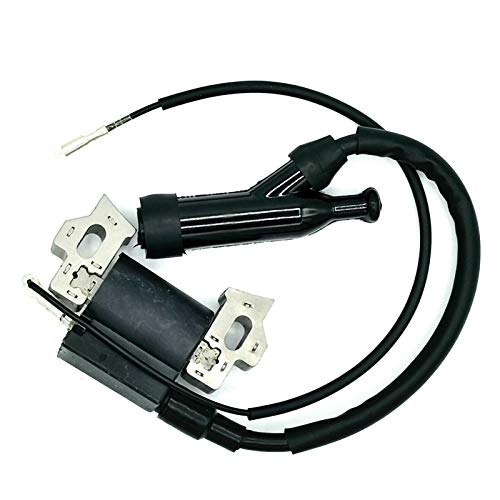
Champion Power Equipment 100251 25-Ton Log Splitter
A 224cc Champion OHV engine drives 25 tons through the wedge, enough for knotty oak and stringy elm. Vertical mode lets you roll a heavy round into place instead of lifting it. Road rated tires and a tow hitch move the machine between wood piles.
Pros
- Vertical mode removes the heaviest lifting
- Accepts rounds up to 24 inches long
- Tows behind a vehicle on road rated tires
Cons
- Gasoline, oil changes and dry storage required
- Too loud for yards close to neighbors

YARDMAX YS2565 25-Ton Log Splitter
Split halves land in a log cradle rather than the mud, and a stripper plate clears wood that grips the wedge. A 208cc Briggs & Stratton engine produces the same 25 tons as the Champion. Cradle hardware adds bolts, so assembly runs longer.
Pros
- Cradle keeps split pieces at working height
- Stripper plate frees wood stuck on the wedge
- Briggs & Stratton service parts are widely stocked
Cons
- Assembly takes longer than rival gas units
- Cradle widens the footprint in storage

WEN 56208 6.5-Ton Electric Log Splitter
Power comes from a standard 15 amp, 120 volt outlet, so there is no fuel, no fumes and no pull cord. Its 6.5 tons split seasoned maple and birch up to 10 inches across. Green knotty oak sits outside that range, so match the machine to the wood you actually burn.
Pros
- Runs inside a garage without exhaust fumes
- Quiet enough for a close neighborhood
- No fuel system to winterize
Cons
- Stalls on green knotty hardwood
- Needs an outlet or heavy gauge extension cord

Boss Industrial ES7T20 7-Ton Electric Log Splitter
Boss builds a heavier steel beam than most 7 ton electrics carry. Twelve inch diameter capacity covers the bulk of rounds sold by the cord. An automatic return ram shortens each cycle without a second lever to work.
Pros
- Takes wider rounds than typical electric units
- Automatic return speeds up repeat splitting
- Steel beam stays rigid under load
Cons
- Heavier to reposition than lighter electrics
- Green hardwood still exceeds 7 tons
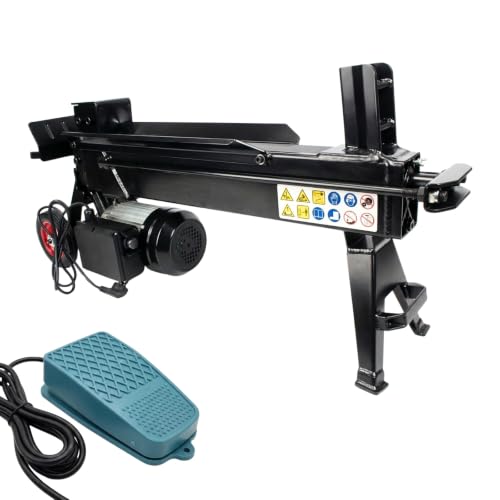
Powerhouse XM-380 7-Ton Electric Log Splitter
Throughput shapes the XM-380, with a ram that resets quickly between rounds. Seven tons covers seasoned firewood up to 20 inches long. Its compact frame stands upright in a garage corner when the season ends.
Pros
- Fast ram return keeps a steady rhythm
- Small footprint stores upright
- Plugs into an ordinary 120 volt circuit
Cons
- Short beam rules out rounds over 20 inches
- Wheels suit repositioning, not towing

Sun Joe LJ10M 10-Ton Manual Log Splitter
Two hand levers pump a 10 ton ram, so nothing plugs in and nothing burns fuel. Pumping is slow, which fits a weekend of stove wood rather than a cord of oak. At roughly 80 pounds it lifts into a truck bed without help.
Pros
- Needs no fuel, cord or engine
- Ten tons of force from hand power
- Stores in a shed corner all winter
Cons
- Far slower than any powered splitter
- Two handed pumping tires you over long sessions

Kindling Cracker King Firewood Splitter
You strike the wood, not a blade, so hands stay outside the cutting path. Cast iron shrugs off years spent beside an outdoor wood pile. King sizing widens the ring, though the tool still handles kindling and small rounds only.
Pros
- Hands stay clear of the fixed blade
- No power source or servicing at all
- Cast iron tolerates outdoor storage
Cons
- Limited to kindling and small rounds
- Must be bolted to a stump or block
The lineup, side by side
| # | Model | Force | Best for | Score | Price |
|---|---|---|---|---|---|
| 1 | Champion Power Equipment 100251 25-Ton Log Splitter | 25 tons | Best overall | 9.4 | Check price |
| 2 | YARDMAX YS2565 25-Ton Log Splitter | 25 tons | Best for big rounds | 9.2 | Check price |
| 3 | WEN 56208 6.5-Ton Electric Log Splitter | 6.5 tons | Best for suburban yards | 9.0 | Check price |
| 4 | Boss Industrial ES7T20 7-Ton Electric Log Splitter | 7 tons | Best value electric | 8.8 | Check price |
| 5 | Powerhouse XM-380 7-Ton Electric Log Splitter | 7 tons | Best for quick repeat splits | 8.6 | Check price |
| 6 | Sun Joe LJ10M 10-Ton Manual Log Splitter | 10 tons | Best budget | 8.3 | Check price |
| 7 | Kindling Cracker King Firewood Splitter | Cast iron ring and fixed blade | Best for kindling | 8.0 | Check price |
Good to know
How many tons does a log splitter need for oak?
Plan on 20 to 25 tons for seasoned oak above 16 inches. Green oak makes 25 tons the sensible floor. Small electrics manage thin, straight oak but stop at knots. Champion 100251 and YARDMAX YS2565 both deliver 25 tons.
Is an electric log splitter powerful enough for firewood?
For seasoned softwood and medium hardwood up to about 12 inches, yes. WEN 56208 and Boss Industrial ES7T20 cover ordinary stove wood. Green hardwood and oversized rounds need a gas machine.
What size log splitter is best for a homeowner?
Two or three face cords a year run fine on 6.5 to 7 tons. Above a full cord of hardwood, 22 to 25 tons pays back in hours saved. Match the figure to your worst wood, not your average piece.
What is a good cycle time for a log splitter?
Under roughly 15 seconds keeps a two person crew working without idle time. On easy wood, a quick cycle beats extra tonnage. Powerhouse XM-380 is built around return speed for exactly that reason.
Can you split green wood with a log splitter?
Yes, though green fibers resist and demand more force. Gas units in the 25 ton class push through. Expect strands hanging between halves, which a stripper plate clears.
Do you need a vertical log splitter?
Only when rounds are too heavy to lift onto a horizontal beam, roughly past 100 pounds. Vertical mode spares your back on big oak and maple. For 10 inch stove wood it adds nothing but height.
Gas vs electric log splitter: which costs less to run?
Electric wins on running cost, with no fuel, no oil and no air filter. Gas wins on throughput and freedom from an outlet. Volume decides this more often than operating cost does.
Can a log splitter be towed on the road?
Some can. Champion 100251 and YARDMAX YS2565 ride on road rated tires with a hitch for short, low speed trips. Electric units roll on small yard wheels and travel inside a vehicle.
How do you maintain a hydraulic log splitter?
Check fluid level before each session and watch hose fittings for weeping. Grease the beam so the ram slides cleanly, then pick embedded bark out of the wedge. Gas engines add oil changes and fuel stabilizer before storage.
Which log splitter is best for making kindling?
Kindling Cracker King, since a hydraulic wedge crushes thin pieces instead of splitting them. You strike the wood with a mallet and keep hands clear. Bolt the ring to a stump so it cannot tip.
Our pick
Champion 100251 earns the recommendation for anyone splitting a cord or more of hardwood each year. Vertical operation removes the lifting and 25 tons removes the stalling. Households seasoning two or three face cords should buy the WEN 56208 and keep the garage quiet. Add a Kindling Cracker King either way, because hydraulic wedges make poor kindling.
Sierra Daniels
Sierra's background is in landscape design and nursery retail. She focuses on lawn and garden equipment, outdoor furniture and gear durability, weighing published specs against how materials actually hold up outside.


