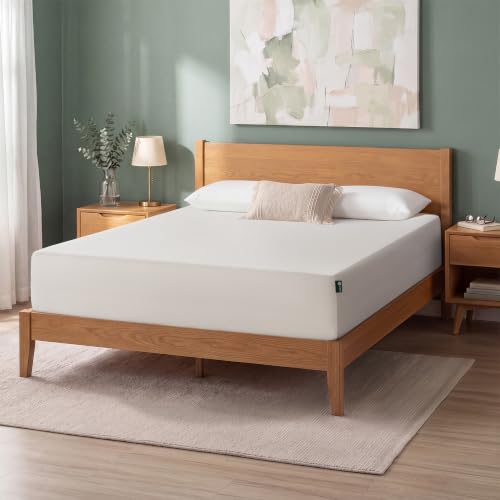
Latex Mattress Picks by Firmness, Cooling and Sleep Position
Avocado Green Mattress suits most sleep positions with certified organic Dunlop latex and a medium-firm feel, PlushBeds Botanical Bliss lets couples pick different firmness per side, and Zenhaven flips between two firmness levels for side sleepers.
Avocado Green Mattress pairs GOLS-certified organic Dunlop latex with pocketed coils for a medium-firm feel that works across sleep positions. PlushBeds Botanical Bliss splits firmness by side for couples with mismatched preferences, and Zenhaven flips between a firm side and a plush side built for pressure-sensitive shoulders and hips.
Dunlop and Talalay processing change bounce and cooling more than brand name does, and layer count affects how a mattress handles weight and motion. We compared construction details, firmness ratings and owner feedback across seven latex mattresses.
What we recommend

Avocado Green Mattress
GOLS-certified organic Dunlop latex sits over a pocketed coil support layer, producing a medium-firm feel suited to back and stomach sleepers. Owners report better airflow than all-foam latex beds thanks to the coil layer. An optional pillow-top version softens pressure points for side sleepers.
Pros
- Certified organic materials throughout the build
- Coil base improves airflow versus all-foam beds
- Optional pillow-top version suits side sleepers
Cons
- Base model runs firm for lighter side sleepers
- Heavier build makes moving it a two-person job
PlushBeds Botanical Bliss
Each half of the mattress ships with a different firmness level, so couples with mismatched preferences share one bed without compromise. Layers use 100 percent natural Dunlop latex rather than blended synthetic latex. Owners note the stacked construction lets a single worn layer be replaced without buying a new mattress.
Pros
- Split firmness option suits couples with different needs
- Individual layers can be reordered if one wears unevenly
- No synthetic memory foam anywhere in the layer stack
Cons
- Split firmness build costs more than a single-firmness version
- Stacked layers can shift slightly without a locking cover

Zenhaven
Flipping the mattress switches between a gentle firm side and a softer luxury plush side. Side sleepers use the plush side to ease pressure on shoulders and hips. Talalay latex construction gives more bounce than the Dunlop layers found in most competitors here.
Pros
- Flippable design packs two firmness options into one mattress
- Talalay latex adds bounce and even pressure distribution
- Open-cell structure sleeps cooler than dense memory foam
Cons
- Flipping the mattress needs two people due to its weight
- No thin profile option compatible with adjustable bases
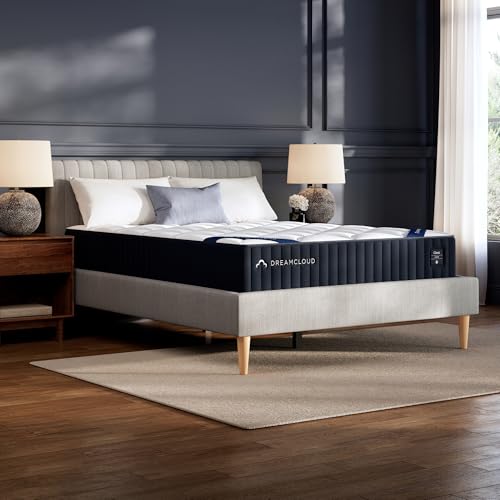
Saatva Latex Hybrid
A Talalay latex comfort layer sits over individually wrapped coils, aimed at sleepers who shift positions overnight. Edge support outperforms most all-latex beds thanks to the coil layer underneath. Owners moving between side and back sleeping describe consistent support across positions.
Pros
- Strong edge support from the wrapped coil layer
- Works well for sleepers who change positions overnight
- Coil base adds airflow beyond what latex alone provides
Cons
- Less body contouring than all-latex or memory foam beds
- Medium firmness may feel too soft for strict back sleepers

Birch Natural Mattress
Natural latex pairs with wrapped coils at a lower price than most organic competitors, aimed at buyers who want natural materials without the premium cost. A wool layer regulates temperature beyond what latex alone manages. Owners describe the feel as medium-firm and consistent across the surface.
Pros
- Priced below most natural or organic latex competitors
- Wool layer adds temperature regulation
- Consistent medium-firm feel across the sleeping surface
Cons
- Fewer firmness customization options than premium brands
- Wool layer needs occasional airing out to manage moisture

EcoTerra Latex Hybrid
Selling direct to consumers cuts distribution costs, which lets EcoTerra offer natural latex over coils below typical brand pricing. A pocketed coil layer supports heavier sleepers better than thin all-foam beds manage. Owners note the medium firmness suits back and combination sleepers.
Pros
- Lower price through a direct-to-consumer sales model
- Pocketed coils support heavier sleepers well
- Medium firmness suits back and combination sleepers
Cons
- Fewer firmness options than higher-priced competitors
- Limited showroom access for trying the feel beforehand

Awara Natural Hybrid
A tall coil base is designed for airflow, aimed at hot sleepers who found memory foam beds trapped heat overnight. Owners report noticeably less heat buildup than foam-only mattresses. Firmness sits toward the firmer end, which suits back and stomach sleepers more than side sleepers.
Pros
- Tall coil base sleeps noticeably cooler than foam beds
- Priced below several natural latex competitors
- Firmer feel suits back and stomach sleepers
Cons
- Firmness may feel too rigid for petite side sleepers
- Fewer layer customization options than premium brands
How they compare
| # | Model | Latex type | Best for | Score | Price |
|---|---|---|---|---|---|
| 1 | Avocado Green Mattress | GOLS-certified organic Dunlop | Best overall | 9.3 | Check price |
| 2 | PlushBeds Botanical Bliss | 100% natural Dunlop | Best for couples with different firmness needs | 9.1 | Check price |
| 3 | Zenhaven | Talalay latex | Best for side sleepers | 8.9 | Check price |
| 4 | Saatva Latex Hybrid | Talalay latex comfort layer | Best for combination sleepers | 8.7 | Check price |
| 5 | Birch Natural Mattress | Natural Talalay latex | Best value | 8.5 | Check price |
| 6 | EcoTerra Latex Hybrid | Natural Talalay latex | Best for budget-conscious natural latex buyers | 8.2 | Check price |
| 7 | Awara Natural Hybrid | Natural Dunlop latex | Best for hot sleepers on a budget | 8.0 | Check price |
What matters most
What to check before buying a latex mattress Confirm whether the mattress uses Dunlop or Talalay latex. Dunlop feels denser and more supportive, while Talalay feels bouncier and more responsive. Compare the brand’s firmness scale directly, since medium-firm ratings vary between manufacturers.
All-latex vs latex hybrid construction All-latex beds, like PlushBeds Botanical Bliss, give consistent contouring but softer edge support. Hybrid builds, like Saatva Latex Hybrid or Avocado Green, add coils underneath for stronger edges and better airflow.
Best for side sleepers vs back and stomach sleepers Side sleepers benefit from a softer latex layer or a flippable option like Zenhaven, since extra cushioning eases shoulder and hip pressure. Back and stomach sleepers do better on firmer builds, like Awara Natural Hybrid, which keeps the spine aligned without excess sinkage.
Budget natural latex vs premium organic options Certified organic materials cost more, as with Avocado Green or PlushBeds. Budget-conscious buyers can still get natural, non-synthetic latex through direct-to-consumer brands like Birch or EcoTerra, which cut costs through distribution rather than material quality.
Common questions
What is the difference between Dunlop and Talalay latex?
Dunlop latex is denser and firmer, giving more support, while Talalay latex is processed differently to create a bouncier, more even feel.
Is a latex mattress good for side sleepers?
Yes, especially softer or flippable options like Zenhaven, which reduce pressure on the shoulders and hips compared to firmer latex builds.
Do latex mattresses sleep cooler than memory foam?
Generally yes. Latex has an open-cell structure that traps less heat than dense memory foam, and hybrid builds with coils, like Avocado Green or Saatva, add further airflow.
How long do latex mattresses last?
Natural latex mattresses often last 10 to 15 years, longer than typical foam beds, due to latex’s resistance to sagging and body impressions.
Is natural latex better than synthetic latex?
Natural latex, sourced from rubber tree sap, tends to be more durable and breathable than synthetic latex, which is petroleum-based and often blended to cut cost.
Can couples with different firmness preferences share a latex mattress?
Yes. Split-firmness options like PlushBeds Botanical Bliss let each side of the bed use a different firmness level.
Are latex mattresses good for heavier sleepers?
Yes, especially hybrid builds with a coil support layer, like Saatva Latex Hybrid or Awara, which handle added weight better than all-foam beds.
What firmness level is best for a latex mattress?
Medium-firm, around 6 to 7 out of 10, suits most sleep positions, though dedicated side sleepers often prefer a softer option in the 4 to 5 range.
Latex vs memory foam mattress, which is better for hot sleepers?
Latex generally sleeps cooler due to its open-cell structure, while memory foam tends to trap more body heat unless paired with a cooling cover.
Do latex mattresses need a special bed frame?
No. Most latex and latex hybrid mattresses work on standard slatted or platform frames, though very heavy all-latex beds benefit from closely spaced slats.
Final word
Avocado Green Mattress covers the widest range of sleep positions with certified organic materials, which makes it the safest default choice. Couples with mismatched firmness preferences should choose PlushBeds Botanical Bliss for its split option, while dedicated side sleepers get more targeted pressure relief from Zenhaven’s softer flip side.
Dana Whitfield
Dana spent eight years buying and merchandising for a regional kitchenware retailer before moving into editorial work. She has handled thousands of SKUs across cookware, small appliances and kitchen organization, and focuses on the practical differences that matter once a product is actually in daily use.