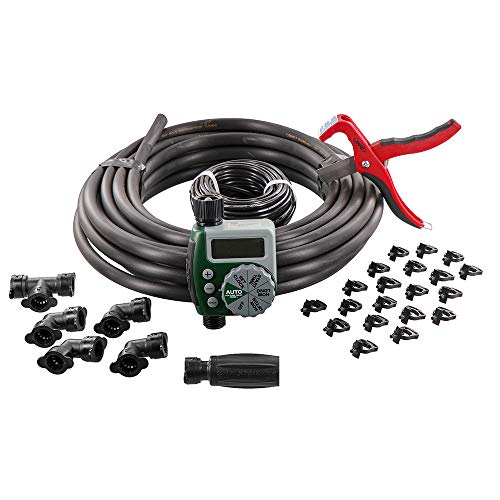
Large Capacity Garden Hoses for Backyard Watering
The Continental 75ft garden hose is our top pick for large backyards, offering a 5/8 inch diameter for high water flow and a kink-free design that reaches every corner. Its main advantage is the combination of flexibility and durability, while its main limitation is that it is heavier than some lighter-duty hoses.
Watering a large backyard means dragging a hose across lawns, around flower beds, and over patios. A standard hose can kink, restrict flow, or burst under pressure. Large capacity hoses, typically 5/8 inch or 3/4 inch in diameter, deliver more water and stand up to daily use.
This roundup compares top-rated hoses that offer long lengths, robust materials, and convenient features. We considered user reports and specifications to help you choose a hose that will make watering easier and last for years.
The top picks, ranked

Continental 75ft Garden Hose
The Continental 75ft hose is a heavy-duty workhorse for big yards. It has a 5/8 inch inner diameter that delivers high water flow, and its hybrid polymer construction resists kinks and abrasions. It stays flexible in cold weather and has solid brass fittings for a leak-free connection.
Pros
- High flow rate for large areas
- Kink resistant even in hot sun
- Durable brass fittings
Cons
- Heavier than lighter hoses
- May be overkill for small yards
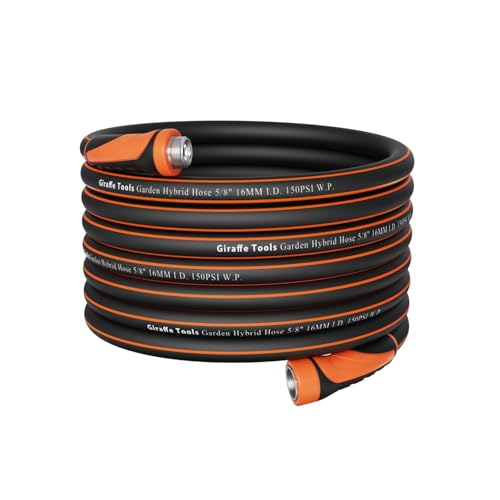
Giraffe 100ft Garden Hose
The Giraffe 100ft hose is designed for the largest properties. With a 5/8 inch diameter, it provides ample water pressure and flow. Its ultra-flexible design resists tangles and kinks, and the all-metal fittings add to its durability. It comes with a 10-year warranty.
Pros
- Extremely long reach
- Flexible in cold weather
- Leak-proof connections
Cons
- Heavy to move around
- Requires strong water pressure
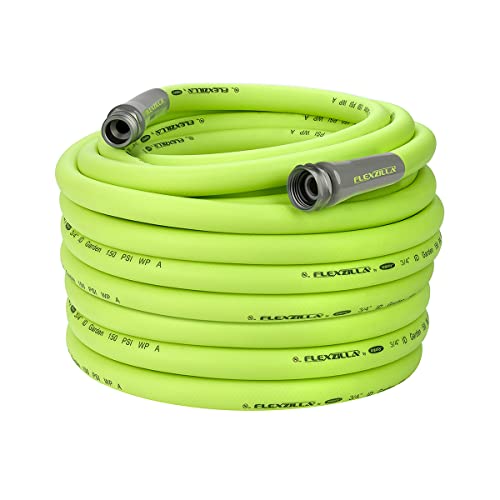
Flexzilla 3/4 in. x 100 ft. Garden Hose
The Flexzilla 3/4 inch hose is a professional-grade choice for serious gardeners. Its larger diameter allows maximum water flow, and the hybrid polymer construction resists kinking and abrasion. It stays flexible in extreme temperatures and has an anodized aluminum hose end.
Pros
- Maximum water flow
- Extremely durable
- Flexible in all weather
Cons
- Very heavy and bulky
- Pricey for average user
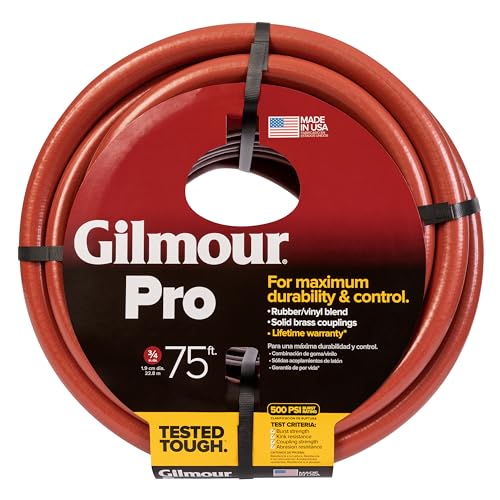
Gilmour 75ft Heavy Duty Garden Hose
The Gilmour 75ft hose offers a balance of performance and affordability. Its 5/8 inch diameter provides good flow, and the thick rubber outer layer resists punctures and kinks. The crush-proof brass fittings ensure a reliable connection.
Pros
- Affordable price
- Durable rubber construction
- Crush-proof fittings
Cons
- Heavier than polymer hoses
- Can be stiff in cold weather

Craftsman 100ft Premium Rubber Garden Hose
The Craftsman 100ft premium rubber hose is made for tough conditions. It remains flexible in freezing temperatures, and its 5/8 inch diameter delivers strong water flow. The heavy-duty brass fittings and reinforced construction make it a long-lasting choice.
Pros
- Flexible in cold weather
- Durable rubber build
- Long 100 foot length
Cons
- Heavy and harder to coil
- Higher price point

GrowGreen 50ft Expandable Garden Hose
The GrowGreen expandable hose is a lightweight alternative for those who find traditional hoses heavy. It expands to 50 feet when water flows and contracts for easy storage. The solid brass fittings and latex core reduce kinks and tangles.
Pros
- Lightweight and easy to store
- No kinks or tangles
- Quick connect fittings
Cons
- Must drain completely after use
- Not as durable as rubber hoses

Dramm 50ft Premium Rubber Garden Hose
The Dramm 50ft premium rubber hose is known for its extreme flexibility. It coils easily and resists kinking even in tight spots. The 5/8 inch diameter provides adequate flow for medium to large yards, and the solid brass fittings are built to last.
Pros
- Very flexible and easy to coil
- Premium quality rubber
- No kinks
Cons
- Shorter length for large yards
- Price is higher per foot
How they compare
| # | Model | Length | Best for | Score | Price |
|---|---|---|---|---|---|
| 1 | Continental 75ft Garden Hose | 75 feet | Best Overall for Large Backyards | 9.4 | Check price |
| 2 | Giraffe 100ft Garden Hose | 100 feet | Best Extra Long Reach | 9.1 | Check price |
| 3 | Flexzilla 3/4 in. x 100 ft. Garden Hose | 100 feet | Best Heavy Duty 3/4 Inch | 9.0 | Check price |
| 4 | Gilmour 75ft Heavy Duty Garden Hose | 75 feet | Best Value for Large Yards | 8.8 | Check price |
| 5 | Craftsman 100ft Premium Rubber Garden Hose | 100 feet | Best for Cold Climates | 8.7 | Check price |
| 6 | GrowGreen 50ft Expandable Garden Hose | 50 feet (expanded) | Best Lightweight Option | 8.5 | Check price |
| 7 | Dramm 50ft Premium Rubber Garden Hose | 50 feet | Best for Maximum Flexibility | 8.3 | Check price |
Before you buy
Frequently asked questions
What is the best diameter for a garden hose for a large backyard?
For a large backyard, a 5/8 inch or 3/4 inch diameter hose is best. A 3/4 inch hose provides the highest water flow, but it is heavier and less flexible. A 5/8 inch hose is a good balance of flow and manageability for most residential use.
How long should my garden hose be?
Measure the distance from your water source to the farthest point in your yard. Add extra length to account for obstacles and movement. For a large backyard, 75 to 100 feet is often sufficient.
Are expandable hoses good for large backyards?
Expandable hoses are lightweight and easy to store, but they are generally not as durable as rubber or polymer hoses. They can be prone to leaks and punctures, and they may not deliver consistent water pressure over long distances. For heavy use in a large backyard, a traditional hose is more reliable.
How do I prevent my garden hose from kinking?
Choose a hose that is labeled kink-resistant, such as those made from hybrid polymer. Avoid sharp bends and never leave the hose under pressure when not in use. Storing the hose on a reel can also help prevent kinks.
Can I leave my garden hose outside in winter?
It is not recommended to leave hoses outside in freezing temperatures. Water left inside can freeze and cause the hose to crack. Drain the hose and store it indoors during winter to extend its life.
What is the difference between a 5/8 inch and a 3/4 inch hose?
A 3/4 inch hose has a larger internal diameter, allowing more water to flow through, which is useful for tasks like filling pools or running sprinklers. However, it is heavier and less flexible. A 5/8 inch hose is lighter and easier to handle, and it is sufficient for most watering needs.
How do I choose a garden hose that won’t burst?
Look for hoses with a high burst pressure rating, typically measured in PSI. Rubber and hybrid polymer hoses generally have higher burst pressures than vinyl. Also, consider the hose’s warranty and customer reviews for durability.
Are brass fittings better than plastic?
Yes, brass fittings are more durable and provide a leak-free connection. They are less likely to crack or break compared to plastic. Some hoses come with aluminum fittings, which are also good but may be more prone to corrosion if not properly coated.
Final word
For most large backyards, the Continental 75ft Garden Hose is the best choice because it offers a great balance of length, flow, and durability. If you need to reach extreme distances, the Giraffe 100ft is worth the extra weight. For those who want maximum water flow and are willing to handle a heavy hose, the Flexzilla 3/4 inch is the ultimate performer.
Sierra Daniels
Sierra's background is in landscape design and nursery retail. She focuses on lawn and garden equipment, outdoor furniture and gear durability, weighing published specs against how materials actually hold up outside.