Kettlebells Worth Adding to a Home Strength Routine
The Rogue Kettlebell is the strongest overall pick, pairing a dual-width handle with a durable powder coated finish across a wide weight range. Buyers short on rack space should consider the Bowflex SelectTech 840 instead, while beginners fit better with the color-coded Yes4All Vinyl Coated Kettlebell.
The Rogue Kettlebell stands out because its dual-width handle supports both strict pressing and two-handed swings, a detail single-width bells skip. Its main limitation is cost, since each weight sells individually rather than as a set.
We compared published handle design, coating type, weight range and base shape across each listing based on manufacturer specifications.
Our top picks

Rogue Kettlebell
A dual width handle gives one hand position for strict pressing and a wider grip for two-handed swings, a detail that separates it from single-width competitors. The powder coated cast iron finish resists chipping better than painted alternatives. Each weight is sold individually, letting lifters build a set gradually.
Pros
- Dual-width handle suits both pressing and swinging grips
- Powder coating holds up better than painted finishes
- Wide weight range from light to heavy
Cons
- Sold individually, so a full set costs more over time
- No color coding to identify weight at a glance

Bowflex SelectTech 840 Adjustable Kettlebell
A dial on the base switches between six weight settings, replacing a rack of fixed kettlebells with one unit. The handle stays a fixed width across all settings, unlike cast iron bells that grow thicker at higher weights. It suits lifters without space for a full kettlebell rack.
Pros
- Six weights in one kettlebell saves rack space
- Dial adjustment is faster than swapping bells
- Takes up the floor space of a single kettlebell
Cons
- Handle thickness does not change with weight like cast iron bells
- Costs more upfront than a single fixed kettlebell

Kettlebell Kings Powder Coat Competition Kettlebell
Unlike standard cast iron kettlebells that get thicker handles as weight increases, this competition-style bell keeps the same handle diameter across its weight range. That consistency matters for lifters practicing snatches or cleans at varying loads. A flat, wide base keeps it stable when set down between sets.
Pros
- Consistent handle diameter across all weights aids technique practice
- Steel construction withstands repeated competition-style drops
- Wide flat base improves stability when racked
Cons
- Premium pricing compared to standard cast iron kettlebells
- Uniform handle size can feel different to lifters used to cast iron

Yes4All Vinyl Coated Kettlebell
A vinyl coating cushions the bell against floors and protects it from chipping, a useful detail for beginners still learning to set weights down carefully. Color coding by weight makes it easy to grab the right bell without reading a label closely. The lighter weight range suits lifters building form before progressing to heavier cast iron bells.
Pros
- Vinyl coating protects floors during setdowns
- Color coding identifies weight at a glance
- Lower weight range suits beginners learning form
Cons
- Vinyl coating can wear faster than powder coating over years of use
- Not available in the heaviest weights serious lifters eventually need
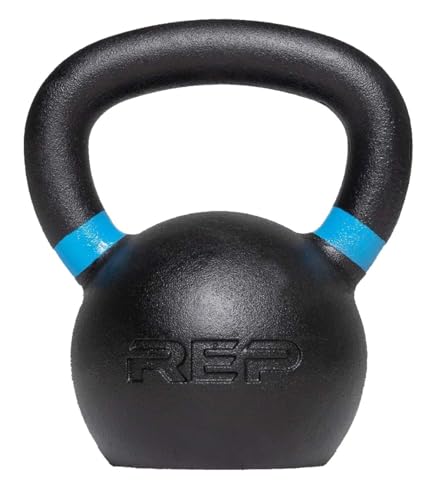
REP Fitness Color-Coded Kettlebell
Color coding follows the same standard used in competition kettlebell sport, useful for gyms running mixed classes with multiple weights in rotation. Powder coating extends to the handle, adding grip during sweaty high-rep sets common in CrossFit-style training. The weight range covers most group class programming without needing to special order.
Pros
- Competition-standard color coding speeds up weight selection in group settings
- Powder coated handle holds grip during high-rep sets
- Weight range covers most class programming needs
Cons
- Heavier bells in the range cost significantly more per pound
- Powder coating texture feels rougher than smooth steel competition bells

CAP Barbell Cast Iron Kettlebell
A solid cast iron build keeps the price down while still holding up to regular garage gym use. The textured handle offers grip without a rubber or vinyl coating adding bulk. Painted enamel finish is the main tradeoff against pricier powder coated options.
Pros
- Lower price point than powder coated kettlebells
- Solid cast iron build handles regular use
- Wide handle offers grip without added bulk
Cons
- Painted finish chips more easily than powder coating over time
- No color coding to identify weight quickly
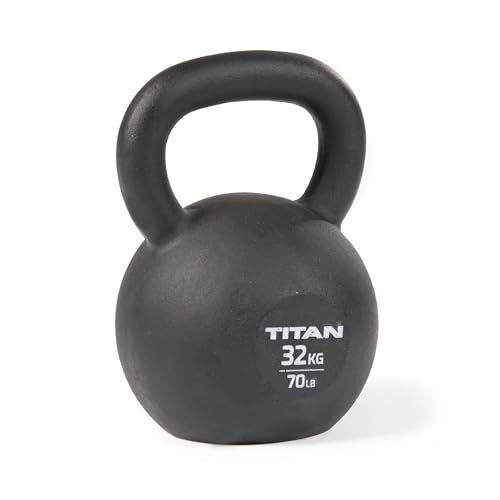
Titan Fitness Cast Iron Kettlebell
A straightforward powder coated cast iron build covers a wide weight range up to 100 lbs, useful for garage gyms planning to progress over years rather than months. The round handle is simple compared to competition-style flat handles. Pricing sits between budget painted bells and premium competition brands.
Pros
- Wide weight range up to 100 lbs in one product line
- Powder coating holds up better than basic paint
- Pricing sits below premium competition brands
Cons
- Round handle lacks the flat competition-style grip some lifters prefer
- Heavier bells require buying each weight separately
Compared at a glance
| # | Model | Material | Best for | Score | Price |
|---|---|---|---|---|---|
| 1 | Rogue Kettlebell | Cast iron, powder coated | Best Overall for Serious Training | 9.3 | Check price |
| 2 | Bowflex SelectTech 840 Adjustable Kettlebell | 8 to 40 lbs in one unit | Best Adjustable for Space Saving | 8.9 | Check price |
| 3 | Kettlebell Kings Powder Coat Competition Kettlebell | Steel, powder coated | Best Grip for Competition-Style Training | 8.8 | Check price |
| 4 | Yes4All Vinyl Coated Kettlebell | Cast iron core, vinyl coating | Best for Beginners | 8.6 | Check price |
| 5 | REP Fitness Color-Coded Kettlebell | Cast iron, powder coated | Best for CrossFit-Style Training | 8.5 | Check price |
| 6 | CAP Barbell Cast Iron Kettlebell | Solid cast iron | Best Budget | 8.3 | Check price |
| 7 | Titan Fitness Cast Iron Kettlebell | Cast iron, powder coated | Best Value for Garage Gyms | 8.2 | Check price |
How to choose
What to look for in a kettlebell Handle shape and width decide how comfortable pressing, swinging and snatching feel over time. Coating matters for durability and floor protection, with powder coat, painted enamel and vinyl each behaving differently. Base stability and the weight range a brand offers round out the real differences between options.
Choosing a weight range for your goals Beginners usually start lighter with a color-coded or vinyl-coated bell like the Yes4All, building form before adding load. Serious lifters working toward garage gym strength need a wide range, often up to 70 or 100 lbs, found in lines like Titan Fitness and Rogue. Adjustable options like the Bowflex SelectTech 840 save space but cap out lower than a full fixed-weight set.
Fixed weight versus adjustable kettlebells The Bowflex SelectTech 840 saves rack space by packing six weights into one dial-adjustable unit, though its handle width stays fixed across settings. Standard cast iron kettlebells grow a slightly thicker handle as weight increases, a detail competition-style bells like Kettlebell Kings avoid by keeping handle diameter consistent across the line. That consistency matters most for lifters practicing technical lifts like snatches.
Grip, coating and durability over time Powder coating, used on Rogue, REP Fitness and Titan Fitness, holds up better long-term than the painted enamel finish on budget bells like CAP Barbell. Vinyl coating on the Yes4All protects floors, a priority for beginners more likely to set bells down roughly. Competition steel handles differ in feel from cast iron, something worth testing in person if a gym allows it before committing to one brand.
Frequently asked questions
What is the difference between a kettlebell and a dumbbell?
A kettlebell’s offset handle and ball-shaped weight let it swing, move overhead and rotate differently than a symmetrical dumbbell.
What weight kettlebell should a beginner start with?
Most beginners start in the 5 to 15 lb range for women and 10 to 20 lb range for men, adjusting based on prior strength training experience.
Do kettlebells need a flat base?
A flat base, found on most of the kettlebells here, keeps the bell stable when set down between exercises or racked at the top of a clean.
What is the difference between competition kettlebells and cast iron kettlebells?
Competition-style bells, like Kettlebell Kings, keep the same handle diameter across all weights, while standard cast iron bells grow thicker handles as weight increases.
Can kettlebells damage floors?
Dropping or setting down cast iron kettlebells roughly can chip flooring over time. Vinyl-coated bells like the Yes4All reduce that risk somewhat.
How many kettlebells does a beginner need?
One or two weights are usually enough to start, adding a heavier bell later as strength and technique improve.
Are adjustable kettlebells as durable as fixed-weight ones?
Adjustable kettlebells like the Bowflex SelectTech 840 use a dial mechanism with more moving parts than a solid cast iron bell, though they are built for regular home use.
What does color coding on a kettlebell mean?
Color coding assigns a specific color to each weight, following a standard many gyms and competitions use so lifters can identify weight at a glance.
Can kettlebells be used for cardio as well as strength?
Yes. Swinging movements with a kettlebell raise heart rate quickly, which is why many kettlebell routines combine strength and cardio in one session.
Our pick
The Rogue Kettlebell is the right pick for lifters building a serious long-term collection, thanks to its dual-width handle and durable coating. Anyone without space for a full rack should choose the Bowflex SelectTech 840 instead. Beginners still learning form fit better with the lighter, color-coded Yes4All Vinyl Coated Kettlebell.
Derek Holt
Derek has a background coaching recreational and amateur athletes and has worked the sales floor at specialty fitness retailers. He focuses on equipment durability, ergonomics and realistic use cases rather than marketing claims.


