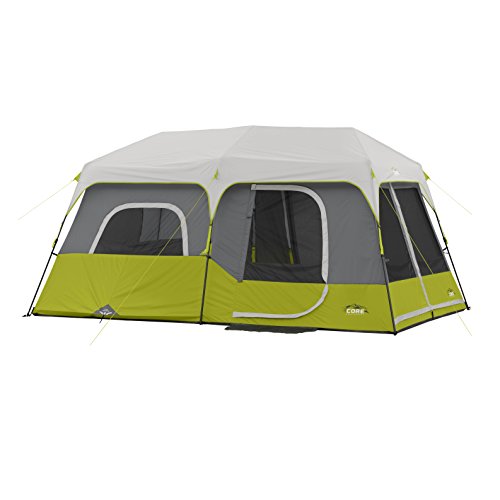
Insulated tents compared: layered, canvas and hot tents
Crua Outdoors Duo is the strongest insulated shelter for two, since its multi-layer inner slows heat loss without any stove. Crua Core 6 applies the same build to six berths. Kodiak Canvas Flex-Bow VX holds warmth through breathable cotton duck and carries snow load that nylon cannot.
Crua Outdoors Duo suits two car campers who want warmth without lighting a stove. Its layered inner slows heat loss and blocks most dawn light, so mornings start later and warmer. Weight is the trade. Packed, the Duo dwarfs a conventional two-person nylon tent and belongs in a boot rather than a backpack.
Three unrelated technologies share the word insulated, which is where buyers go wrong. Layered synthetic shells trap still air between fabric panels. Cotton canvas holds temperature through fabric mass while letting vapour pass. Hot tents stay cold until a wood stove runs inside. We compared fabric construction, published weights, stove jack provision and vent placement, then weighed owner reports about cold-morning condensation.
The best picks, ranked

Crua Outdoors Duo Insulated Tent
Layered fabric slows the conduction that leaves a plain nylon tent matching outside air within minutes. Sound drops noticeably too, which helps beside a road or a busy campground loop. Blackout construction holds the interior dark past sunrise, useful after a night shift or a late arrival.
Pros
- Holds body heat with no stove or heater
- Damps campground noise as well as cold
- Interior stays dark well past dawn
Cons
- Several times the weight of a nylon two-person tent
- Packed bulk fills a car boot
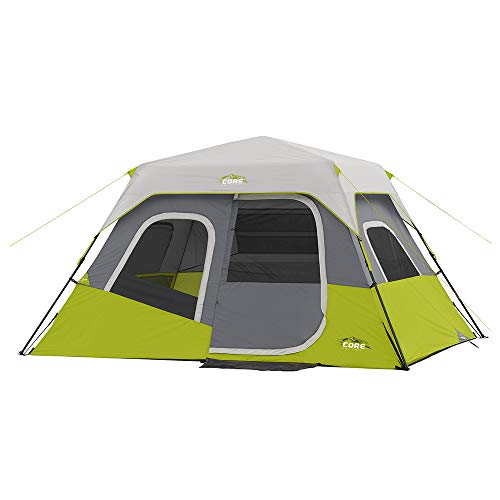
Crua Outdoors Core 6 Insulated Tent
Six berths, standing headroom at the centre, and the same layered inner used on the Duo. Children lose heat faster than adults, so shoulder-season families notice the difference first. Pitching wants two pairs of hands and runs a few minutes longer than a pop-up, mostly because of fabric weight.
Pros
- Keeps children warmer through cold nights
- Dark interior delays dawn wake-ups
- Room dividers split the sleeping areas
Cons
- Two-person pitch because of the fabric weight
- Needs a large flat pitch to tension properly

Kodiak Canvas Flex-Bow VX 6-Person Tent
Hydra-Shield treated cotton duck breathes while shedding rain, so the interior stays drier than coated nylon in cold weather. Steel flex-bow poles tension the walls hard enough to shrug off wind and wet snow. Around 79 pounds makes this vehicle-only kit, and the canvas has to dry fully before storage.
Pros
- Breathable canvas cuts condensation sharply
- Flex-bow frame carries wind and snow load
- Lasts decades when dried and stored properly
Cons
- About 79 pounds and bulky to move
- Mildews if it goes into storage damp

WHITEDUCK Regatta Canvas Bell Tent
Army duck cotton canvas over a single centre pole encloses a large volume that a stove can actually heat. A stove jack option vents a wood burner safely through the wall, so winter nights bring real warmth rather than slower heat loss. Circular geometry costs usable floor, since headroom drops away at the perimeter.
Pros
- Wood stove makes it genuinely warm, not merely warmer
- Large interior volume for a single-pole pitch
- Canvas manages condensation well
Cons
- Headroom falls off around the outer wall
- Canvas weight needs two people to handle

OneTigris ROCDOMUS Hot Tent
Coated synthetic fabric keeps weight low enough to carry a short distance from the car. Warmth comes from the fire rather than the shell, so the interior cools fast once the stove dies down. An awning extends over the entrance, giving somewhere to cook out of the rain.
Pros
- Far lighter than any canvas option here
- Heats quickly once the stove is lit
- Awning adds sheltered cooking space
Cons
- Cools rapidly when the fire burns out
- Synthetic walls collect more condensation than canvas

Coleman Skydome 6-Person Tent with Dark Room
Coleman states its Dark Room fabric blocks around 90 percent of sunlight, which lowers interior temperature through a summer afternoon. Insulation works in both directions, and this pick targets heat rather than cold. Pre-attached poles cut pitch time to minutes, while WeatherTec sealed seams handle ordinary rain.
Pros
- Interior stays cooler through summer mornings
- Pitches far faster than any canvas tent
- One person can carry and set it up
Cons
- Little warmth on genuinely cold nights
- Single-wall sections show condensation
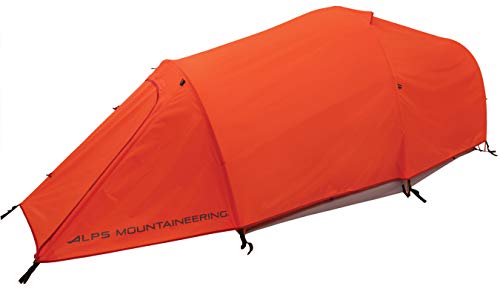
ALPS Mountaineering Tasmanian 2-Person Tent
Wind and snow, not insulation, drove this design. Three aluminium poles hold a low profile in exposed terrain, and a full coverage fly with two vestibules keeps wet gear out of the sleeping area. Fabric is thin, so your bag and pad supply the warmth.
Pros
- Light enough to carry, unlike every other pick here
- Stands up to wind and snow load
- Two vestibules store wet kit outside
Cons
- No insulating layer in the fabric
- Tight interior for two people plus gear
What matters most
How tent insulation actually works Three distinct approaches share the word insulated. Layered synthetic shells, the Crua method, trap still air between fabric panels and slow conduction, so body heat lingers instead of bleeding away in minutes. Cotton canvas works through mass and breathability. It holds temperature more steadily and lets water vapour pass, which is why canvas interiors feel drier at 6am. Hot tents insulate almost nothing on their own and rely on a burning stove. Knowing which category you are buying prevents the usual disappointment: a stove-jack tent that feels freezing without a fire.
Condensation and ventilation in a cold tent Two sleeping adults release a surprising volume of moisture overnight, and in a sealed tent that water lands on the coldest surface. Coated synthetics show it worst, so the ROCDOMUS and Skydome both want vents open even on cold nights. Canvas breathes, which keeps the Kodiak and WHITEDUCK noticeably drier. Never seal a tent completely to chase warmth. Cracking one low vent and one high vent creates slow airflow that carries vapour out while barely moving the temperature.
How to heat a tent safely with a wood stove A wood stove vented through a proper stove jack is the only heating method any of these tents are built for. WHITEDUCK Regatta and OneTigris ROCDOMUS both accept one. Carbon monoxide is what kills campers, and it carries no smell, so a battery alarm belongs in every heated tent. Charcoal, an unrated propane heater and a camp stove all stay outside a closed shelter. Keep a clearance zone around the stove body and a fire-resistant mat underneath it.
Weight, pitching and which tent fits which camper Insulation costs weight every time, so start with how far the tent must travel from the vehicle. Kodiak’s canvas build runs around 79 pounds and belongs within a few steps of a tailgate. Crua’s insulated models weigh less than canvas yet remain firmly car-camping gear. Only the ALPS Tasmanian packs small enough for a backpack, and it gives up insulation to get there. Campers whose real enemy is summer heat should skip this category and take the Coleman Skydome Dark Room instead.
How they compare
| # | Model | Capacity | Best for | Score | Price |
|---|---|---|---|---|---|
| 1 | Crua Outdoors Duo Insulated Tent | 2 people | Best overall | 9.4 | Check price |
| 2 | Crua Outdoors Core 6 Insulated Tent | 6 people | Best for families | 9.2 | Check price |
| 3 | Kodiak Canvas Flex-Bow VX 6-Person Tent | Hydra-Shield 100 percent cotton duck canvas | Best canvas tent | 9.0 | Check price |
| 4 | WHITEDUCK Regatta Canvas Bell Tent | Army duck cotton canvas | Best for stove heating | 8.8 | Check price |
| 5 | OneTigris ROCDOMUS Hot Tent | Coated synthetic, lightweight | Best lightweight hot tent | 8.6 | Check price |
| 6 | Coleman Skydome 6-Person Tent with Dark Room | 6 people | Best for hot weather | 8.3 | Check price |
| 7 | ALPS Mountaineering Tasmanian 2-Person Tent | 2 people | Best four-season backpacking | 8.0 | Check price |
Questions worth asking
Do insulated tents keep you warm without a heater?
Layered builds such as the Crua Duo hold body heat far longer than single-wall nylon, so the interior sits measurably above ambient. They slow heat loss rather than create warmth. Pair one with a bag rated for the night temperature.
What is a hot tent?
A hot tent carries a heat-resistant port, the stove jack, letting a wood stove chimney pass through the wall safely. Insulation may be absent entirely. Warmth arrives from the fire and fades once the last log burns down.
Is canvas warmer than nylon?
Canvas holds temperature more steadily and breathes, so condensation stays lower and mornings feel less clammy. It is also many times heavier. Kodiak’s Flex-Bow VX runs about 79 pounds, the real cost of that comfort.
Can you use a propane heater inside a tent?
Only a heater explicitly rated for tent or indoor use, and only with active ventilation plus a carbon monoxide alarm. Unvented combustion inside a closed shelter causes the most common serious camping accidents. A stove vented through a jack is safer.
How do you stop condensation in a cold tent?
Open a low vent and a high vent to start airflow. Keep damp clothing in a vestibule rather than beside you, and cook outside the sleeping area. Canvas handles this naturally, while coated synthetic walls need deliberate venting.
Which insulated tent is best for winter camping with a stove?
WHITEDUCK Regatta, since its volume and breathable canvas suit sustained stove heat. Campers who must carry the shelter any distance should take the OneTigris ROCDOMUS and accept faster heat loss between refuels.
Are insulated tents any good in summer?
Layers that slow heat escaping also slow it entering, so mornings stay cooler and darker inside. For pure summer heat management, Coleman’s Dark Room fabric, stated to block around 90 percent of sunlight, does more per pound.
How heavy are insulated tents compared with regular tents?
Budget several times the weight of a comparable nylon tent. That alone rules out backpacking for every insulated pick here. Walking any distance points you to a four-season design like the ALPS Tasmanian plus a warmer bag.
Can you backpack with an insulated tent?
Not realistically. Crua’s layered models and both canvas tents are built around vehicle access, and 79 pounds of cotton duck ends the conversation. Backpackers gain more warmth per pound from a better sleeping bag and pad.
Do insulated tents need a groundsheet underneath?
A footprint protects the floor from grit and sharp stones, extending its life. Cold ground also pulls heat faster than cold air, so an insulated sleeping pad under you matters more overnight than anything beneath the tent.
The verdict
Crua Outdoors Duo earns the buy for two car campers chasing a warmer, darker, quieter night with no stove to tend. Families should move up to the Core 6, which spreads the same layered inner across six berths and keeps children off the cold end of the night. Real winter camping with a wood burner points elsewhere: take the WHITEDUCK Regatta bell tent, and fit a carbon monoxide alarm before the first fire.
Derek Holt
Derek has a background coaching recreational and amateur athletes and has worked the sales floor at specialty fitness retailers. He focuses on equipment durability, ergonomics and realistic use cases rather than marketing claims.