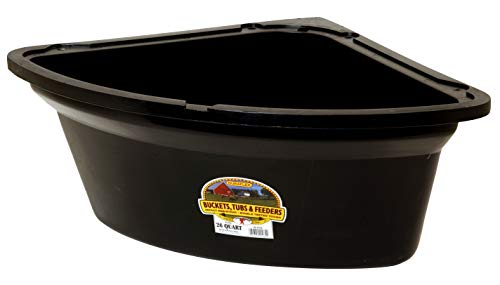
Which Horse Watering Accessories Save You Time?
Farm Innovators HB-60P heated bucket wins for stall use in freezing weather thanks to its thermostat control. The Little Giant FB160 covers everyday needs at low cost, and the API FL-1000 floating de-icer keeps a shared stock tank open all winter without heating the whole trough.
Stalls in cold climates do best with the Farm Innovators HB-60P heated flat back bucket, which saves the most labor over a winter. Everyday barns without freezing concerns are well served by the Little Giant FB160, a sensible plastic workhorse. Shared stock tanks stay drinkable all winter with the API FL-1000 floating de-icer, without heating the whole trough.
Watering gear fails seasonally in ways that are easy to miss until winter arrives. A bucket fine in September can split once the water inside freezes solid, and a cheap de-icer might trip a breaker on a wet night. We compared seven widely sold products on capacity, element and cord protection, mounting method, material thickness, and what barn owners report after a full winter of daily use.
Before you buy
How to size up your freeze problem Where the water sits determines which accessory solves your freeze problem. Stall buckets in a barn near freezing point call for a thermostat controlled option like the Farm Innovators HB-60P. Shared outdoor stock tanks need a different fix, and a floating de-icer such as the API FL-1000 keeps a drinking hole open more efficiently than warming the whole volume. Insulated walls, like those on the Rubbermaid structural foam tank, reduce how hard either device has to work.
Cord and electrical safety around horses Every heated product here runs a cord into a wet environment with an animal that chews and paws at things. Plug into a GFCI protected outlet without exception. Route cords out of reach through conduit or an anti chew sleeve, and inspect the insulation before each cold season starts. A cord nicked over summer is the most common cause of a de-icer failing or tripping a breaker in January.
Matching capacity to how much a horse drinks An adult horse typically drinks five to ten gallons daily, more during heat or on a dry hay diet. Oversizing a trough for a small group lets water sit long enough to go stale and grow algae, which discourages drinking. Running a tank you empty and refill every couple of days beats one huge tank that never turns over, unless a float valve keeps fresh water flowing continuously.
Choosing bucket material for how it ages Rigid polyethylene buckets like the Little Giant FB160 are cheap, light and simple to clean, but they crack when ice expands inside them. Flexible rubber blends such as Fortiflex tolerate both kicks and frozen contents, at the cost of extra weight. UV stabilized poly is the baseline for tanks, and structural foam is the upgrade. Smooth interiors without sharp corners make daily scrubbing quick enough that owners actually do it.
The top picks, ranked

Farm Innovators HB-60P Heated Flat-Back Bucket
A concealed 60 watt element only runs near freezing, thanks to a built in thermostat. Most barns standardize on this bucket for winter stalls because it does not waste power on mild days. The flat back sits flush against a stall wall, and the cord runs through an anti chew protector.
Pros
- Thermostat means it only heats when needed
- Flat back mounts flush to stall walls
- Concealed element is easy to scrub around
Cons
- Needs a nearby GFCI outlet in every stall
- Cord protection still requires sensible routing

API FL-1000 Floating Pond and Stock Tank De-Icer
Instead of heating an entire trough, this floating de-icer keeps one opening in the ice open. Thermostat control means it cycles rather than running nonstop, which saves power. Owners report reliable performance in deep cold, though guidance warns against dry operation or unapproved plastic tanks.
Pros
- Keeps large tanks open in hard freezes
- Moves between tanks easily
- Cycles off automatically above freezing
Cons
- High wattage needs a properly rated circuit
- Must be checked for damage before each season

Little Giant FB160 Flat Back Plastic Bucket
This sixteen quart flat back bucket hangs in barns everywhere, and the design has barely changed for a reason. Molded polyethylene walls take daily knocks without denting, and the flat side stops it swinging against the wall. A reinforced metal bail handles a double end snap without bending.
Pros
- Inexpensive enough to buy several
- Flat back reduces swinging and spills
- Smooth interior is quick to scrub
Cons
- No freeze protection at all
- Can crack if left full through a hard freeze

Fortiflex Flat Back Bucket
Flexible rubber and polymer construction lets this bucket deform under a kick and spring back, rather than crack. Frozen contents knock free by flipping the bucket and stepping on it, a real advantage without heated water. Owners report it survives rough handling better than rigid plastic, at the cost of extra weight.
Pros
- Flexes instead of cracking when kicked
- Ice knocks out without damaging the bucket
- Stays pliable in very cold weather
Cons
- Noticeably heavier when full
- Rubber can hold odours if not scrubbed
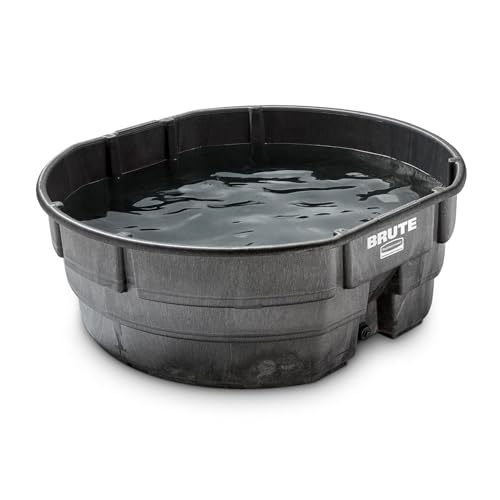
Rubbermaid Commercial Structural Foam Stock Tank, 150 Gallon
Structural foam walls insulate this tank better than thin poly troughs, slowing freezing in winter and keeping water cooler in summer. A molded drain plug turns emptying into a one person job instead of a tipping exercise. At 150 gallons, expect to position it once and leave it there.
Pros
- Foam walls slow both freezing and warming
- Built in drain simplifies cleaning
- Holds shape better than thin poly tanks
Cons
- Too heavy to reposition once filled
- Still needs a de-icer in a hard winter
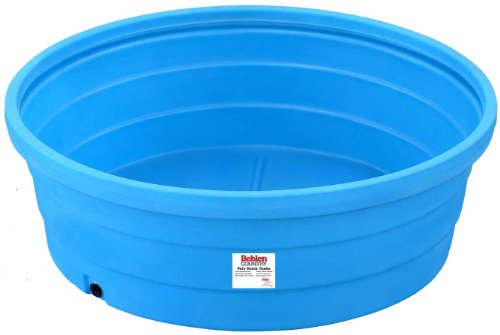
Behlen Country Poly Round Stock Tank
Thick sidewalls and a rolled rim resist cracking when a horse leans against this pasture tank. Several capacity options let owners match tank size to herd size instead of overfilling a trough that goes stale. UV stabilized polyethylene holds up in direct sun, and a smooth interior resists algae buildup in corners.
Pros
- Thick walls handle leaning and knocks
- Round shape is easy to scrub out
- Available in several capacities
Cons
- No insulation, freezes faster than foam tanks
- Light enough to shift when nearly empty
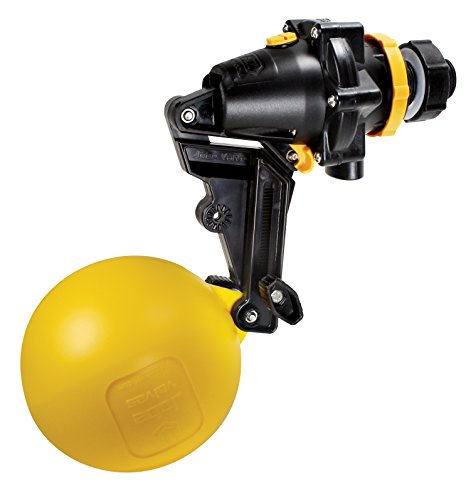
Jobe Valves Stock Tank Float Valve
A float valve turns any trough into a self filling one, removing the daily hose routine entirely. This model uses a float and lever mechanism with a threaded inlet that fits standard hose plumbing. Setting the water level right takes a few tries, and a protective cover keeps curious horses from playing with the float.
Pros
- Keeps tanks topped up without daily filling
- Simple mechanism with few failure points
- Fits common trough plumbing
Cons
- Needs a guard or horses will play with it
- Supply line must be drained or heated in winter
Side by side
| # | Model | Capacity | Best for | Score | Price |
|---|---|---|---|---|---|
| 1 | Farm Innovators HB-60P Heated Flat-Back Bucket | 5 gallons | Best overall | 9.4 | Check price |
| 2 | API FL-1000 Floating Pond and Stock Tank De-Icer | 1000 watts | Best for stock tanks | 9.2 | Check price |
| 3 | Little Giant FB160 Flat Back Plastic Bucket | 16 quarts | Best value | 9.0 | Check price |
| 4 | Fortiflex Flat Back Bucket | 20 quarts | Best for durability | 8.8 | Check price |
| 5 | Rubbermaid Commercial Structural Foam Stock Tank, 150 Gallon | 150 gallons | Best large capacity | 8.6 | Check price |
| 6 | Behlen Country Poly Round Stock Tank | UV stabilised polyethylene | Best for pasture use | 8.3 | Check price |
| 7 | Jobe Valves Stock Tank Float Valve | Mechanical float valve | Best for automatic refilling | 8.0 | Check price |
Questions worth asking
How much water does a horse drink per day?
Most adult horses drink five to ten gallons daily. Hot weather, heavy work or a dry hay diet push that number higher. Lactating mares drink noticeably more. Size buckets and tanks toward the upper end of that range for a safety margin.
Are heated buckets safe to leave on all winter?
Thermostat controlled buckets such as the Farm Innovators HB-60P are built for continuous seasonal use and draw power mainly near freezing. Safety comes down to installation rather than the bucket itself. Use a GFCI outlet, protect the cord from chewing, and check for cracks or exposed wire before each season.
Will a stock tank de-icer work in a plastic tank?
Check the specific product guidance, since answers vary by model. Floating de-icers are usually safer for poly tanks because the element stays off the tank wall. Submersible sinking heaters can rest against plastic and damage it. Never run any de-icer dry.
How often should horse water buckets be scrubbed?
Daily rinsing plus a proper scrub every two to three days is standard barn practice. Biofilm builds quickly in warm weather, and horses drink less from a slimy bucket. Stock tanks need emptying and scrubbing every one to two weeks in summer, less often once cold weather slows algae growth.
Do float valves work in freezing weather?
The valve mechanism itself holds up fine in cold weather. Its supply line is the weak point, since an unburied or unheated line will freeze and can split. Many barns run float valves seasonally and switch to hand filling once hard frosts set in.
What wattage de-icer is right for a stock tank?
A 1000 watt thermostatically controlled unit, like the API FL-1000, suits most horse sized tanks. Larger tanks in severe climates sometimes need more power, and small tanks need less. The circuit must be properly rated and GFCI protected regardless of wattage.
How high should a water bucket hang in a stall?
Chest height for the horse is the general rule, so bedding and manure stay out and the horse does not reach up awkwardly. Lower the bucket for ponies and foals. Flat back buckets sit closer to the wall, reducing the chance of a halter or blanket catching.
Is it better to use several buckets or one large tank?
Two buckets per horse in a stall gives a safety margin if one gets knocked over or fouled overnight. In turnout, one tank per small group works well if there is room for lower ranked horses to drink without being chased off. Larger herds often need a second water point.
Our pick
For cold climate stalls, the Farm Innovators HB-60P heated flat back bucket removes the most work from a winter routine, and most barns notice the difference immediately. Pairing an insulated tank with the API FL-1000 floating de-icer keeps a whole group watered outdoors without hauling buckets by hand. Mild winters are covered well by the Little Giant FB160 and a Jobe float valve, for far less outlay.
Olivia Hartley
Olivia spent several years working at an animal shelter and a pet-supply retailer before joining the editorial team. She researches pet gear with an emphasis on safety, comfort and the fine print that owners often miss.