Heavy Duty Tool Belts That Can Take a Beating
The Dickies Temporary Work Belt is our top pick for heavy duty use because it combines a rugged 1680 Denier ballistic weave with a padded inner liner, offering both durability and comfort for all-day wear. Its main advantage is the exceptional weight distribution that reduces hip strain, but it lacks a dedicated tape measure holder, which some tradespeople might miss.
A heavy duty tool belt is more than a pouch for screws and nails. It must survive daily abuse, support heavy loads without sagging, and keep tools within reach. The right belt can make a long workday easier on your back and hips.
We analyzed specifications and owner reports for top-rated belts from trusted brands. Our selection covers electricians, carpenters, and general contractors. Each belt excels in specific areas, so you can choose based on your trade and personal preference.
How to pick the right one
What we recommend
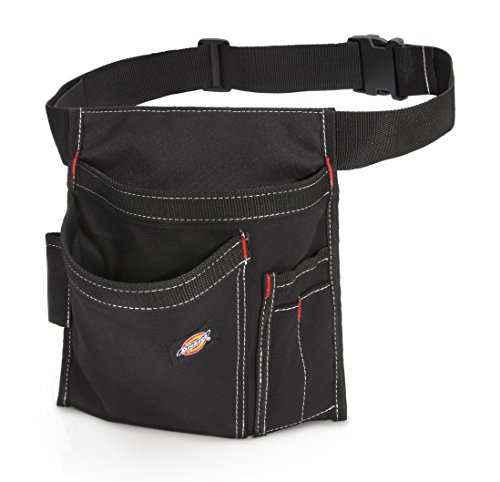
Dickies Temporary Work Belt
This belt is built with a heavy duty 1680 Denier ballistic weave and a padded inner liner for comfort. It features 13 pockets and loops, including a hammer holder, and is designed to distribute weight evenly. Owners report it holds up well on demanding job sites.
Pros
- Excellent weight distribution
- Durable and long-lasting material
- Comfortable padded liner
Cons
- No dedicated tape measure holder
- Belt may run large for smaller waists

Klein Tools 5720 Electrician’s Apron
Klein Tools is a trusted name for electricians. This apron-style belt offers multiple pockets and holders specifically designed for electrical work. It is made from heavy duty leather and canvas, ensuring it can handle the rigors of the trade.
Pros
- Purpose-built for electricians
- High quality materials
- Suspenders reduce hip strain
Cons
- Apron style may not suit everyone
- Heavier than some belts

Carpenter’s Tool Belt by CLC Custom LeatherCraft 1602
CLC’s carpenter belt is a favorite among framers and carpenters. It features a padded 3-inch wide belt with a quick-release buckle and 21 pockets and holders. The leather and nylon construction offers a balance of durability and flexibility.
Pros
- Numerous pockets for organization
- Padded belt for comfort
- Durable construction
Cons
- May be bulky for some users
- Nylon stitching can wear over time
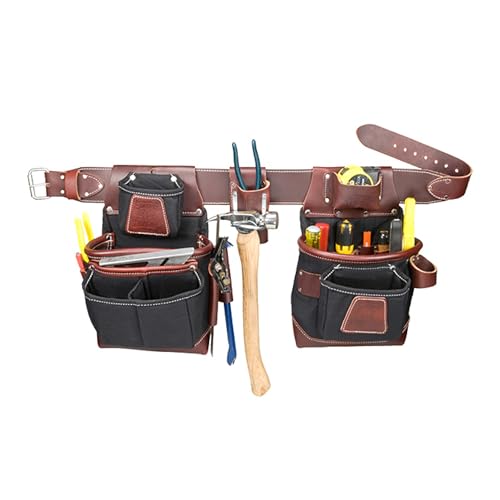
Occidental Leather 8085 Carpenter’s Belt
Occidental Leather is renowned for top-tier quality. This belt is handcrafted from full-grain leather and features a padded liner and multiple pockets. It is a favorite among professionals who demand the best.
Pros
- Superior craftsmanship
- Ages beautifully with use
- Excellent support for heavy loads
Cons
- Higher price point
- Requires breaking in
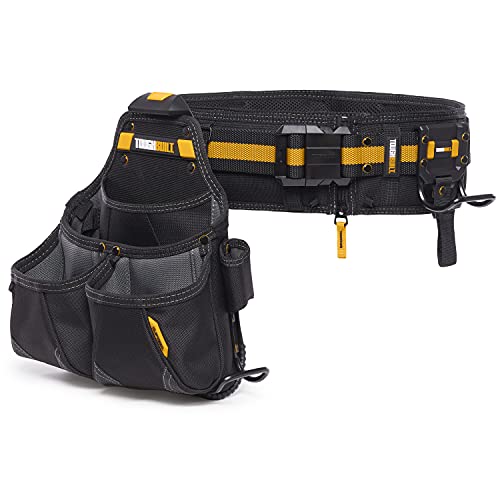
Eastman Pro Series Heavy Duty Tool Belt
Eastman Pro offers a budget-friendly belt without sacrificing durability. It features multiple pockets, a padded waist belt, and a sturdy construction of polyester and leather. It is a solid choice for DIYers and professionals on a budget.
Pros
- Affordable price
- Plenty of storage
- Comfortable padding
Cons
- Less durable than premium brands
- May not withstand extreme abuse

DEWALT DG5124 18-Pocket Tool Belt
DEWALT’s tool belt is designed for framing and general construction. It offers 18 pockets and holders, including a specialized hammer loop and tape measure holder. The belt is padded and made from heavy duty polyester.
Pros
- Tape measure holder included
- Good pocket layout
- Brand reliability
Cons
- Padding may compress over time
- Not as rugged as leather

Husky 25-Pocket Tool Belt with Suspenders
Husky’s tool belt comes with suspenders for added support. It has 25 pockets and loops, making it one of the most spacious options. The padded belt and suspenders help distribute weight, reducing back strain.
Pros
- Large storage capacity
- Suspenders for weight distribution
- Adjustable for various sizes
Cons
- May be too bulky for tight spaces
- Suspenders can get in the way
How they stack up
| # | Model | Material | Best for | Score | Price |
|---|---|---|---|---|---|
| 1 | Dickies Temporary Work Belt | 1680 Denier ballistic weave | Best Overall | 9.4 | Check price |
| 2 | Klein Tools 5720 Electrician’s Apron | Leather and canvas | Best for Electricians | 9.2 | Check price |
| 3 | Carpenter’s Tool Belt by CLC Custom LeatherCraft 1602 | Leather and nylon | Best for Carpenters | 9.0 | Check price |
| 4 | Occidental Leather 8085 Carpenter’s Belt | Full-grain leather | Best Leather Option | 9.1 | Check price |
| 5 | Eastman Pro Series Heavy Duty Tool Belt | Polyester and leather | Best Value | 8.8 | Check price |
| 6 | DEWALT DG5124 18-Pocket Tool Belt | Heavy duty polyester | Best for Framing | 8.9 | Check price |
| 7 | Husky 25-Pocket Tool Belt with Suspenders | Nylon and polyester | Best with Suspenders | 8.7 | Check price |
Common questions
What is the best material for a heavy duty tool belt?
Leather is traditional and offers excellent durability, but it is heavier and requires conditioning. Ballistic nylon and heavy duty polyester are lighter, resist water, and are easier to clean. Many modern belts combine leather with synthetic materials for a balance of durability and comfort.
How do I know which size tool belt to buy?
Most tool belts are adjustable and come in a range, such as 30 to 46 inches. Measure your waist at the point where you normally wear the belt. Ensure the belt can tighten enough for a snug fit but also has room for layering in colder months. Some belts offer extra extenders.
Can I use a tool belt if I have back problems?
A heavy tool belt can worsen back pain if not fitted properly. Look for a belt with a wide padded liner and consider one with suspenders to distribute weight. Keep the load balanced. If you have chronic back issues, consult a medical professional. Some belts are ergonomically designed to reduce strain.
How many pockets do I need in a tool belt?
The number of pockets depends on your trade. Electricians might need 10 to 15 pockets for various tools. Carpenters often require more, up to 20 or more, for nails, screws, and different tools. Too many pockets can make the belt bulky. Prioritize the tools you use most frequently.
Are suspenders worth it on a tool belt?
Suspenders are beneficial for heavy loads. They transfer some weight from your hips to your shoulders, which can reduce lower back fatigue. They also help keep the belt in place. However, suspenders can be restrictive and may snag on objects. They are optional on many belts.
How do I clean and maintain a leather tool belt?
Wipe off dirt with a dry cloth. Use a leather conditioner or saddle soap every few months to keep the leather supple. Avoid soaking the belt. Allow it to dry naturally away from direct heat. Check the stitching and replace any loose threads promptly.
Can I add extra pouches to my tool belt?
Many tool belts have loops or slots that allow you to attach additional pouches. You can purchase separate pouches from the same brand or universal ones. Check compatibility before buying. Customizing your belt can improve efficiency, but do not overload it beyond its capacity.
What is the average lifespan of a heavy duty tool belt?
With regular use, a high quality leather belt can last several years, even a decade if maintained. Synthetic belts might last 2 to 5 years depending on the material and conditions. Inspect your belt regularly for wear and replace it when it no longer provides secure support.
Final word
If you need a belt that balances durability, comfort, and practicality, go with the Dickies Temporary Work Belt. It offers the best overall package for most trades. For electricians, the Klein Tools 5720 is a specialized choice. If you prefer leather and are willing to invest, the Occidental Leather 8085 is unmatched in quality. Ultimately, choose the belt that fits your specific daily tasks and body comfort.
Jake Monroe
Jake worked as a residential contractor for over a decade before shifting to full-time writing. He evaluates power tools, hand tools and workshop gear through the lens of someone who has actually used them on job sites, not just read the box.