Heavy Duty String Trimmers That Tackle Tough Brush
For most homeowners facing overgrown lots or tough weeds, the Husqvarna 128LD stands out as the best heavy-duty string trimmer. It combines a powerful 28cc engine with a solid shaft and easy starting, making it ideal for clearing dense vegetation without the bulk of a commercial unit. Its main limitation is that it lacks a quick-change head, so swapping attachments takes more time.
String trimmers earn their keep when they fire up instantly, cut through waist-high weeds, and don’t vibrate your hands numb. Heavy-duty models go beyond basic edging, delivering the torque and robust construction to tackle overgrown areas and rough terrain. This guide compares seven top-rated trimmers that owners report using for demanding jobs.
We considered gas and battery options, weighing runtime, maintenance, and noise. We looked at shaft types, handle designs, and cutting swath to pinpoint which models offer the best balance of power and control. Whether you maintain a large property or a ranch, these machines are built for serious work.
What we recommend

Husqvarna 128LD
The Husqvarna 128LD is a workhorse that owners report starts easily and powers through thick grass and weeds. Its 28cc engine delivers reliable torque, and the straight shaft makes it easy to reach under fences and along edges. The adjustable handle and vibration damping system reduce fatigue during long sessions.
Pros
- Easy start technology
- Low vibration
- Strong engine for its class
Cons
- No quick-change head
- Requires mixed fuel
ECHO SRM-225
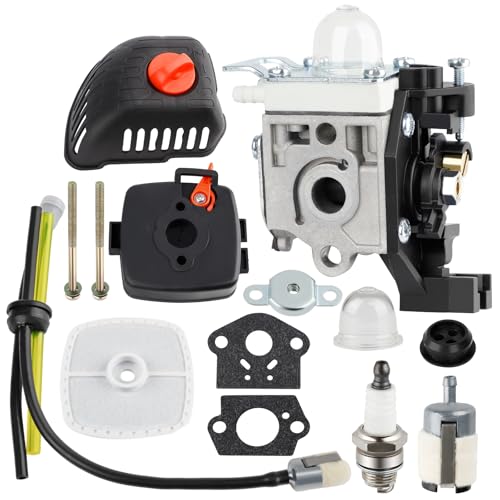
The ECHO SRM-225 is a favorite among landscapers and homeowners who demand commercial-like performance. Its 21.2cc engine is surprisingly potent, and the Speed-Feed head allows quick line reload without tools. The shaft is sturdy, and the overall build feels solid, with owners reporting years of trouble-free service.
Pros
- Tool-less line loading
- Dependable starting
- Commercial grade components
Cons
- Heavier than some
- Smaller engine than others

STIHL FS 56 RC-E
STIHL’s FS 56 RC-E is designed with a loop handle and low vibration, making it comfortable for extended trimming. The 27.2cc engine provides ample power for dense growth, and the Easy2Start system reduces pull effort. Owners appreciate the well-balanced design that minimizes fatigue.
Pros
- Low vibration handle
- Easy2Start
- Balanced weight distribution
Cons
- Narrower cut width
- Premium price

DEWALT DCST972X1
This 60V MAX trimmer from DEWALT cuts like a gas model, according to many user reviews. It features a brushless motor, a 15-inch cutting swath, and dual line feed. The variable speed trigger and high torque settings let you match power to the job, and the battery runtime is decent for a cordless.
Pros
- No gas or mixing
- Low maintenance
- Powerful brushless motor
Cons
- Battery and charger add cost
- Runtime limited

BLACK+DECKER LSTE525
A 40V lithium ion trimmer that offers surprising power for its light weight. It has a 13-inch cutting width and an automatic feed spool. Owners report it handles typical yard weeds well, and the battery lasts enough for a standard lot. It is not for heavy brush but is a strong alternative to gas for many.
Pros
- Lightweight
- Affordable
- Automatic feed
Cons
- Not for very thick brush
- Battery life moderate
Craftsman V60 CMEST920
The Craftsman V60 is a 25cc gas trimmer that delivers dependable power at a lower price point. It has a straight shaft, a 17-inch cutting path, and an Easy Line refill system. Users say it starts reliably and cuts through weeds without stalling, though it vibrates a bit more than premium models.
Pros
- Low price for gas
- Wide cut
- Reliable starting
Cons
- More vibration
- Noisier operation

Makita XRU15PT1
Makita’s 18V LXT trimmer uses two 5Ah batteries for extended runtime, making it a viable alternative for commercial users. It features an active feedback sensing technology that shuts off if the tool binds. The cutting width is 15 inches, and it has a brushless motor for efficiency.
Pros
- Long runtime
- Protection against kickback
- Professional build
Cons
- Expensive
- Heavier due to dual batteries
Compared at a glance
| # | Model | Engine | Best for | Score | Price |
|---|---|---|---|---|---|
| 1 | Husqvarna 128LD | 28cc X-Torq | Overall heavy duty gas performance | 9.4 | Check price |
| 2 | ECHO SRM-225 | 21.2cc | Professional grade durability | 9.2 | Check price |
| 3 | STIHL FS 56 RC-E | 27.2cc | Ergonomic handling and balance | 9.0 | Check price |
| 4 | DEWALT DCST972X1 | 60V brushless | Cordless convenience with power | 8.9 | Check price |
| 5 | BLACK+DECKER LSTE525 | 40V | Lightweight battery option for moderate jobs | 8.6 | Check price |
| 6 | Craftsman V60 CMEST920 | 25cc 2-cycle | Budget friendly gas performance | 8.4 | Check price |
| 7 | Makita XRU15PT1 | 18V LXT (2 batteries) | Long runtime battery professional | 8.2 | Check price |
How to choose
Frequently asked questions
What makes a string trimmer ‘heavy duty’?
Heavy duty trimmers have larger engines (25cc or more) or high voltage battery systems, durable shafts, and a wide cutting swath. They are designed for frequent use and tackling thick weeds, briars, and overgrown grass. They often have commercial grade components and come with longer warranties.
Can I use a battery trimmer for heavy brush?
Yes, but only if it is a high voltage model like 60V or 80V, or uses dual batteries. These provide enough torque to cut through thick growth. However, battery runtime may be limited, and for large areas you might need extra batteries. Gas trimmers still offer unlimited runtime as long as you have fuel.
How do I choose between a curved and straight shaft?
Straight shafts are better for reaching under decks, fences, and for clearing tall weeds. They also tend to be more powerful. Curved shafts are lighter and easier to use for edging along sidewalks, but they may lack the reach and torque for tough jobs. For heavy duty work, choose a straight shaft.
What is the best line size for heavy duty trimming?
Heavy duty trimmers often use 0.095 inch or 0.105 inch line. Thicker line is more resistant to breaking and can cut through tougher vegetation. Check your trimmer’s specifications to see what line size it recommends. Using too thick line can strain the engine.
How often should I replace the string?
It depends on how much you use the trimmer and what you are cutting. Contact with hard surfaces like concrete or rocks will wear the line quickly. You may need to advance or replace line every few minutes when trimming along curbs. Bump feed heads allow you to tap the head to release more line.
Are gas trimmers hard to maintain?
Gas trimmers require mixing oil and fuel, and you need to keep the air filter and spark plug clean. If you use ethanol free fuel and stabilize it, maintenance is minimal. Battery trimmers eliminate these tasks but require battery care and periodic charging.
What safety gear should I wear when using a heavy duty trimmer?
Always wear safety glasses, long pants, sturdy boots, and hearing protection. Heavy duty trimmers can throw debris at high speed. Gloves and a face shield are also recommended. Be aware of your surroundings and keep bystanders at a safe distance.
Can I use a brush cutter blade on these trimmers?
Many heavy duty trimmers are compatible with brush cutter blades, but you must check the manufacturer’s recommendations. Using a blade requires a different guard and often a harness for safety. Only use attachments specifically approved for your model.
Our pick
For most people with tough trimming needs, the Husqvarna 128LD offers the best combination of power, comfort, and reliability. If you prefer cordless convenience, the DEWALT DCST972X1 is a top pick, provided you have multiple batteries. Avoid battery models if you have acres of thick brush, as runtime will be a limitation.
Sierra Daniels
Sierra's background is in landscape design and nursery retail. She focuses on lawn and garden equipment, outdoor furniture and gear durability, weighing published specs against how materials actually hold up outside.


