Heavy Duty Pipe Fittings That Hold Up Under Pressure
For most heavy duty jobs, the Dixon Valve 3 4 In. Black Malleable Iron Pipe Fitting stands out with its superior burst strength and rust resistant finish, but it requires careful thread sealing to prevent leaks.
Choosing the right pipe fitting can mean the difference between a secure system and a costly leak. Heavy duty fittings must withstand high pressure, temperature swings, and corrosive environments.
We analyzed specifications and user reports to find the most reliable options. Our guide covers black iron, galvanized steel, brass, and stainless steel fittings for various applications.
Our top picks
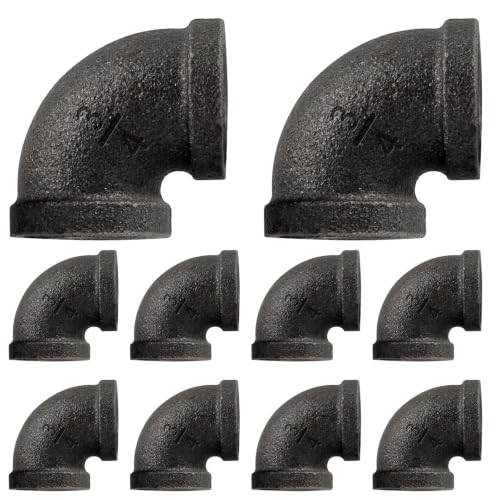
Dixon Valve 3/4 In. Black Malleable Iron Pipe Fitting
This malleable iron fitting offers excellent strength and durability. Its black finish resists corrosion, and it meets ASTM A197 standards. Users report it handles high pressure without failure, though it requires thread sealant for a leak free joint.
Pros
- Exceptional burst strength
- Uniform threads for tight seal
- Rust resistant coating
Cons
- Requires thread sealant
- Heavier than plastic alternatives

Mueller Proline 1 In. Galvanized Steel Pipe Nipple
Galvanized steel provides reliable corrosion protection for outdoor and wet environments. This nipple has precise threads and a smooth interior for good flow. Homeowners and plumbers trust it for garden and irrigation systems.
Pros
- Excellent corrosion resistance
- Strong and durable
- Easy to install with wrench
Cons
- Can react with copper pipes
- Prone to mineral buildup over time

Anderson Metals 1/2 In. Brass Pipe Fitting
Brass fittings offer a great balance of strength and corrosion resistance. This lead free brass fitting is safe for drinking water and withstands high temperatures. Its precise machining ensures a secure connection.
Pros
- Safe for potable water
- High temperature tolerance
- Does not rust
Cons
- Softer than steel
- More expensive than steel

Southland Pipe 3/4 In. Schedule 40 PVC Fitting
PVC fittings are lightweight and resist chemicals and corrosion. This schedule 40 fitting is ideal for drainage and irrigation. It is easy to install with solvent cement, making it a favorite for DIY projects.
Pros
- Chemical resistant
- Lightweight and easy to handle
- Low cost
Cons
- Not for hot water above 140 F
- Can become brittle in cold temperatures

HFS (R) Stainless Steel 1/2 In. NPT Hex Nipple
Stainless steel offers superior strength and corrosion resistance. This 304 stainless nipple is perfect for marine, chemical, and food processing applications. Its smooth finish prevents bacterial growth.
Pros
- Outstanding rust resistance
- High tensile strength
- Suitable for sanitary applications
Cons
- Hard to source locally
- Can gall threads if not lubricated
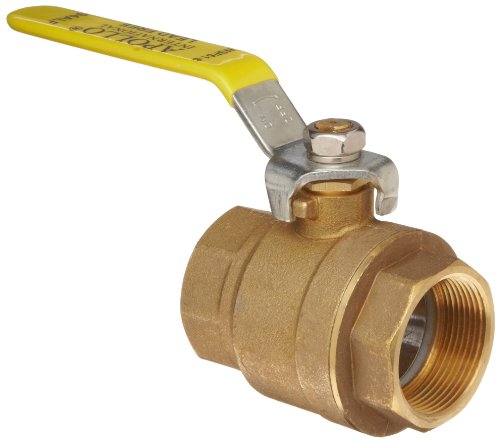
Apollo 3/4 In. Lead Free Brass Ball Valve
This ball valve provides reliable on off control for heavy duty piping. Its lead free brass construction meets plumbing codes. The lever handle makes operation easy, and it offers a full port for minimal pressure drop.
Pros
- Reliable shut off
- Full port design
- Easy to operate lever handle
Cons
- May leak if over tightened
- Handle can be accidentally turned

Everbilt 1 In. Malleable Iron Floor Flange
This floor flange connects pipes to flat surfaces for structural support. Made of durable malleable iron, it provides a stable mount for handrails or machinery. Its pre drilled holes allow for easy mounting.
Pros
- Strong and stable
- Pre drilled for easy installation
- Corrosion resistant coating
Cons
- Only for low pressure applications
- Bulky design
What matters most
How they compare
| # | Model | Material | Best for | Score | Price |
|---|---|---|---|---|---|
| 1 | Dixon Valve 3/4 In. Black Malleable Iron Pipe Fitting | Malleable iron | Best for high pressure gas and oil lines | 9.4 | Check price |
| 2 | Mueller Proline 1 In. Galvanized Steel Pipe Nipple | Galvanized steel | Best for outdoor water systems | 9.1 | Check price |
| 3 | Anderson Metals 1/2 In. Brass Pipe Fitting | Lead free brass | Best for potable water and plumbing | 9.0 | Check price |
| 4 | Southland Pipe 3/4 In. Schedule 40 PVC Fitting | PVC | Best for chemical resistant applications | 8.8 | Check price |
| 5 | HFS (R) Stainless Steel 1/2 In. NPT Hex Nipple | 304 Stainless Steel | Best for corrosive environments | 8.7 | Check price |
| 6 | Apollo 3/4 In. Lead Free Brass Ball Valve | Lead free brass | Best for shut off valves | 9.2 | Check price |
| 7 | Everbilt 1 In. Malleable Iron Floor Flange | Malleable iron | Best for structural support | 8.5 | Check price |
Frequently asked questions
What is the strongest type of pipe fitting?
Stainless steel fittings are generally the strongest and most corrosion resistant. They can handle high pressure and extreme temperatures. However, malleable iron is also very strong and often used in gas lines. The best choice depends on your specific application.
Can I use galvanized fittings for natural gas?
No, galvanized fittings should not be used for natural gas. The zinc coating can flake off and clog orifices. Use black iron or malleable iron fittings for gas lines, as they are specifically rated for that purpose.
How do I prevent leaks in threaded pipe fittings?
Apply pipe thread sealant or Teflon tape to the male threads before connecting. Wrap the tape clockwise two to three times. Tighten the fitting with a wrench until snug, but do not over tighten. This creates a proper seal.
What is the difference between black iron and galvanized steel fittings?
Black iron fittings have no protective coating and are used for gas lines where corrosion is not a concern. Galvanized steel fittings have a zinc coating that resists rust, making them suitable for water applications. Never use galvanized for gas.
Are brass fittings safe for drinking water?
Yes, if they are labeled lead free. Modern brass fittings are made with no lead content and meet NSF/ANSI 61 standards. Always check for the lead free marking before using in potable water systems.
Can PVC fittings handle hot water?
PVC is not rated for hot water above 140 degrees Fahrenheit. For hot water, use CPVC or metal fittings. PVC can soften and fail at high temperatures, causing leaks or bursts.
What does NPT stand for?
NPT stands for National Pipe Thread, a U.S. standard for tapered threads used on pipes and fittings. The taper creates a tight seal when male and female threads are connected. It is widely used in plumbing and industrial applications.
How do I choose the right pipe fitting size?
Measure the outer diameter of the pipe and compare to a sizing chart. The nominal size is often smaller than the actual diameter. For example, a 1/2 inch pipe measures about 0.84 inches in diameter. Also check the thread type and ensure it matches your pipe.
Do stainless steel fittings require any special care?
Stainless steel is durable but can gall (seize) when threaded together. Apply an anti seize compound to the threads to prevent this. Clean the fittings regularly if used in food or marine environments to maintain their appearance.
Can I mix different metal fittings?
Mixing metals can cause galvanic corrosion, especially if they are far apart in the galvanic series. For example, connecting copper to galvanized steel accelerates corrosion. Use dielectric unions or plastic fittings to separate dissimilar metals.
The verdict
For most heavy duty applications, the Dixon Valve black malleable iron fitting is our top recommendation due to its strength and reliability. If you need corrosion resistance for outdoor or chemical use, choose the HFS stainless steel nipple. For potable water, the Anderson Metals brass fitting is the safest bet. Avoid PVC for high pressure or hot water. Always follow local codes and use proper installation techniques.
Jake Monroe
Jake worked as a residential contractor for over a decade before shifting to full-time writing. He evaluates power tools, hand tools and workshop gear through the lens of someone who has actually used them on job sites, not just read the box.


