Heavy Duty Garden Sprayers That Fit Small Spaces
For small gardens, the Chapin 20000 stands out as the top heavy duty pick. It combines a sturdy build with a compact 2 gallon size, making it easy to maneuver. Owners report it handles regular use without leaks. Its main limitation is the shorter hose length, which may require extra reach for tall plants.
Small gardens still demand tough equipment. A flimsy sprayer can break mid-season, leaving you with uneven coverage and wasted effort. Heavy duty models offer peace of mind with thicker tanks, reinforced seams, and reliable pumps.
We looked at sprayers that balance power with portability. The right unit holds enough liquid for your tasks yet remains light enough to carry around tight corners. Below are seven options that owners praise for their durability in compact settings.
How to choose
Tank Size and Weight For small gardens, a 1 to 2 gallon tank is usually sufficient. Bigger tanks hold more liquid but become heavier when full. Consider your physical strength and the size of your planting beds. A 2 gallon tank can weigh over 16 pounds when full, which may be tiring to carry. A 1 gallon unit is lighter and easier to maneuver.
Pump and Pressure Heavy duty sprayers have pumps that build pressure with fewer strokes. Look for models with a pressure gauge if you want consistent output. Some pumps are easier to operate than others. Reading reviews can give you insight into pump reliability. A well built pump reduces hand fatigue and ensures an even spray.
Nozzle and Spray Patterns Adjustable nozzles allow you to switch from a fine mist to a solid stream. This is useful for different tasks, such as watering delicate seedlings or blasting weeds. Some nozzles are fixed, like fan or cone patterns. Choose a sprayer that offers the flexibility you need for your garden chores.
Chemical Compatibility and Cleaning Most tanks are made of polyethylene, which resists many chemicals. However, some solvents can degrade seals and gaskets. Always rinse the sprayer after each use. Check if the wand and nozzle are brass or plastic; brass lasts longer but costs more. Proper maintenance extends the life of your sprayer.
What we recommend

Chapin 20000 2 Gallon Sprayer
This 2 gallon sprayer from Chapin is built with a poly tank that resists chemicals and corrosion. Its ergonomic handle and wide opening make filling and cleaning simple. Owners note the pump works smoothly, and the wand provides a fine mist or steady stream.
Pros
- Durable poly tank resists cracks
- Pressure relief valve prevents over-pressurization
- Adjustable nozzle for fine to coarse spray
Cons
- Hose is shorter than some competitors
- No pressure gauge

Smith Performance Sprayer 190268
Smith’s 1 gallon sprayer offers a compact size that excels in small gardens. It features a brass wand and a fan nozzle that delivers a consistent pattern. Users appreciate the comfortable pump handle and the ability to adjust pressure without leaks.
Pros
- Long hose for reaching distant plants
- Chemical resistant seals
- Compact and lightweight
Cons
- Small tank requires refills for larger jobs
- Pump can be stiff initially

VIVOSUN 1 Gallon Sprayer
VIVOSUN offers an affordable heavy duty option with a 1 gallon capacity. The polyethylene tank is tough, and the adjustable brass nozzle allows for different spray patterns. Many users find it ideal for applying fertilizers and pesticides in tight areas.
Pros
- Very affordable
- Sturdy construction for the price
- Easy to operate
Cons
- Some plastic parts feel less premium
- No pressure relief valve

Flo Master 2 Gallon Sprayer
Flo Master’s 2 gallon sprayer is designed for frequent use. Its poly tank and heavy duty pump withstand demanding schedules. The 30 inch hose and adjustable nozzle provide flexibility, while the built-in pressure gauge helps you maintain optimal output.
Pros
- Pressure gauge for consistent spraying
- Reinforced pump handle
- Wide mouth for easy filling
Cons
- Hose is relatively short
- Gauge can be hard to read in bright light

MyLifeUNIT 1.3 Gallon Sprayer
MyLifeUNIT offers a 1.3 gallon sprayer that weighs very little, making it easy to carry around small gardens. It includes a shoulder strap for hands-free transport. The wand adjusts from mist to stream, and the tank is transparent so you can monitor liquid level.
Pros
- Transparent tank for level visibility
- Comfortable shoulder strap
- Lightweight design
Cons
- Plastic pump may wear over time
- Not suitable for very acidic chemicals

Chapin 61800 1 Gallon Sprayer
This Chapin model features a 24 inch wand that helps you reach under leaves and into tight spots. The 1 gallon tank is compact, but the pump is robust. Users like the adjustable nozzle and the chemical resistant seals.
Pros
- Extra long wand for precise targeting
- Durable seals resist corrosion
- Easy to clean
Cons
- Smaller tank means more refills
- Hose length is moderate
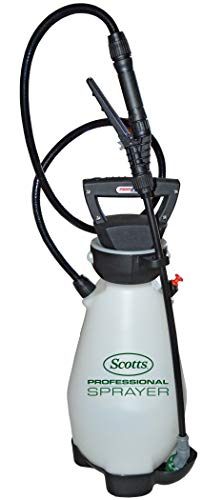
Scotts 190571 2 Gallon Sprayer
Scotts offers a 2 gallon sprayer with a wide fan nozzle that is excellent for applying weed killers over driveways and patios. The tank is made from tough poly, and the pump handle is comfortable. It also includes a pressure relief valve for safety.
Pros
- Effective for broad area spraying
- Pressure relief valve included
- Sturdy tank
Cons
- No pressure gauge
- Nozzle not adjustable to stream
The lineup, side by side
| # | Model | Tank Capacity | Best for | Score | Price |
|---|---|---|---|---|---|
| 1 | Chapin 20000 2 Gallon Sprayer | 2 Gallons | Best Overall for Small Gardens | 9.4 | Check price |
| 2 | Smith Performance Sprayer 190268 | 1 Gallon | Best for Precision Spraying | 9.1 | Check price |
| 3 | VIVOSUN 1 Gallon Sprayer | 1 Gallon | Best Budget Heavy Duty | 8.7 | Check price |
| 4 | Flo Master 2 Gallon Sprayer | 2 Gallons | Best for Continuous Use | 9.0 | Check price |
| 5 | MyLifeUNIT 1.3 Gallon Sprayer | 1.3 Gallons | Best for Portability | 8.4 | Check price |
| 6 | Chapin 61800 1 Gallon Sprayer | 1 Gallon | Best for Reach | 8.8 | Check price |
| 7 | Scotts 190571 2 Gallon Sprayer | 2 Gallons | Best for Weed Control | 8.2 | Check price |
Good to know
What is the best capacity for a small garden sprayer?
A 1 to 2 gallon tank is ideal for small gardens. It holds enough liquid for most tasks without becoming too heavy. Choose a 1 gallon if you have limited storage or need maximum portability.
How do I maintain my garden sprayer?
After each use, empty any remaining liquid, rinse the tank with clean water, and pump some water through the wand to clear the nozzle. Periodically check seals and gaskets for wear. Store the sprayer in a cool, dry place away from direct sunlight.
Can I use bleach or other harsh chemicals in a garden sprayer?
Bleach can damage seals and gaskets in many sprayers. Check the manufacturer’s instructions. Some sprayers are rated for certain chemicals. In general, avoid using bleach unless the product specifically states it is safe.
Why is my sprayer losing pressure?
Pressure loss can happen due to a faulty pump, a loose hose connection, or a worn gasket. Inspect all parts for damage. Tighten any loose fittings. Replace seals if they appear cracked or deformed.
What is the difference between a compression sprayer and a backpack sprayer?
Compression sprayers are handheld or wheeled units where you pump to pressurize the tank. Backpack sprayers are worn on your back and often have a pump lever. For small gardens, compression sprayers are more common and easier to store.
Are brass nozzles better than plastic ones?
Brass nozzles are more durable and resist corrosion from chemicals. They also provide a more consistent spray pattern. Plastic nozzles are lighter and cheaper but may wear faster. For heavy duty use, brass is preferable.
Can I use a garden sprayer for applying fertilizer?
Yes, many sprayers are designed for fertilizers, pesticides, and herbicides. Be sure to clean the sprayer thoroughly after each use to prevent chemical buildup and clogging.
How do I choose between a wand and a spray gun?
A wand gives you reach and precision, ideal for targeting specific plants. A spray gun offers a wider spray and is easier for covering large areas. For small gardens, a wand is often more useful. Some models come with both.
Is a pressure gauge necessary?
A pressure gauge helps you maintain consistent pressure, which results in even application. Without it, you may over-pressurize, risking damage, or under-pressurize, leading to poor coverage. It is a useful feature but not essential.
What safety precautions should I take when using a garden sprayer?
Always wear protective clothing, gloves, and eye protection when handling chemicals. Do not over-pressurize the tank. Release pressure before opening the lid. Keep the sprayer away from children and pets. Follow the chemical manufacturer’s instructions.
The verdict
For most small gardens, the Chapin 20000 offers the best balance of durability, capacity, and ease of use. If you need to spray tight spots or reach high plants, consider the Chapin 61800 with its longer wand. Budget-conscious gardeners will find the VIVOSUN 1 Gallon an excellent value without sacrificing much in quality.
Sierra Daniels
Sierra's background is in landscape design and nursery retail. She focuses on lawn and garden equipment, outdoor furniture and gear durability, weighing published specs against how materials actually hold up outside.


