Rugged Rucksacks for Serious Treks
For most backpackers, the Osprey Atmos AG 65 is the top heavy duty choice because it combines a robust frame with excellent ventilation and a comfortable fit. It handles heavy loads well, but it comes at a premium price and is not fully waterproof.
A heavy duty backpack is essential for multi day treks where you carry gear that can push 40 pounds or more. The right pack supports your back, distributes weight efficiently, and survives rough terrain.
This roundup highlights backpacks that owners report as sturdy and reliable. We focused on models with strong internal frames, abrasion resistant fabrics, and comfortable harnesses.
The best picks, ranked

Osprey Atmos AG 65
The Atmos AG 65 is a favorite among thru hikers for its AntiGravity suspension that hugs the back and transfers weight to the hips. It offers a 65 liter capacity and a breathable mesh backpanel.
Pros
- Excellent ventilation
- Custom fit via adjustable torso
- Durable construction
Cons
- Pricey
- Not fully waterproof

Gregory Baltoro 75
The Baltoro 75 is built for extended expeditions with a beefy suspension that handles heavy weights. It includes a removable daypack and multiple access points.
Pros
- Great load capacity
- Comfortable hip belt
- Versatile access
Cons
- Heavy
- Can be too large for some

Deuter Aircontact Lite 65+10
Deuter’s Aircontact system keeps the pack off your back to reduce sweating. The 65+10 liter capacity allows extra expansion for bulky gear.
Pros
- Superior airflow
- Expandable capacity
- Sturdy build
Cons
- Less hip belt padding
- No integrated rain cover
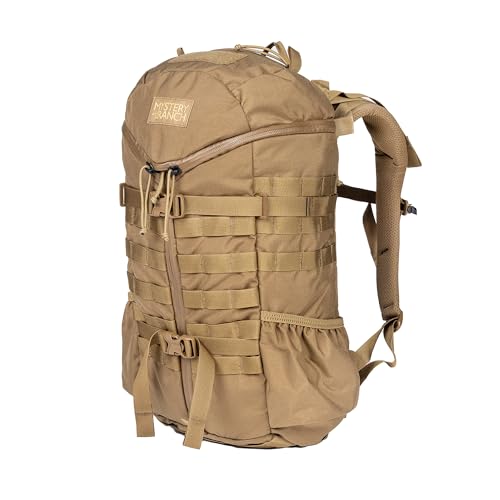
Mystery Ranch Glacier 71
Made in the USA with bombproof fabric, the Glacier 71 is designed for serious mountain use. The three zip design offers full access to contents.
Pros
- Near indestructible
- Easy access
- Excellent load control
Cons
- Very heavy
- Expensive
Arc’teryx Bora 65
The Bora 65 features a heat moldable hip belt and a hybrid frame that follows body movement. It is a premium pack for demanding hikes.
Pros
- Superb fit
- High quality materials
- Smooth carry
Cons
- Very costly
- Limited pockets
REI Co-op Traverse 70
The Traverse 70 offers a comfortable suspension and thoughtful organization at a reasonable price. It includes a rain cover and stowable hip belt pockets.
Pros
- Great price
- Includes rain cover
- Comfortable for moderate loads
Cons
- Not as rugged as others
- Suspension may struggle above 50 lbs

Granite Gear Blaze 60
The Blaze 60 uses a lightweight but strong frame and fabric, making it ideal for fast hikers who still need to carry heavy loads.
Pros
- Lightweight
- Carries heavy loads well
- Removable frame
Cons
- Less durable fabric
- Minimal padding
How they compare
| # | Model | Capacity | Best for | Score | Price |
|---|---|---|---|---|---|
| 1 | Osprey Atmos AG 65 | 65 L | Balanced comfort and load support | 9.4 | Check price |
| 2 | Gregory Baltoro 75 | 75 L | Heavy loads and extra storage | 9.1 | Check price |
| 3 | Deuter Aircontact Lite 65+10 | 65+10 L | Back ventilation and stability | 8.9 | Check price |
| 4 | Mystery Ranch Glacier 71 | 71 L | Extreme durability | 9.0 | Check price |
| 5 | Arc’teryx Bora 65 | 65 L | Technical terrain and comfort | 8.8 | Check price |
| 6 | REI Co-op Traverse 70 | 70 L | Value and functionality | 8.7 | Check price |
| 7 | Granite Gear Blaze 60 | 60 L | Ultralight heavy duty | 8.5 | Check price |
Before you buy
Good to know
What is considered a heavy duty backpacking backpack?
A heavy duty backpack is designed to carry loads over 40 pounds reliably. It typically features a robust frame, durable fabrics, and a comfortable suspension system to handle rugged conditions.
How many liters do I need for a week long backpacking trip?
For a week long trip, a capacity of 65 to 75 liters is common. This allows room for food, extra clothing, and a bear canister if required.
Are heavy duty backpacks necessarily heavier?
Often yes, because they use stronger materials and more substantial frames, but some models like the Granite Gear Blaze balance weight and durability.
What is the difference between internal and external frames?
Internal frames are inside the pack and offer a streamlined silhouette and better balance. External frames are outside, providing more ventilation and higher load capacity, but they are less common now.
How should a heavy duty backpack fit?
The hip belt should rest on your hip bones, with about 80% of the weight on your hips. The shoulder straps should not dig into your shoulders, and the pack should not pull backward.
Can I use a heavy duty backpack for day hikes?
Yes, but it may be overkill. Day hikes usually require less capacity, and a heavy pack could be cumbersome. However, if you carry climbing gear or photography equipment, it might work.
What materials are best for durability?
Fabrics like CORDURA, ballistic nylon, and ripstop nylon are known for abrasion resistance. Look for denier ratings of 210D or higher for durability.
Do heavy duty backpacks come with rain covers?
Some do, such as the REI Traverse 70. Others do not, like the Deuter Aircontact. You can purchase a separate rain cover or use a pack liner.
How do I clean and maintain my backpack?
Empty the pack, brush off dirt, and wipe with a damp cloth. Use mild soap and water for stains. Never machine wash or dry. Let it air dry away from direct heat.
What is the warranty on these backpacks?
Most brands offer a limited lifetime warranty against manufacturing defects. Check the specific brand’s policy for details.
The verdict
For most backpackers, the Osprey Atmos AG 65 is the best heavy duty choice because it delivers a balanced combination of comfort, weight, and durability. If you need to carry extremely heavy loads or require maximum durability, the Gregory Baltoro 75 or Mystery Ranch Glacier 71 are excellent alternatives, but be prepared for extra weight.
Derek Holt
Derek has a background coaching recreational and amateur athletes and has worked the sales floor at specialty fitness retailers. He focuses on equipment durability, ergonomics and realistic use cases rather than marketing claims.