Choosing a Handheld GPS for Trails Without Cell Signal
Garmin GPSMAP 66i leads for backcountry use with built in satellite messaging and multi constellation tracking. Hikers who skip messaging save money with the Garmin eTrex 32x. Anyone needing hands free navigation while climbing or hunting should pick the wrist mounted Garmin Foretrex 601.
Cell phone signal disappears once a trail climbs into a canyon or thick forest. Garmin’s GPSMAP 66i fills that gap with built in satellite messaging, letting hikers send texts and SOS alerts without a tower nearby. Budget conscious hikers who skip messaging altogether do fine with the simpler eTrex 32x. Climbers and hunters who need both hands free get more mileage from the wrist mounted Foretrex 601.
Battery hours and satellite messaging separate a casual trail companion from gear built for multi day wilderness trips, and spec sheets rarely spell out which matters more. We compared listed battery life, screen technology and satellite constellations across seven models, then checked owner reports on tracking accuracy in real canyons and forest cover.
The top picks, ranked
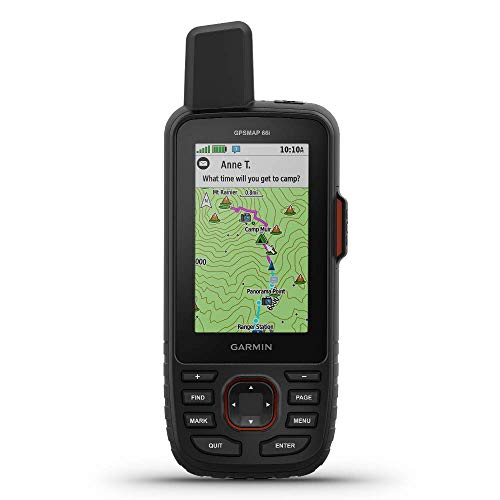
Garmin GPSMAP 66i
Two way satellite messaging comes built into this unit, sending texts and SOS alerts far past cell tower range. A multi constellation receiver locks onto GPS, GLONASS and Galileo signals, speeding up fixes under thick tree cover. Hunters and backcountry hikers report steady tracking through canyons where phones lose signal completely.
Pros
- Satellite messaging sends SOS alerts beyond cell coverage
- Multi constellation receiver speeds up fixes under forest cover
- Preloaded topographic maps come standard
Cons
- Satellite messaging needs a separate subscription plan
- Heavier and bulkier than basic trail GPS units
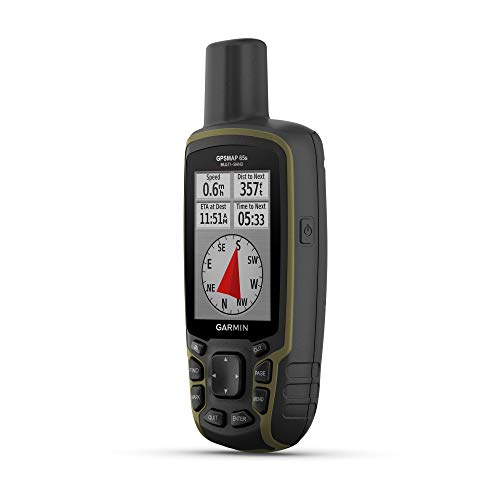
Garmin GPSMAP 65s
A bigger color screen packs in more map detail than compact trail units allow. Barometric altimeter and electronic compass sharpen elevation readings in mountainous terrain. Multi day route planners cite this mapping clarity as the reason they moved up from an entry level model.
Pros
- Larger screen shows more map detail at a glance
- Barometric altimeter improves elevation accuracy
- Touchscreen speeds up on trail route planning
Cons
- Battery life runs shorter than the 66i under continuous tracking
- Touchscreen response lags in cold or wet weather

Garmin eTrex 32x
Physical buttons replace a touchscreen here, trimming cost without dropping core navigation features. A preloaded worldwide basemap gets hikers moving without buying extra map data. First time GPS buyers switching from a phone app often pick this model for its simple menu structure.
Pros
- Costs less than premium mapping units
- Battery life stretches to 25 hours for the price
- Buttons keep working reliably with gloves on
Cons
- Smaller screen limits how much map detail shows at once
- No satellite messaging or SOS feature
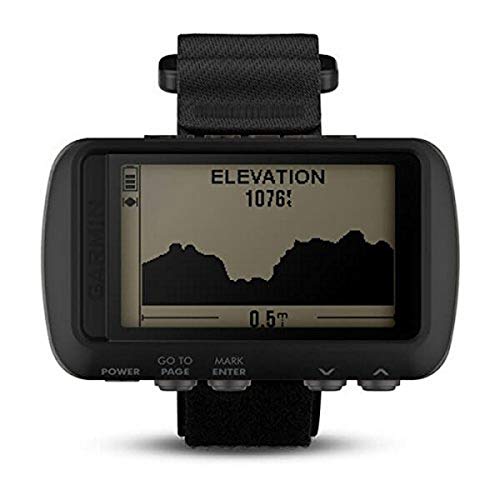
Garmin Foretrex 601
Strapping to the wrist instead of a pocket keeps both hands free for climbing, hunting or tactical tasks. Despite the compact build, it still logs tracks and waypoints like a full sized handheld. Owners who need constant hand use call this the only GPS format that stays practical for their activity.
Pros
- Wrist mount frees both hands during activity
- Battery lasts up to 48 hours in normal mode
- Rugged housing suits tactical and hunting use
Cons
- Monochrome screen skips detailed map display
- Small buttons are harder to work with gloves on

Garmin Montana 700
A 5 inch touchscreen works equally well strapped to a dashboard or carried on a hiking trail. Its larger battery compartment keeps that bigger display running through a full day outdoors. Overlanders often rely on one unit here for both truck navigation and trailhead hikes.
Pros
- Large screen suits both trail and vehicle navigation
- Touchscreen speeds up route entry while moving
- Vehicle mount compatibility adds flexibility
Cons
- Size and weight make backpack carry impractical
- Battery life trails smaller trail specific units

Garmin eTrex SE
Basic waypoint marking and track logging cover what casual hikers actually need from a GPS. Preloaded maps handle general trail navigation without extra downloads or subscriptions. Buyers who want reliable position tracking without extra features consistently choose this over pricier models.
Pros
- Affordable entry point into dedicated GPS
- Battery life reaches 25 hours for casual trail use
- Simple menu suits first time GPS owners
Cons
- Monochrome screen limits map detail
- Skips the color topographic mapping of pricier models
Garmin GPSMAP 64sx
Repeated drops and rough handling in the field barely faze this button operated body. A 3 axis compass and preloaded topographic maps keep navigation working without any cell service. Hunters report the physical buttons outperform a touchscreen once hands turn cold or wet.
Pros
- Physical buttons work reliably in cold or wet conditions
- Rugged housing withstands field drops
- Preloaded topographic maps come included
Cons
- Screen runs smaller than touchscreen competitors
- No satellite messaging capability
How they stack up
| # | Model | Satellite systems | Best for | Score | Price |
|---|---|---|---|---|---|
| 1 | Garmin GPSMAP 66i | GPS, GLONASS, Galileo | Best overall | 9.4 | Check price |
| 2 | Garmin GPSMAP 65s | GPS, GLONASS, Galileo | Best for topographic mapping | 9.1 | Check price |
| 3 | Garmin eTrex 32x | GPS, GLONASS | Best budget | 8.8 | Check price |
| 4 | Garmin Foretrex 601 | GPS, GLONASS | Best for hands-free tracking | 8.6 | Check price |
| 5 | Garmin Montana 700 | GPS, GLONASS, Galileo | Best for vehicle and trail navigation | 8.4 | Check price |
| 6 | Garmin eTrex SE | GPS, GLONASS | Best value | 8.2 | Check price |
| 7 | Garmin GPSMAP 64sx | GPS, GLONASS | Best for hunting and backcountry navigation | 8.0 | Check price |
How to pick the right one
What to look for in a handheld GPS Satellite system support, battery life and screen type drive real world backcountry performance. Multi constellation receivers covering GPS, GLONASS and Galileo lock a position faster under tree cover or in canyons. Battery hours decide how many days pass before a recharge becomes necessary. Screen type, color touchscreen versus monochrome buttons, affects both map detail and cold weather reliability.
Do you need satellite messaging? Two way satellite messaging on the GPSMAP 66i and 65s sends texts and SOS alerts from anywhere with sky visibility, no cell tower required. That capability requires a separate subscription on top of the device price. Day hikers near populated trails often skip it, while multi day backcountry trips gain a real safety margin from having it.
Buttons versus touchscreen controls Physical buttons keep working in gloves or freezing rain, which is why hunters and cold weather users lean toward models like the GPSMAP 64sx. Touchscreens speed up map panning and route entry but can lag once wet or extremely cold. Match the control type to the weather you actually navigate in most often.
Which handheld GPS fits your activity Hikers and backpackers get the most from color mapping units like the GPSMAP 66i or 65s. Hunters carrying gear while needing hands free operation do better with the wrist mounted Foretrex 601. Overlanders wanting one device for both truck and trail navigation should look at the larger screen Montana 700.
Questions worth asking
Is a handheld GPS better than a phone app for hiking?
Yes, for backcountry use, since dedicated units keep tracking without cell signal and last far longer on battery. Phone apps drain a charge fast while running GPS continuously and stop working once signal disappears.
Do handheld GPS units need a subscription?
Only models with satellite messaging, such as the GPSMAP 66i and 65s, require a subscription for two way texting and SOS features. Standard mapping and tracking on other units works without any ongoing plan.
How long does a handheld GPS battery last?
Battery life ranges from roughly 16 hours on touchscreen mapping units to more than 40 hours on simpler button models like the Foretrex 601. Screen brightness and satellite messaging use both affect the real number.
Can a handheld GPS work without cell service?
Yes, GPS satellites function independently of cell towers, which is the main reason hikers carry one over a phone. Only satellite messaging features need a separate satellite subscription instead of cell coverage.
What is the difference between GPS, GLONASS and Galileo?
These are separate satellite constellations a receiver can combine for faster, more accurate fixes, especially under tree cover or in canyons. Devices supporting more than one system typically lock position quicker than GPS only units.
Which handheld GPS works best for hunting?
The GPSMAP 64sx suits hunters well since its physical buttons keep working in cold or wet conditions and its body withstands field use. The wrist mounted Foretrex 601 is a strong alternative for hands free tracking while carrying gear.
Should I choose buttons or a touchscreen on a handheld GPS?
Touchscreens speed up map navigation and route planning in mild weather, while buttons stay reliable in freezing temperatures, rain or gloves. Base the choice on the conditions you hike or hunt in most often.
How accurate is a handheld GPS compared to a smartphone?
Units with multi constellation support and a barometric altimeter generally hold more consistent elevation and position accuracy under tree cover than a phone, which relies on a less specialized antenna.
Is a handheld GPS worth it for day hikes near town?
Day hikes on well marked, populated trails rarely need satellite messaging or advanced mapping, so a budget model like the eTrex SE covers the basics. Save the premium features for multi day or remote backcountry trips.
The bottom line
Multi day backcountry trips justify the Garmin GPSMAP 66i, since satellite messaging adds a real safety margin beyond mapping alone. Hikers who never leave cell coverage and want to save money should pick the Garmin eTrex 32x instead. Anyone needing both hands free while hunting or climbing gets more use from the wrist mounted Garmin Foretrex 601.
Sierra Daniels
Sierra's background is in landscape design and nursery retail. She focuses on lawn and garden equipment, outdoor furniture and gear durability, weighing published specs against how materials actually hold up outside.
You might also need

Minikey Solar Bird Feeder Camera: Is the AI Bird ID Worth the Subscription?

Refresh Sports Glider Ray Pool Torpedo: A Good Pick for Underwater Pool Play?

Sweet Home Collection Patio Chair Cushions: Enough Padding for Daily Outdoor Use?
